
Canine Arthritis Resource
Description, Diagnosis, Causes
Research, Resources & Education
This website is based on research and is NOT created to diagnose your pet.
Each animal is an individual and may exhibit symptoms in a different way.
It is advised that you ALWAYS CHECK WITH YOUR VETERINARIAN for a proper diagnosis and treatment plan.
Table of Contents
Canine Arthritis
Arthritis is a general medical term used to describe a disorder in which the smooth cartilagenous layer that lines a joint is lost, resulting in bone grinding on bone during joint movemen
There are several different types of arthritis, but the most common kind in dogs and cats is osteoarthritis (OA), also called degenerative joint disease (DJD), which develops secondary to:
Joint instability
Hip dysplasia
CCL rupture
Joint incongruity
Elbow dysplasia
Osteochondrosis/ OCD
(CARE)
The most common signs dog owners may notice include:
- Difficulty getting up and down
- Walking stiffly
- Lameness in one or more legs
- Reluctance to go up and down steps
- Reluctance to jump up or down (onto/off furniture or into/out of a vehicle)
- Reluctance to be touched on some parts of the body
- Loss of stamina or being slower on walks or cutting them short
- Unexpected aggression toward other dogs or humans
(VCA Animal Hospital)
What Dogs are at Risk?
Some Dogs that are at Risk due to Genetic Predisposition
EXAMPLES of BREEDS
Size / Group, Breeds and Risk Factors – Canine Bible
Size / Group, Breeds and Risk Factors – Canine Bible
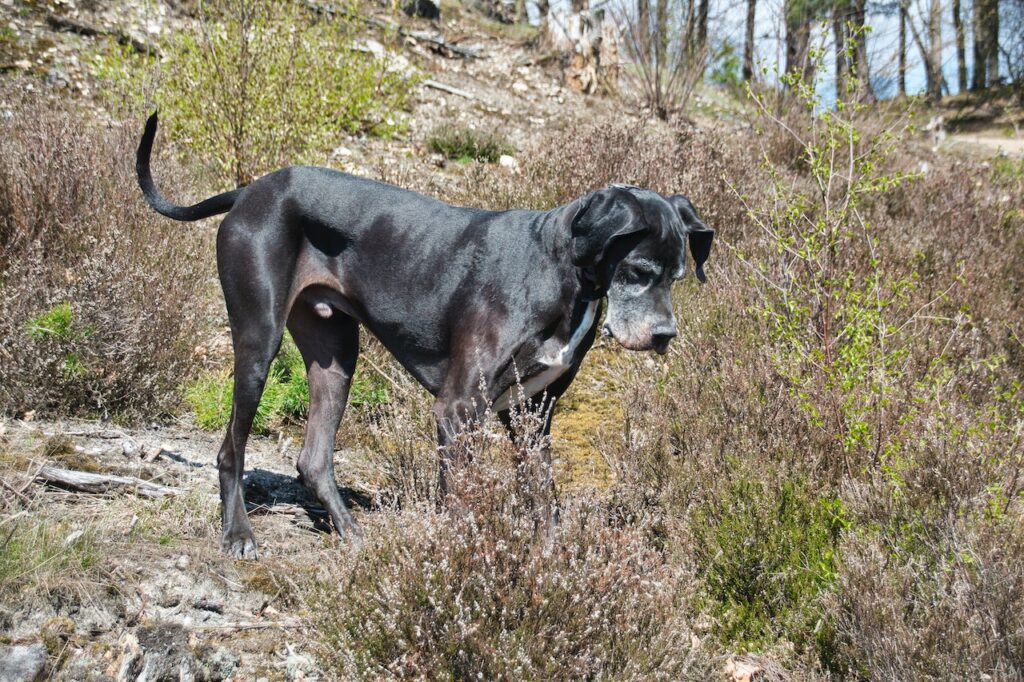
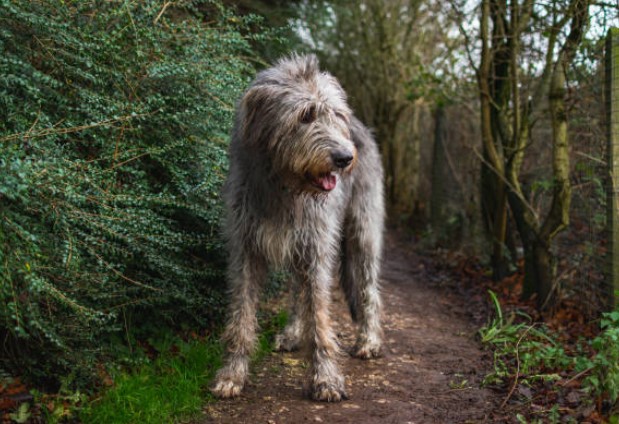
Giant Breeds: Rapid growth, very high body weight, and joint stress → earlier-onset osteoarthritis.
Examples:
- Great Dane
- Saint Bernard
- Irish Wolfhound
- Mastiffs
- Newfoundland
Large Breeds: Higher rates of hip/elbow dysplasia and CCL (ACL) injuries leading to secondary arthritis.
Examples:
- German Shepherd
- Labrador Retriever
- Golden Retriever
- Rottweiler
- Bernese Mountain Dog
- Alaskan Malamute
Medium Breeds: Conformation-related joint stress (e.g., limb angulation, short legs) and predisposition to dysplasia.
Examples:
- Boxer
- Basset Hound
- American Bulldog
- Staffordshire Bull Terrier
- English Bulldog
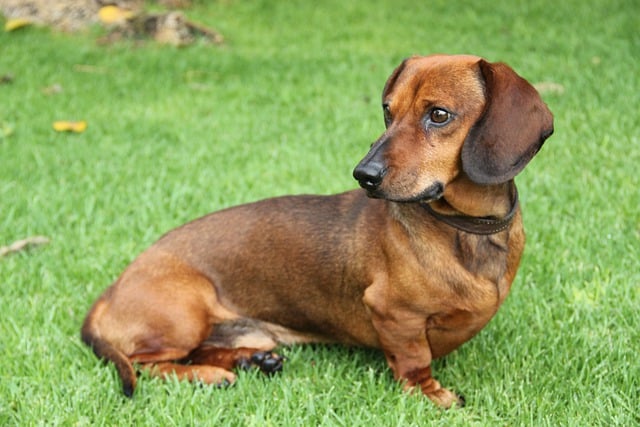
Small Breeds: Back issues (e.g., IVDD in Dachshunds) and chronic patella/limb alignment problems → degenerative joints.
Examples:
- Dachshund
- Pug
- Cocker Spaniel
- Shih Tzu
- Pekingese
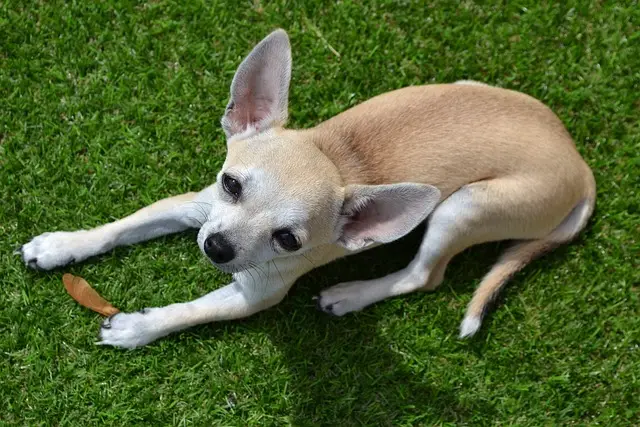
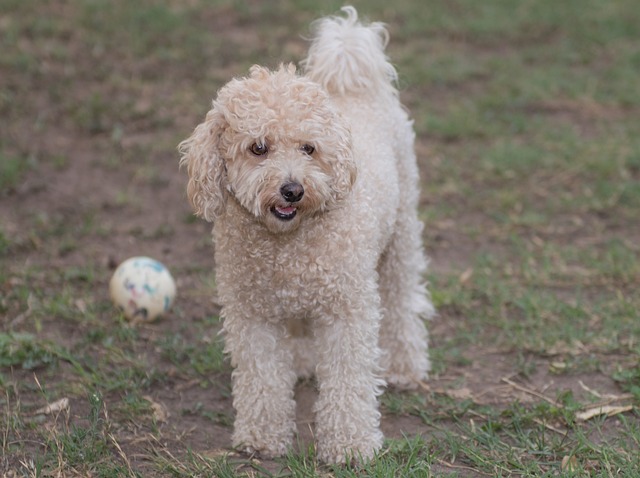
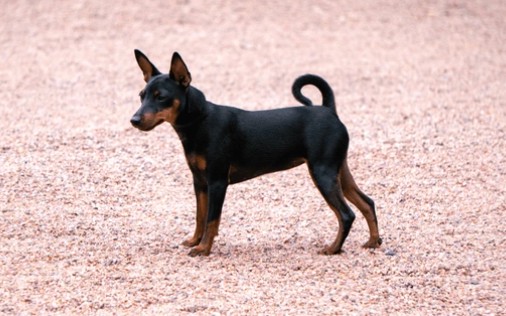
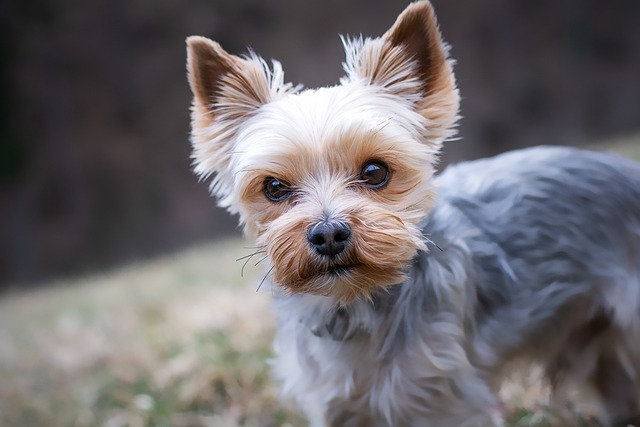
Toy Breeds: Patellar luxation and joint instability can progress to osteoarthritis over time.
Examples:
- Chihuahua
- Yorkshire Terrier
- Toy Poodle
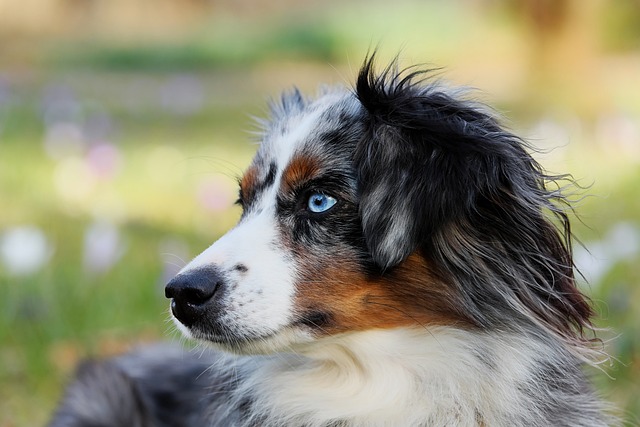
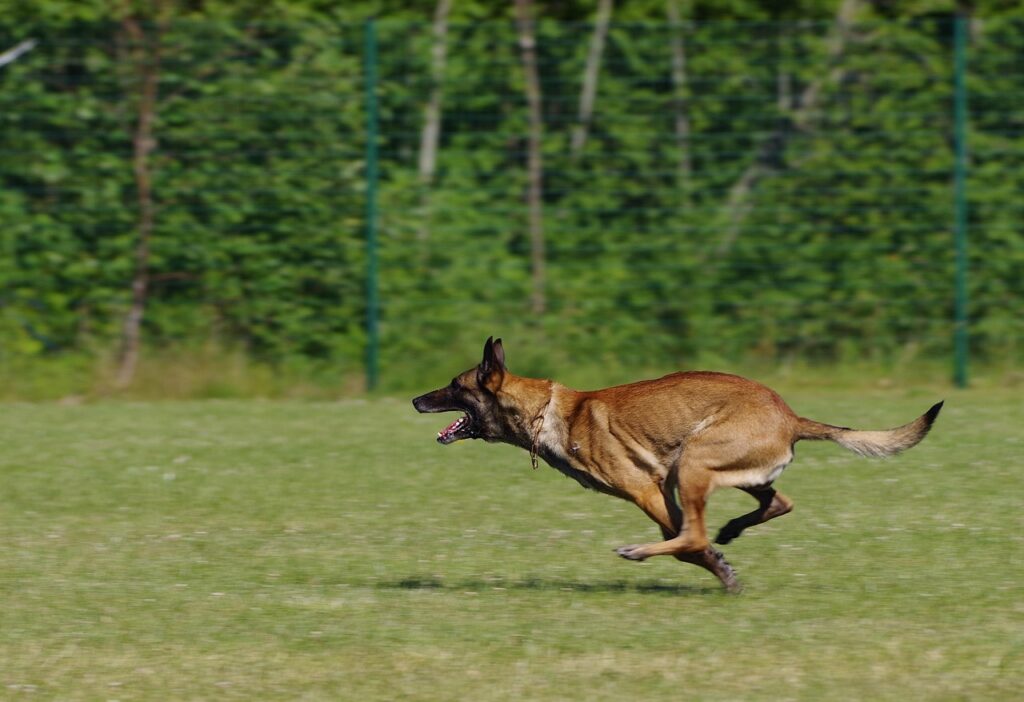
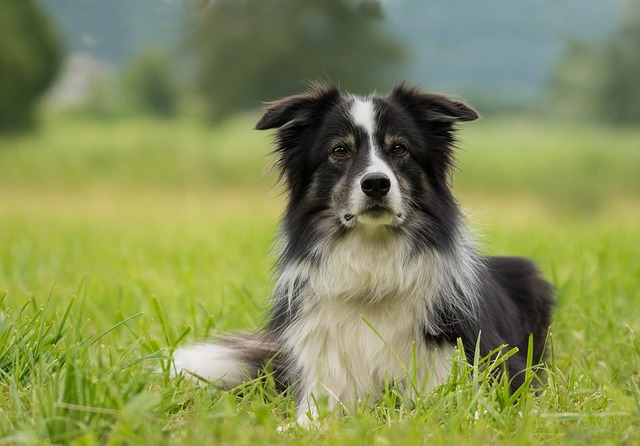
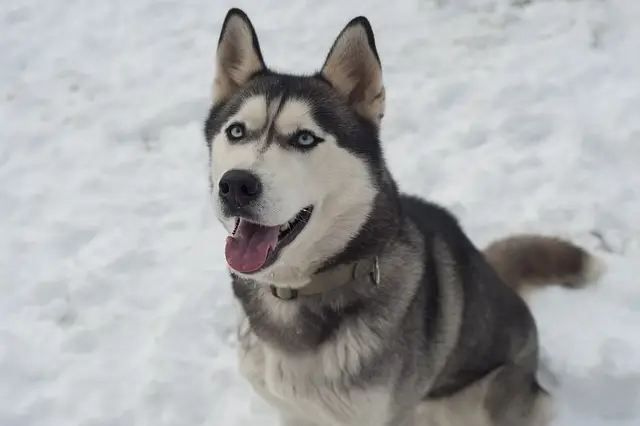
Working & Herding: High-impact activity and repetitive motion → wear-and-tear, cruciate injuries, early OA.
Examples:
- Border Collie
- Australian Shepherd
- Belgian Malinois
- Siberian Husky
Giant Breeds
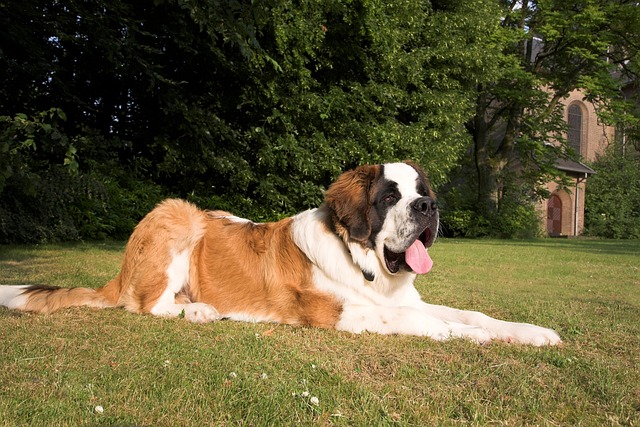
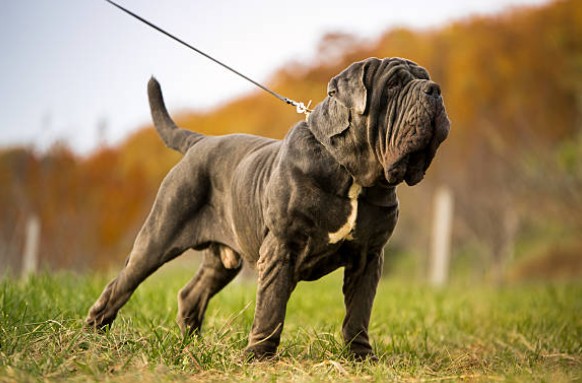
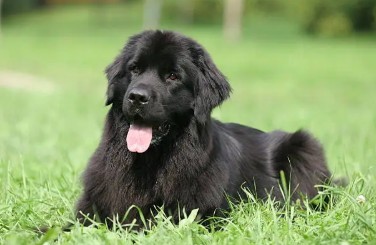
Large Breeds
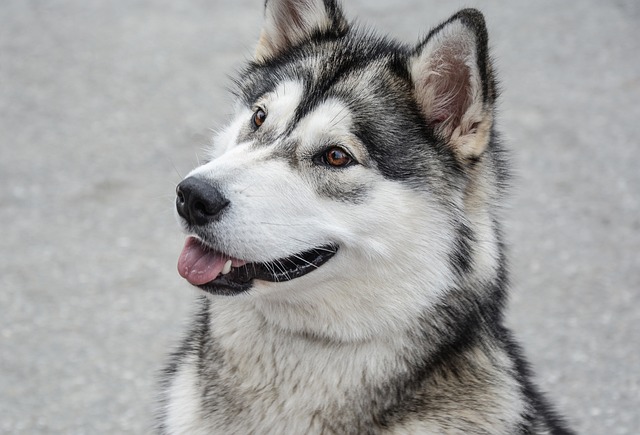


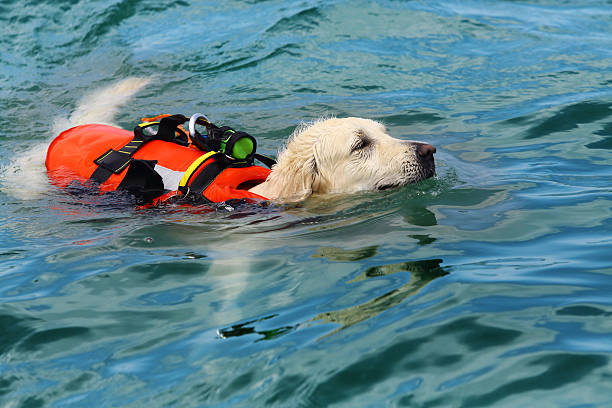

Medium Breeds
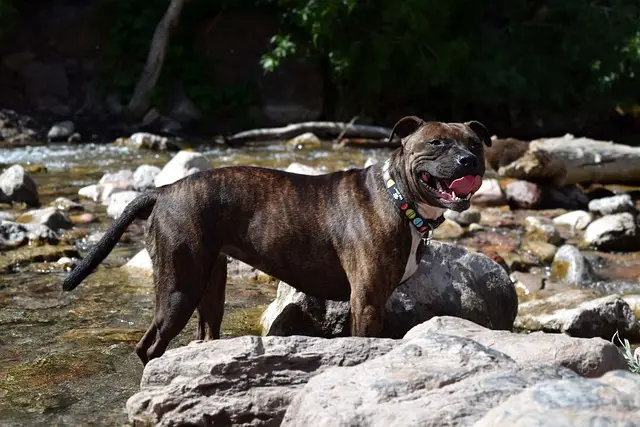
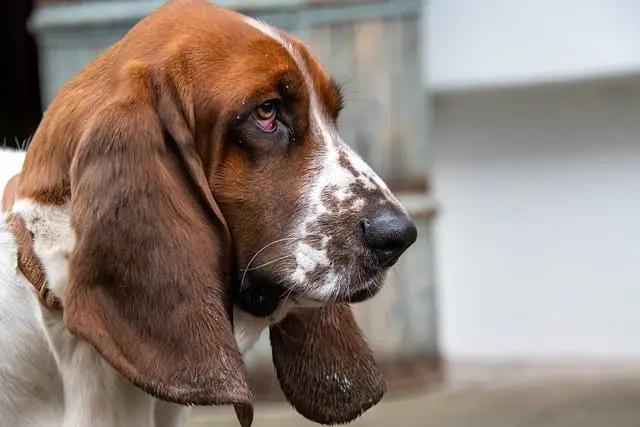

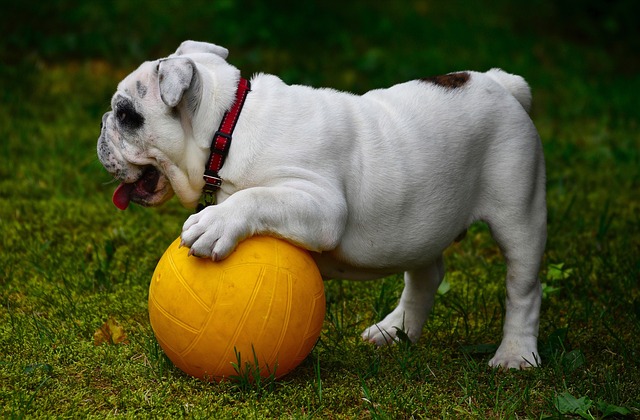
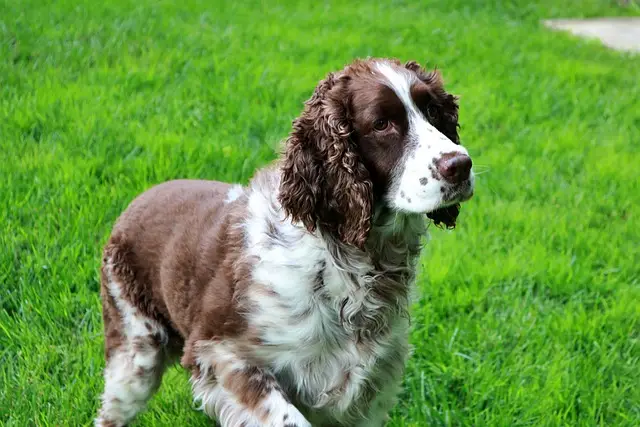
Small Breeds


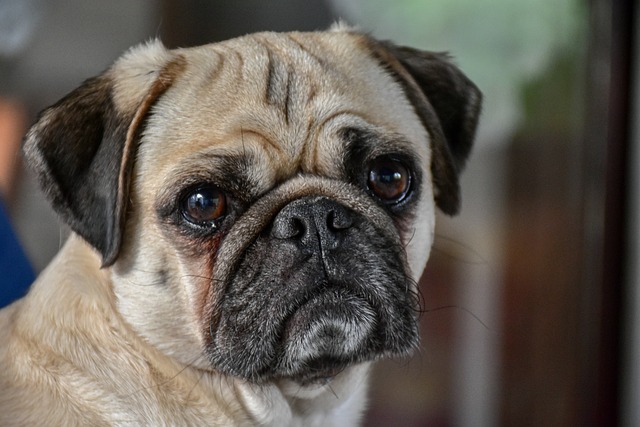

Toy Breeds
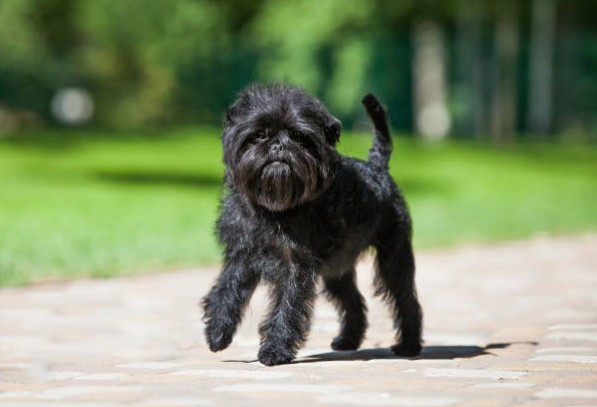
Working / Herding Breeds
What is Arthritis?
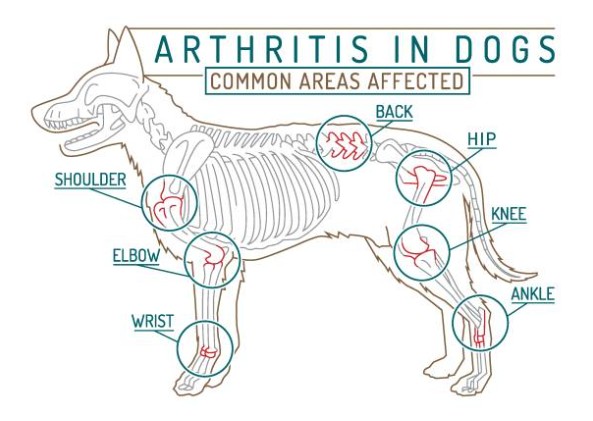
What is Arthritis? (The Vets)
What is Arthritis? The Vets
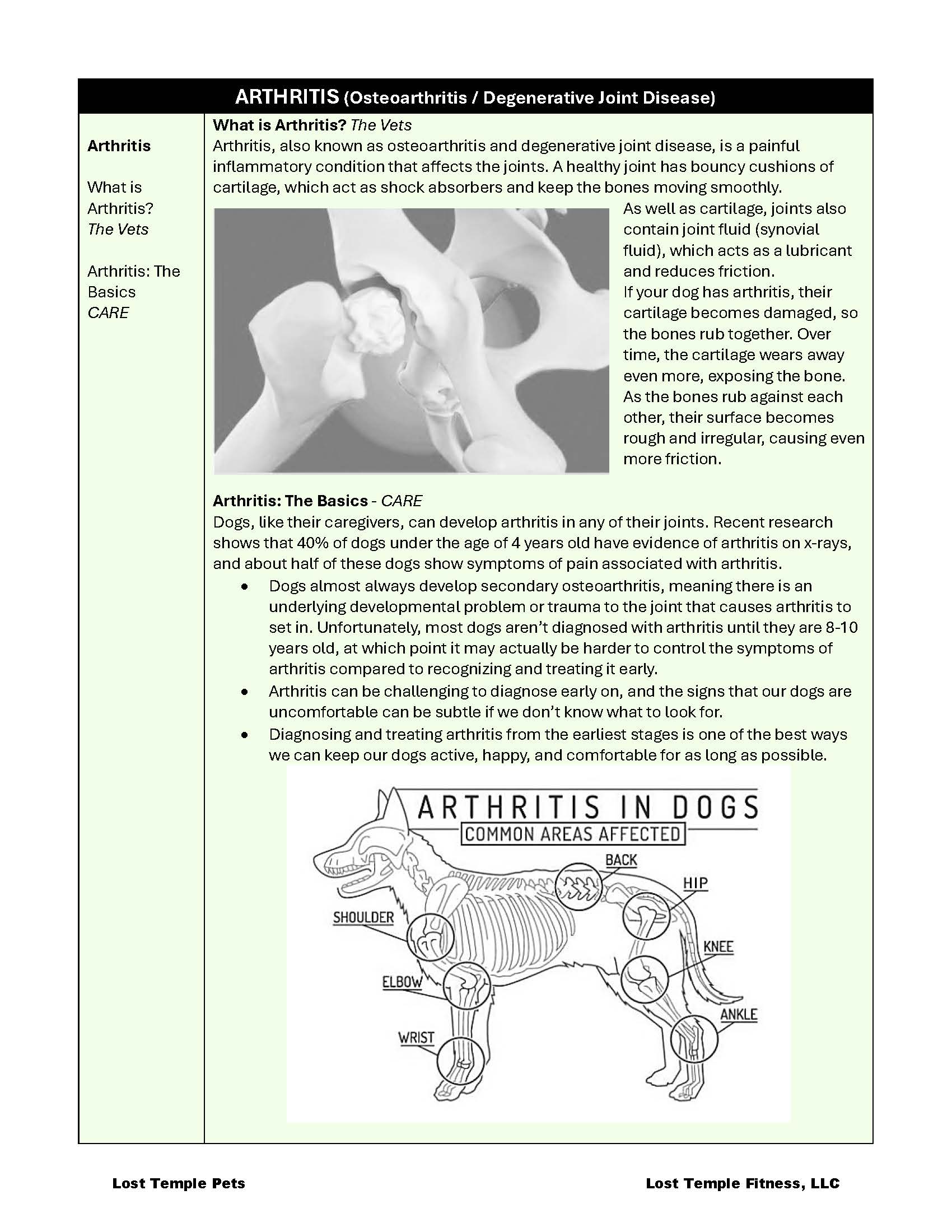
Arthritis, also known as osteoarthritis and degenerative joint disease, is a painful inflammatory condition that affects the joints.
- A healthy joint has bouncy cushions of cartilage, which act as shock absorbers and keep the bones moving smoothly.
- As well as cartilage, joints also contain joint fluid (synovial fluid), which acts as a lubricant and reduces friction.
- If your dog has arthritis, their cartilage becomes damaged, so the bones rub together. Over time, the cartilage wears away even more, exposing the bone. As the bones rub against each other, their surface becomes rough and irregular, causing even more friction.
Arthritis: The Basics (CARE)
Arthritis: The Basics – CARE
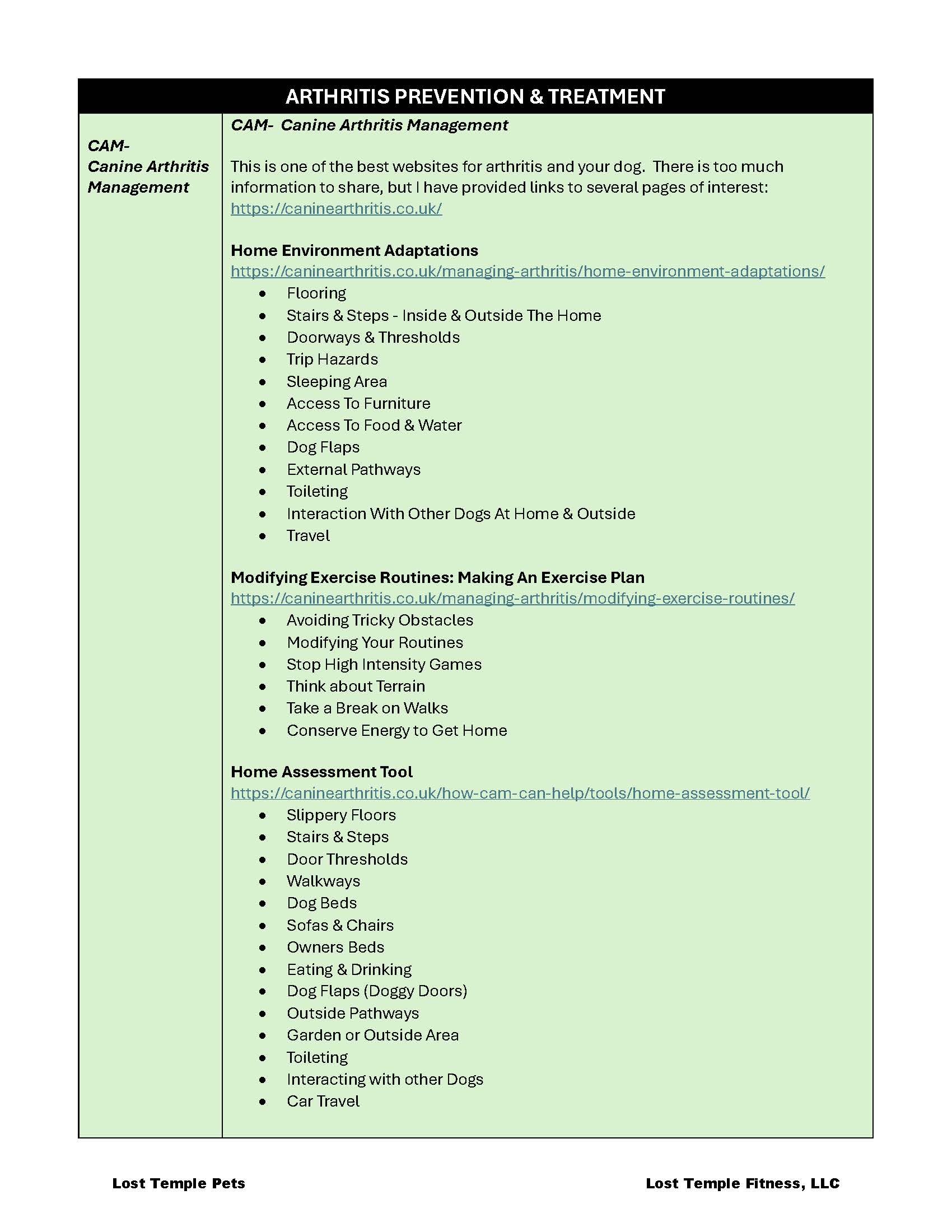
Dogs, like their caregivers, can develop arthritis in any of their joints. Recent research shows that 40% of dogs under the age of 4 years old have evidence of arthritis on x-rays, and about half of these dogs show symptoms of pain associated with arthritis.
- Dogs almost always develop secondary osteoarthritis, meaning there is an underlying developmental problem or trauma to the joint that causes arthritis to set in. Unfortunately, most dogs aren’t diagnosed with arthritis until they are 8-10 years old, at which point it may actually be harder to control the symptoms of arthritis compared to recognizing and treating it early.
- Arthritis can be challenging to diagnose early on, and the signs that our dogs are uncomfortable can be subtle if we don’t know what to look for.
- Diagnosing and treating arthritis from the earliest stages is one of the best ways we can keep our dogs active, happy, and comfortable for as long as possible.
Arthritis Videos
YouTube Videos that help explain Arthritis in Dogs
Disclaimer:
This is for research only and Lost Temple Pets does not endorse any video presented on this website.
It is advised that you ALWAYS CHECK WITH YOUR VETERINARIAN for a proper diagnosis and treatment plan.
Playlist
Causes / Risks
Understanding Canine Arthritis (The Pet Vet)
Understanding Canine Arthritis – The Pet Vet
While any dog can develop arthritis, certain factors increase the risk.
- Large breeds like German Shepherds, Labrador Retrievers, and Golden Retrievers tend to be more susceptible due to the increased stress on their joints.
- Dogs with previous joint injuries, congenital joint issues like hip dysplasia, or those carrying excess weight are also at higher risk for developing arthritis earlier in life.
- Early detection and intervention are crucial for managing arthritis in dogs. If you notice your dog is limping or showing signs of discomfort, it’s important to consult with your veterinarian for proper diagnosis and treatment planning.
Causes - PDSA
Causes – PDSA
Normal wear and tear
- Normal wear and tear can lead to arthritis later in life.
Genetics
- Unfortunately, some breeds of dog are born with an increased risk of developing arthritis:
- Labradors (hips and elbows)
- Springer Spaniels (hips and elbows)
- German Shepherds (spine, hips, elbows)
- Golden Retrievers (hips)
- Rottweilers (hips and elbows)
- Bernese mountain dogs (hips and elbows)
- Screening schemes are in place for some of these breeds to try to improve their genetics, for example those operated by the British Veterinary Association and Kennel Club. (Also see OFA)
Abnormally shaped bones or cartilage
- If your dog has abnormally shaped bones or abnormal cartilage such as hip dysplasia or elbow dysplasia, there is a high chance they will develop arthritis.
Injuries
- Injuries often lead to arthritis later in life.
Symptoms
Stages of Arthritis (Canine Bible)
Stages of Arthritis – Canine Bible
- Early stage: Subtle mobility changes.
- Moderate stage: Noticeable stiffness and pain, activity limitations.
- Advanced stage: Severe pain, loss of mobility, secondary complications.
Symptoms (PDSA)
Symptoms – PDSA
Symptoms of arthritis in dogs include:
- Stiffness (especially after rest or after walks)
- Limping/lameness
- Narrowing of the hips and back end (weak muscles in the back legs)
- Slowing down on walks
- Being quiet, grumpy or sleeping more
- Low energy (lethargy)
- Saliva-stained fur around painful joints
- Reluctance to jump or climb stairs
- Enlarged or swollen joints.
Symptoms of Arthritis in Dogs (The Vets)
Symptoms of Arthritis in Dogs – The Vets
Recognizing the symptoms of arthritis in dogs is crucial for early detection and intervention. Here are common signs that may indicate your dog is experiencing arthritis:
- Difficulty moving or stiffness: Your dog may have trouble getting up or moving after resting.
- Limping or favoring limbs: Arthritic dogs may limp or avoid putting weight on certain limbs.
- Reluctance to exercise or play: If your dog shows less interest in physical activities they used to enjoy, it could be a sign of arthritis.
- Noticeable pain or discomfort: Whining, whimpering, or yelping when touched or moved can indicate pain. Restlessness and changes in appetite may also be present.
- Swelling or warmth around joints: Inflammation can cause swelling and increased warmth in the affected joints.
Of course, every dog is different, and there may be other signs of joint pain that some dogs might show.
Diagnoses & Testing
Diagnosing Arthritis in Dogs (The Vets)
Diagnosing Arthritis in Dogs – The Vets
Diagnosing arthritis in dogs involves a veterinary examination, medical history review, and diagnostic tests.
Here’s what the process typically looks like:
- Veterinary Examination: The vet will carefully examine your dog, checking their joints, movement, and overall condition for signs of arthritis.
- Medical History: You’ll provide information about your dog’s symptoms and any changes in their behavior or activity levels.
- Imaging Tests: X-rays are commonly used to see inside the joints and detect arthritis-related changes.
- Sometimes, ultrasound or MRI scans may be needed.
- Joint Fluid Analysis: A small sample of joint fluid may be taken to check for inflammation and rule out other conditions.
- Blood Tests: Pet blood tests help assess your dog’s overall health and identify any underlying issues.
Once arthritis is diagnosed, your vet will discuss treatment options to help manage pain and improve your dog’s well-being.
Treatment
Treatment for Dogs with Arthritis (The Vets)
Treatment for Dogs with Arthritis – The Vets
Treating arthritis in dogs involves a multifaceted approach. Your veterinarian may recommend the following:
- Veterinary-Prescribed Medications: To relieve pain and reduce inflammation, such as nonsteroidal anti-inflammatory drugs (NSAIDs) or disease-modifying osteoarthritis drugs (DMOADs).
- Physical Therapy & Rehabilitation Exercises: To improve joint mobility and strengthen surrounding muscles.
- Joint Supplements: Supplements containing glucosamine and chondroitin, which support joint health and reduce symptoms.
- Assistive Devices: Devices like ramps or stairs to help dogs with limited mobility move around comfortably.
Medications & Supplements
Veterinary-Prescribed Medications (The Pet Vet)
Veterinary-Prescribed Medications – The Pet Vet
When it comes to managing arthritis in dogs, veterinary-prescribed medications often form the cornerstone of treatment. These medications can significantly improve your dog’s comfort level and quality of life by addressing pain and inflammation directly.
Your veterinarian will typically recommend a treatment plan based on your dog’s specific needs, the severity of their arthritis, and any other health conditions they may have. Let’s explore the most commonly prescribed medications for canine arthritis.
NSAIDs for Dogs
Non-steroidal anti-inflammatory drugs (NSAIDs) specifically formulated for dogs are usually the first choice for treating arthritis pain. Unlike human NSAIDs, which can be toxic to dogs, veterinary NSAIDs are designed to be safer for canine physiology.
- These medications work by inhibiting enzymes called cyclooxygenases (COX) that produce prostaglandins—compounds that promote inflammation, pain, and fever. By reducing prostaglandin production, NSAIDs help decrease inflammation and block pain signals.
Popular veterinary NSAIDs include:
- Carprofen (Rimadyl, Novox): Often considered the gold standard for canine arthritis pain
- Meloxicam (Metacam): Effective with convenient once-daily dosing
- Deracoxib (Deramaxx): Designed specifically for osteoarthritis pain
- Firocoxib (Previcox): Offers targeted COX-2 inhibition for fewer side effects
While these medications can be highly effective, they aren’t without risks. Your veterinarian will likely recommend baseline blood work before starting NSAIDs and periodic monitoring during treatment to check liver and kidney function. This precaution is especially important for senior dogs or those with existing organ issues.
- Potential side effects include gastrointestinal issues (vomiting, diarrhea, ulcers), kidney or liver problems, and in rare cases, more serious complications. If your dog experiences any concerning symptoms while taking NSAIDs, contact your veterinarian immediately.
Corticosteroids
Corticosteroids like prednisone and dexamethasone are powerful anti-inflammatory medications that can provide rapid relief from arthritis pain and inflammation. However, their use for arthritis has declined with the development of safer NSAIDs.
- These medications mimic the effects of cortisol, a natural hormone produced by the adrenal glands. They reduce inflammation by suppressing the immune system’s response and inhibiting the production of inflammatory substances.
Corticosteroids are now typically reserved for:
- Acute flare-ups that aren’t responding to NSAIDs
- Dogs who cannot tolerate NSAIDs due to other health issues
- Short-term relief while transitioning to other medications
While effective, long-term corticosteroid use carries significant risks including increased thirst and urination, weight gain, muscle weakness, diabetes, and suppression of the immune system. When prescribed, they’re usually used at the lowest effective dose for the shortest possible duration.
- According to research from the American Veterinary Medical Association, corticosteroids should generally be considered a second-line treatment for arthritis in dogs, used only when other options have failed or aren’t appropriate.
Gabapentin
Originally developed as an anti-seizure medication, gabapentin has become increasingly popular for managing chronic pain in dogs, particularly when there’s a neuropathic component to their arthritis pain.
- Gabapentin works by inhibiting certain calcium channels in the nervous system, which helps to decrease the transmission of pain signals. It’s especially valuable for dogs whose pain isn’t adequately controlled by NSAIDs alone.
- This medication is often used in combination with other pain relievers for a multimodal approach to pain management.
- Side Effects: When starting gabapentin, some dogs may experience mild sedation or wobbliness, but these effects typically diminish after a few days as they adjust to the medication.
- One of the advantages of gabapentin is its relatively good safety profile. It’s metabolized primarily by the kidneys rather than the liver, making it potentially suitable for dogs with liver issues who can’t tolerate NSAIDs. However, dosage adjustments may be necessary for dogs with kidney problems.
- Your veterinarian will determine the appropriate dosage based on your dog’s weight, overall health, and pain level. Gabapentin is typically given two to three times daily because of its relatively short duration of action.
Amantadine
Amantadine is another medication that’s found new purpose in veterinary pain management. Originally developed as an antiviral medication, it’s now recognized for its ability to help manage chronic pain by working as an NMDA receptor antagonist.
- For dogs with arthritis, amantadine helps prevent “wind-up pain” – a phenomenon where the nervous system becomes increasingly sensitive to pain over time. By blocking this pain amplification, amantadine can make other pain medications more effective.
- This medication is rarely used alone but serves as an excellent addition to a comprehensive pain management protocol when other medications aren’t providing sufficient relief. It’s particularly helpful for dogs whose pain has become resistant to traditional treatments.
- Side effects are typically mild and may include agitation, diarrhea, or gas. The dosage is customized based on your dog’s size and specific needs, and regular follow-ups with your veterinarian will help ensure the medication is working effectively.
- Research published in the Journal of Veterinary Pharmacology and Therapeutics suggests that amantadine can significantly enhance pain control when used as part of a multimodal approach to managing chronic pain in dogs.
Over-the-Counter Options (The Pet Vet)
Over-the-Counter Options – The Pet Vet
While prescription medications often provide the most immediate relief for dogs suffering from arthritis, several over-the-counter options can play a valuable role in a comprehensive management plan. These supplements can help support joint health, reduce inflammation, and potentially decrease the need for higher doses of prescription medications.
Joint Supplements (Glucosamine/Chondroitin)
Joint supplements containing glucosamine and chondroitin are among the most popular over-the-counter options for managing canine arthritis. These compounds are natural components of cartilage that may help support joint health in multiple ways.
- Glucosamine provides the building blocks needed for cartilage repair and synthesis, while chondroitin helps attract water to the cartilage, enhancing its shock-absorbing capabilities. Together, these ingredients may:
- Support cartilage repair and regeneration
- Reduce inflammation in the joints
- Improve joint fluid production and quality
- Slow the progression of cartilage breakdown
- Many commercial products also include additional ingredients like MSM (methylsulfonylmethane), which may have anti-inflammatory properties, and manganese, which supports cartilage formation. Popular products include Cosequin, Dasuquin, and Glycoflex, which combine these ingredients in various formulations.
- One important thing to understand about joint supplements is that they don’t provide immediate pain relief like prescription medications. Instead, they work gradually over time, with most dogs showing improvement after 4-6 weeks of consistent use.
- These supplements are generally very safe, making them appropriate for long-term use in most dogs. They can be used alone for dogs with mild arthritis or in combination with prescription medications for more severe cases.
Omega-3 Fatty Acids
Omega-3 fatty acids, particularly EPA (eicosapentaenoic acid) and DHA (docosahexaenoic acid), have natural anti-inflammatory properties that can benefit dogs with arthritis. These essential fatty acids, typically derived from fish oil, work by modulating the body’s inflammatory response.
When incorporated into your dog’s diet, omega-3s can help:
- Reduce joint inflammation
- Decrease the production of inflammatory compounds
- Potentially reduce the need for NSAIDs
- Support overall joint health.
For optimal results, look for products specifically formulated for dogs that provide concentrated EPA and DHA.
- Generic fish oil supplements may not contain sufficient levels of these active compounds to provide therapeutic benefits for arthritis.
- The dosage typically depends on your dog’s weight, with higher doses often needed for therapeutic effects compared to general health maintenance. Your veterinarian can recommend an appropriate dosage based on your dog’s specific needs.
- As with joint supplements, omega-3s work gradually over time rather than providing immediate relief. Consistency is key—you’ll typically need to supplement for 4-12 weeks before seeing maximum benefits. Many veterinarians recommend omega-3 fatty acids as part of a multimodal approach to managing canine arthritis.
CBD Products
Cannabidiol (CBD) products have gained significant attention in recent years for their potential to help manage pain and inflammation in dogs with arthritis. While research is still emerging, preliminary studies suggest CBD may offer benefits for arthritic dogs.
- CBD is a non-psychoactive compound derived from hemp plants that interacts with the endocannabinoid system—a regulatory system found in mammals that helps maintain balance in various bodily functions, including pain perception and inflammatory responses.
For dogs with arthritis, CBD may:
- Reduce pain through interaction with the endocannabinoid system
- Decrease inflammation in arthritic joints
- Improve mobility and quality of life
- Help with secondary issues like anxiety or sleep disturbances related to chronic pain
When choosing CBD products for your dog, quality matters tremendously. Look for products that:
- Are specifically formulated for pets
- Provide certificate of analysis showing content and purity
- Use CO2 extraction methods
- Contain full-spectrum or broad-spectrum CBD
- Are free from harmful additives or contaminants
The legal status of CBD products varies by location, and the FDA has not officially approved CBD for use in animals. Always consult with your veterinarian before starting CBD treatment, as they can provide guidance on dosing and potential interactions with other medications.
A 2018 study from Cornell University found that CBD oil administered twice daily helped increase comfort and activity in dogs with osteoarthritis, suggesting it may be a useful addition to arthritis management protocols.
Prevention
Prevention Strategy, Why it Helps and How to Do It (Canine Bible)
Prevention Strategy, Why it Helps and How to Do It – Canine Bible
Maintain a Healthy Weight
- Extra weight stresses joints and accelerates cartilage breakdown.
- Feed portion-controlled meals, avoid overfeeding, use low-calorie treats.
Balanced, Joint-Supportive Diet
- Nutrients protect cartilage, reduce inflammation, and support bone health.
- Add omega-3s, glucosamine, chondroitin, collagen; ensure calcium, phosphorus, vitamin D.
Regular, Low-Impact Exercise
- Keeps joints lubricated and strengthens supporting muscles.
- Walks, swimming, light fetch. Avoid hard surfaces and repetitive jumping.
Joint Supplements (Early Introduction)
- Slow joint degeneration, especially in predisposed breeds.
- Use glucosamine, chondroitin, omega-3s, turmeric; start early for at-risk breeds.
Prevent & Manage Injuries
- Injuries increase arthritis risk if untreated.
- Use ramps, trim nails, treat ligament injuries promptly.
Regular Vet Screenings
- Early detection allows intervention before arthritis worsens.
- Schedule exams, X-rays, or genetic screenings for at-risk breeds.
Provide Orthopedic Support at Home
- Reduces daily joint strain and prevents slips/falls.
- Use orthopedic beds, non-slip rugs, raised food/water bowls.
References
References
Canine Bible
Arthritis in Dogs: Symptoms, Types, Causes, Signs & Prevention
By Canine Bible August 26, 2025
Arthritis in Dogs: Symptoms, Types, Causes, Signs & Prevention
CARE – Canine Arthritis Resources and Education – Arthritis: The Basics
What does arthritis mean for my dog?
PDSA – The People’s Dispensary for Sick Animal – Arthritis in Dogs
https://www.pdsa.org.uk/pet-help-and-advice/pet-health-hub/conditions/arthritis-in-dogs
The Pet Vet
Arthritis in Dogs: 7 Best Medications for Pain Relief
Written by The Pet Vet Team on April 4, 2025. Posted in Symptoms in Pets.
The Vets – Arthritis in Dogs: Causes, Symptoms, & Treatment
Written by The Vets (formerly BetterVet)
Medically reviewed by Laura Fontana, DVM, Last Updated on 01 / 20 / 25
https://thevets.com/resources/pet-diseases/arthritis-in-dogs
VCA Animal Hospital
Arthritis in Dogs
By Ryan Llera, BSc, DVM; Robin Downing, DVM, DAAPM, DACVSMR, CVPP, CRPP
Arthritis/Breed Chart
| Breed | ORTHOPEDIC | Elbow Displasia | Hip Displasia | Legg-Calve-Perthes | Patella Luxation |
|---|---|---|---|---|---|
| Affenpinscher | Hip Displasia Legg-Calve-Perthes Patella Luxation | Hip Displasia | Legg-Calve-Perthes | Patella Luxation | |
| Afghan Hound | Hip Displasia | Hip Displasia | |||
| Airedale Terrier | Elbow Displasia Hip Displasia | Elbow Displasia | Hip Displasia | ||
| Akita (American) | Elbow Displasia Hip Displasia Patella Luxation | Elbow Displasia | Hip Displasia | Patella Luxation | |
| Alaskan Malamute | Elbow Displasia Hip Displasia | Elbow Displasia | Hip Displasia | ||
| American Eskimo, Toy and Standard | Elbow Displasia Hip Displasia Legg-Calve-Perthes Patella Luxation | Elbow Displasia | Hip Displasia | Legg-Calve-Perthes | Patella Luxation |
| American Foxhound | |||||
| American Pitt Bull Terrier | |||||
| American Staffordshire Terrier | Elbow Displasia Hip Displasia | Elbow Displasia | Hip Displasia | ||
| American Water Spaniel | Hip Displasia | Hip Displasia | |||
| Anatolian Shepherd Dog | Elbow Displasia Hip Displasia | Elbow Displasia | Hip Displasia | ||
| Australian Cattle Dog | Elbow Displasia Hip Displasia Patella Luxation | Elbow Displasia | Hip Displasia | Patella Luxation | |
| Australian Shepherd | Elbow Displasia Hip Displasia | Elbow Displasia | Hip Displasia | ||
| Australian Terrier | |||||
| Basenji | Hip Displasia | Hip Displasia | |||
| Basset Hound | |||||
| Beagle | Elbow Displasia Hip Displasia Patella Luxation | Elbow Displasia | Hip Displasia | Patella Luxation | |
| Bearded Collie | Hip Displasia | Hip Displasia | |||
| Beauceron | Elbow Displasia Hip Displasia | Elbow Displasia | Hip Displasia | ||
| Bedlington Terrier | |||||
| Belgian Groenendael | Elbow Displasia Hip Displasia | Elbow Displasia | Hip Displasia | ||
| Belgian Malinois | Elbow Displasia Hip Displasia | Elbow Displasia | Hip Displasia | ||
| Belgian Tervuren | Elbow Displasia Hip Displasia | Elbow Displasia | Hip Displasia | ||
| Bernese Mountain Dog | Elbow Displasia Hip Displasia | Elbow Displasia | Hip Displasia | ||
| Bichon Frise’ | Hip Displasia Legg-Calve-Perthes Patella Luxation | Hip Displasia | Legg-Calve-Perthes | Patella Luxation | |
| Black and Tan Coonhound | Elbow Displasia Hip Displasia | Elbow Displasia | Hip Displasia | ||
| Black Russian Terrier | Elbow Displasia Hip Displasia | Elbow Displasia | Hip Displasia | ||
| Bloodhound | Elbow Displasia Hip Displasia Patella Luxation | Elbow Displasia | Hip Displasia | Patella Luxation | |
| Boerboel | Hip Displasia | Hip Displasia | |||
| Border Collie | Elbow Displasia Hip Displasia | Elbow Displasia | Hip Displasia | ||
| Border Terrier | Hip Displasia Patella Luxation | Hip Displasia | Patella Luxation | ||
| Borzoi | Elbow Displasia Hip Displasia | Elbow Displasia | Hip Displasia | ||
| Boston Terrier | Patella Luxation | Patella Luxation | |||
| Bouvier des Flandres | Elbow Displasia Hip Displasia | Elbow Displasia | Hip Displasia | ||
| Boxer | Hip Displasia | Hip Displasia | |||
| Briard | Elbow Displasia Hip Displasia | Elbow Displasia | Hip Displasia | ||
| Brittany | Elbow Displasia Hip Displasia | Elbow Displasia | Hip Displasia | ||
| Brussels Griffon | Hip Displasia Patella Luxation | Hip Displasia | Patella Luxation | ||
| Bull Terrier | Patella Luxation | Patella Luxation | |||
| Bull Terrier, Miniature | |||||
| Bulldog, English | Elbow Displasia Hip Displasia Patella Luxation | Elbow Displasia | Hip Displasia | Patella Luxation | |
| Bullmastiff | Elbow Displasia Hip Displasia | Elbow Displasia | Hip Displasia | ||
| Cairn Terrier | Patella Luxation | Patella Luxation | |||
| Canaan Dog | Elbow Displasia Hip Displasia Patella Luxation | Elbow Displasia | Hip Displasia | Patella Luxation | |
| Cane Corso (Italian Mastiff) | Elbow Displasia Hip Displasia Patella Luxation | Elbow Displasia | Hip Displasia | Patella Luxation | |
| Caucasian Shepherd | Elbow Displasia Hip Displasia Patella Luxation | Elbow Displasia | Hip Displasia | Patella Luxation | |
| Cavalier King Charles Spaniel | Hip Displasia Patella Luxation | Hip Displasia | Patella Luxation | ||
| Chesapeake Bay Retriever | Elbow Displasia Hip Displasia | Elbow Displasia | Hip Displasia | ||
| Chihuahua | Patella Luxation | Patella Luxation | |||
| Chinese Shar-Pei | Elbow Displasia Hip Displasia Patellar Luxation | Elbow Displasia | Hip Displasia | Patella Luxation | |
| Chinese Crested | Elbow Displasia Hip Displasia Legg-Calve-Perthes | Elbow Displasia | Hip Displasia | Legg-Calve-Perthes | |
| Chow Chow | Elbow Displasia Hip Displasia Patella Luxation | Elbow Displasia | Hip Displasia | Patella Luxation | |
| Clumber Spaniel | Elbow Displasia Hip Displasia | Elbow Displasia | Hip Displasia | ||
| Cocker Spaniel (American) | Hip Displasia | Hip Displasia | |||
| Collie, Rough / Smooth Coat | |||||
| Curly Coated Retriever | Elbow Displasia Hip Displasia | Elbow Displasia | Hip Displasia | ||
| Dachshund | Patella Luxation | Patella Luxation | |||
| Dalmation | Hip Displasia | Hip Displasia | |||
| Dandie Dinmont Terrier | |||||
| Doberman Pinscher | Hip Displasia | Hip Displasia | |||
| Dogo Argentino | Hip Displasia | Hip Displasia | |||
| Dogue de Bordeaux (Mastiff) | Elbow Displasia Hip Displasia Patella Luxation | Elbow Displasia | Hip Displasia | Patella Luxation | |
| English Cocker Spaniel | Hip Displasia Patella Luxation | Hip Displasia | Patella Luxation | ||
| English Foxhound | |||||
| English Setter | Elbow Displasia Hip Displasia | Elbow Displasia | Hip Displasia | ||
| English Springer Spaniel | Elbow Displasia Hip Displasia | Elbow Displasia | Hip Displasia | ||
| English Toy Spaniel AKA King Charles Spaniel | Patella Luxation | Patella Luxation | |||
| Field Spaniel | Elbow Displasia Hip Displasia Patella Luxation | Elbow Displasia | Hip Displasia | Patella Luxation | |
| Finnish Spitz | |||||
| Flat-Coated Retriever | Hip Displasia Patellar Luxation | Hip Displasia | Patella Luxation | ||
| Fox Terrier, Smooth | Patella Luxation | Patella Luxation | |||
| Fox Terrier, Toy | Legg-Calve-Perthes Patellar Luxation | Legg-Calve-Perthes | Patella Luxation | ||
| Fox Terrier, Wire | Patella Luxation | Patella Luxation | |||
| French Bulldog | Elbow Displasia Hip Displasia Patella Luxation | Elbow Displasia | Hip Displasia | Patella Luxation | |
| German Pinscher | Hip Displasia | Hip Displasia | |||
| German Shepherd | Elbow Displasia Hip Displasia | Elbow Displasia | Hip Displasia | ||
| German Shorthaired Pointer | Elbow Displasia Hip Displasia | Elbow Displasia | Hip Displasia | ||
| German Wirehaired Pointer | Elbow Displasia Hip Displasia | Elbow Displasia | Hip Displasia | ||
| Glen of Imaal Terrier | Elbow Displasia Hip Displasia | Elbow Displasia | Hip Displasia | ||
| Golden Retriever | Elbow Displasia Hip Displasia | Elbow Displasia | Hip Displasia | ||
| Gordon Setter | Elbow Displasia Hip Displasia | Elbow Displasia | Hip Displasia | ||
| Great Dane | Hip Displasia | Hip Displasia | |||
| Great Pyrenees | Elbow Displasia Hip Displasia Patella Luxation | Elbow Displasia | Hip Displasia | Patella Luxation | |
| Greater Swiss Mountain Dog | Elbow Displasia Hip Displasia Shoulder Dysplasia | Elbow Displasia | Hip Displasia | ||
| Greyhound | |||||
| Harrier | Hip Displasia | Hip Displasia | |||
| Havanese | Hip Displasia Patellar Luxation | Hip Displasia | Patella Luxation | ||
| Ibizan Hound | Hip Displasia | Hip Displasia | |||
| Irish Setter | Hip Displasia | Hip Displasia | |||
| Irish Terrier | |||||
| Irish Water Spaniel | Elbow Displasia Hip Displasia | Elbow Displasia | Hip Displasia | ||
| Irish Wolfhound | Elbow Displasia Hip Displasia | Elbow Displasia | Hip Displasia | ||
| Italian Greyhound | Hip Displasia Legg-Calve-Perthes Patellar Luxation | Hip Displasia | Legg-Calve-Perthes | Patella Luxation | |
| Japanese Chin | Patella Luxation | Patella Luxation | |||
| Keeshond | Elbow Displasia Hip Displasia Patellar Luxation | Elbow Displasia | Hip Displasia | Patella Luxation | |
| Kerry Blue Terrier | Hip Displasia | Hip Displasia | |||
| Komondor | Hip Displasia | Hip Displasia | |||
| Kuvasz | Elbow Displasia Hip Displasia Patella Luxation | Elbow Displasia | Hip Displasia | Patella Luxation | |
| Labrador Retriever | Elbow Displasia Hip Displasia | Elbow Displasia | Hip Displasia | ||
| Lakeland Terrier | |||||
| Lhasa Apso | |||||
| Lowchen | Hip Displasia Patella Luxation | Hip Displasia | Patella Luxation | ||
| Maltese | Patella Luxation | Patella Luxation | |||
| Manchester Terrier Toy | Legg-Calve-Perthes Patella Luxation | Legg-Calve-Perthes | Patella Luxation | ||
| Manchester Terrier, Standard | Legg-Calve-Perthes Patella Luxation | Legg-Calve-Perthes | Patella Luxation | ||
| Mastiff | Elbow Displasia Hip Displasia Patella Luxation | Elbow Displasia | Hip Displasia | Patella Luxation | |
| Miniature Pincher | Legg-Calve-Perthes Patella Luxation | Legg-Calve-Perthes | Patella Luxation | ||
| Neapolitan Mastiff | Elbow Displasia Hip Displasia | Elbow Displasia | Hip Displasia | ||
| Newfoundland | Elbow Displasia Hip Displasia | Elbow Displasia | Hip Displasia | ||
| Norfolk Terrier | Hip Displasia Patellar Luxation | Hip Displasia | Patella Luxation | ||
| Norwegian Buhund | Hip Displasia | Hip Displasia | |||
| Norwegian Elkhound | Hip Displasia Patellar Luxation | Hip Displasia | Patella Luxation | ||
| Norwich Terrier | Hip Displasia Patellar Luxation | Hip Displasia | Patella Luxation | ||
| Nova Scotia Duck Tolling Retriever | Hip Displasia | Hip Displasia | |||
| Old English Sheepdog | Hip Displasia | Hip Displasia | |||
| Otterhound | Elbow Displasia Hip Displasia | Elbow Displasia | Hip Displasia | ||
| Papillon | Patellar Luxation | Patella Luxation | |||
| Parsons Russell Terrier | Patellar Luxation | Patella Luxation | |||
| Pekingese | |||||
| Petit Basset Griffon Vendeen (PBGV) | |||||
| Pharaoh Hound | Hip Displasia Patellar Luxation | Hip Displasia | Patella Luxation | ||
| Plott Hound | |||||
| Pointer | Elbow Displasia Hip Displasia | Elbow Displasia | Hip Displasia | ||
| Polish Lowland Sheepdog | Hip Displasia | Hip Displasia | |||
| Pomeranian | Hip Displasia Legg-Calve-Perthes Patella Luxation | Hip Displasia | Legg-Calve-Perthes | Patella Luxation | |
| Poodle, Miniature | Hip Displasia Patellar Luxation | Hip Displasia | Patella Luxation | ||
| Poodle, Standard | Hip Displasia | Hip Displasia | |||
| Poodle, Toy | Patella Luxation | Patella Luxation | |||
| Portuguese Water Dog | Hip Displasia Patella Luxation | Hip Displasia | Patella Luxation | ||
| Presa Canario | Hip Displasia | Hip Displasia | |||
| Pug | Elbow Displasia Hip Displasia Patella Luxation | Elbow Displasia | Hip Displasia | Patella Luxation | |
| Puli | Elbow Displasia Hip Displasia Patella Luxation | Elbow Displasia | Hip Displasia | Patella Luxation | |
| Pyrenean Shepherd | Elbow Displasia Hip Displasia | Elbow Displasia | Hip Displasia | ||
| Rhodesian Ridgeback | Elbow Displasia Hip Displasia | Elbow Displasia | Hip Displasia | ||
| Rottweiler | Elbow Displasia Hip Displasia | Elbow Displasia | Hip Displasia | ||
| Saluki | Hip Displasia | Hip Displasia | |||
| Samoyed | Hip Displasia | Hip Displasia | |||
| Schipperke | Hip Displasia Patella Luxation | Hip Displasia | Patella Luxation | ||
| Schnauzer, Miniature | |||||
| Schnauzer, Giant | Elbow Displasia Hip Displasia | Elbow Displasia | Hip Displasia | ||
| Schnauzer, Standard | Hip Displasia | Hip Displasia | |||
| Scottish Deerhound | Hip Displasia | Hip Displasia | |||
| Scottish Terrier | |||||
| Sealyham Terrier | |||||
| Shetland Sheepdog | Hip Displasia Patella Luxation | Hip Displasia | Patella Luxation | ||
| Shiba Inu | Hip Displasia Patella Luxation | Hip Displasia | Patella Luxation | ||
| Shih Tzu | Hip Displasia Patella Luxation | Hip Displasia | |||
| Siberian Husky | Elbow Displasia Hip Displasia | Elbow Displasia | Hip Displasia | ||
| Silky Terrier | Patellar Luxation | Patella Luxation | |||
| Skye Terrier | |||||
| Soft-Coated Wheaten Terrier | Elbow Displasia Hip Displasia | Elbow Displasia | Hip Displasia | ||
| Spinone Italiano | Elbow Displasia Hip Displasia | Elbow Displasia | Hip Displasia | ||
| St. Bernard | Elbow Displasia Hip Displasia | Elbow Displasia | Hip Displasia | ||
| Staffordshire Bull Terrier | Elbow Displasia Hip Displasia Patella Luxation | Elbow Displasia | Hip Displasia | Patella Luxation | |
| Sussex Spaniel | |||||
| Swedish Vallhund | Hip Displasia | Hip Displasia | |||
| Tibetan Mastiff | Elbow Displasia Hip Displasia | Elbow Displasia | Hip Displasia | ||
| Tibetan Spaniel | Patellar Luxation | Patella Luxation | |||
| Tibetan Terrier | Elbow Displasia Hip Displasia Patellar Luxation | Elbow Displasia | Hip Displasia | Patella Luxation | |
| Tosa | Hip Displasia | Hip Displasia | |||
| Vizsla | Elbow Displasia Hip Displasia Patellar Luxation | Elbow Displasia | Hip Displasia | Patella Luxation | |
| Weimaraner | Elbow Displasia Hip Displasia | Elbow Displasia | Hip Displasia | ||
| Welsh Corgi, Cardigan | Hip Displasia | Hip Displasia | |||
| Welsh Corgi, Pembroke | Hip Displasia | Hip Displasia | |||
| Welsh Springer Spaniel | Elbow Displasia Hip Displasia | Elbow Displasia | Hip Displasia | ||
| Welsh Terrier | |||||
| West Highland White Terrier | Hip Displasia Patellar Luxation | Hip Displasia | Patella Luxation | ||
| Whippet | Hip Displasia | Hip Displasia | |||
| Wirehaired Pointing Griffon | Elbow Displasia Hip Displasia | Elbow Displasia | Hip Displasia | ||
| Yorkshire Terrier | Hip Displasia Legg-Calve-Perthes Patellar Luxation | Hip Displasia | Legg-Calve-Perthes | Patella Luxation |