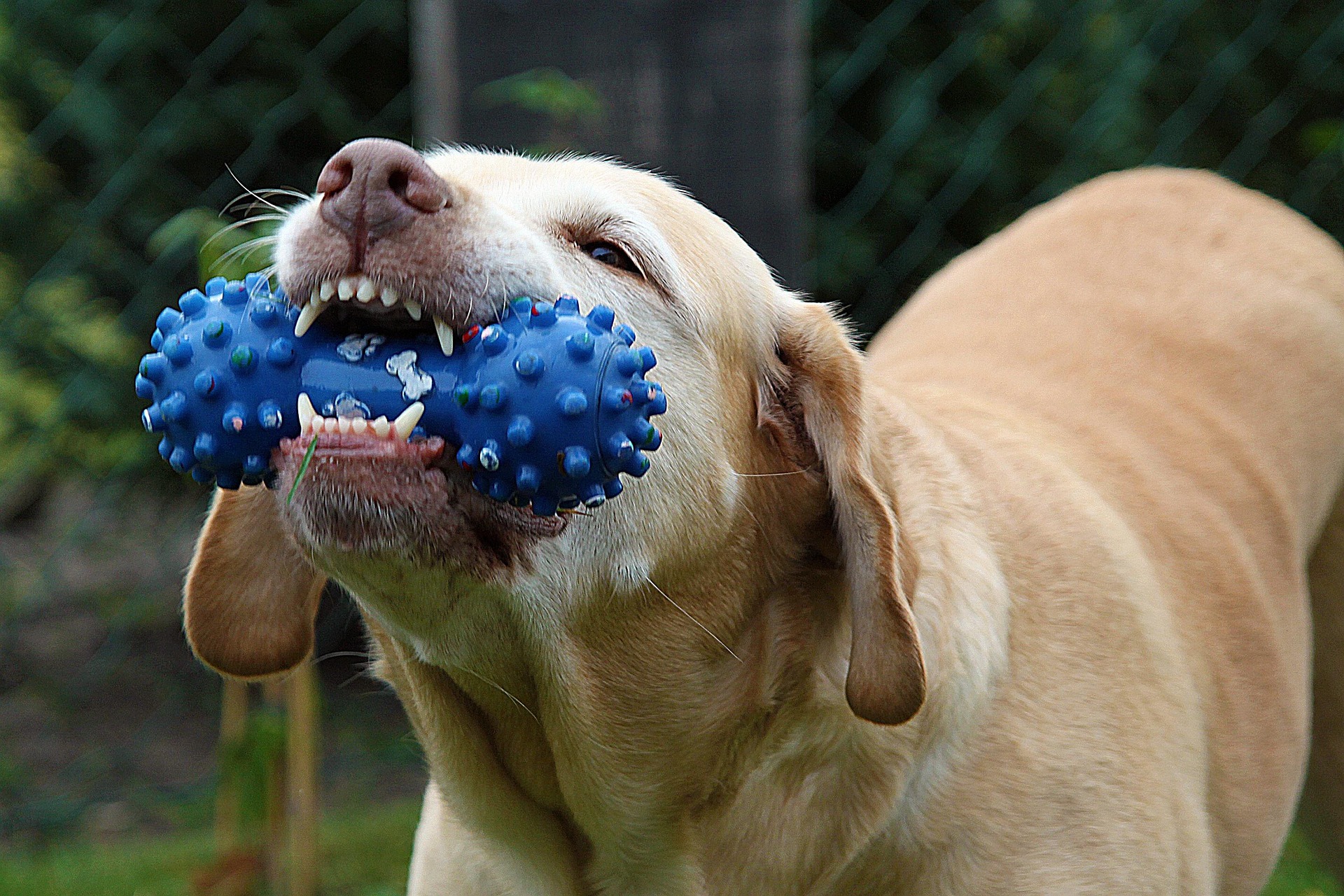
There are several things you may need to think about throughout your fitness journey. including exercise frequency, intensity, duration, as well as awareness of temperature & water intake.
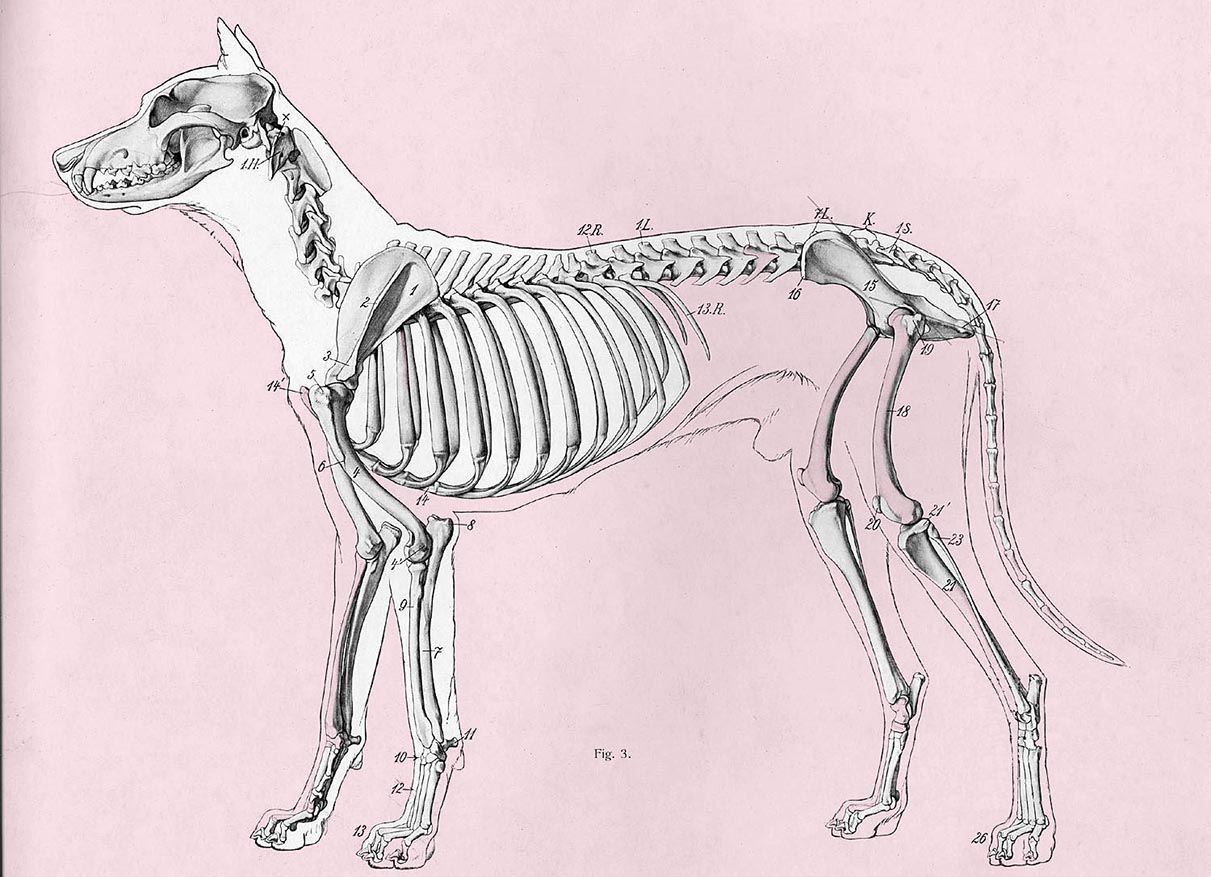
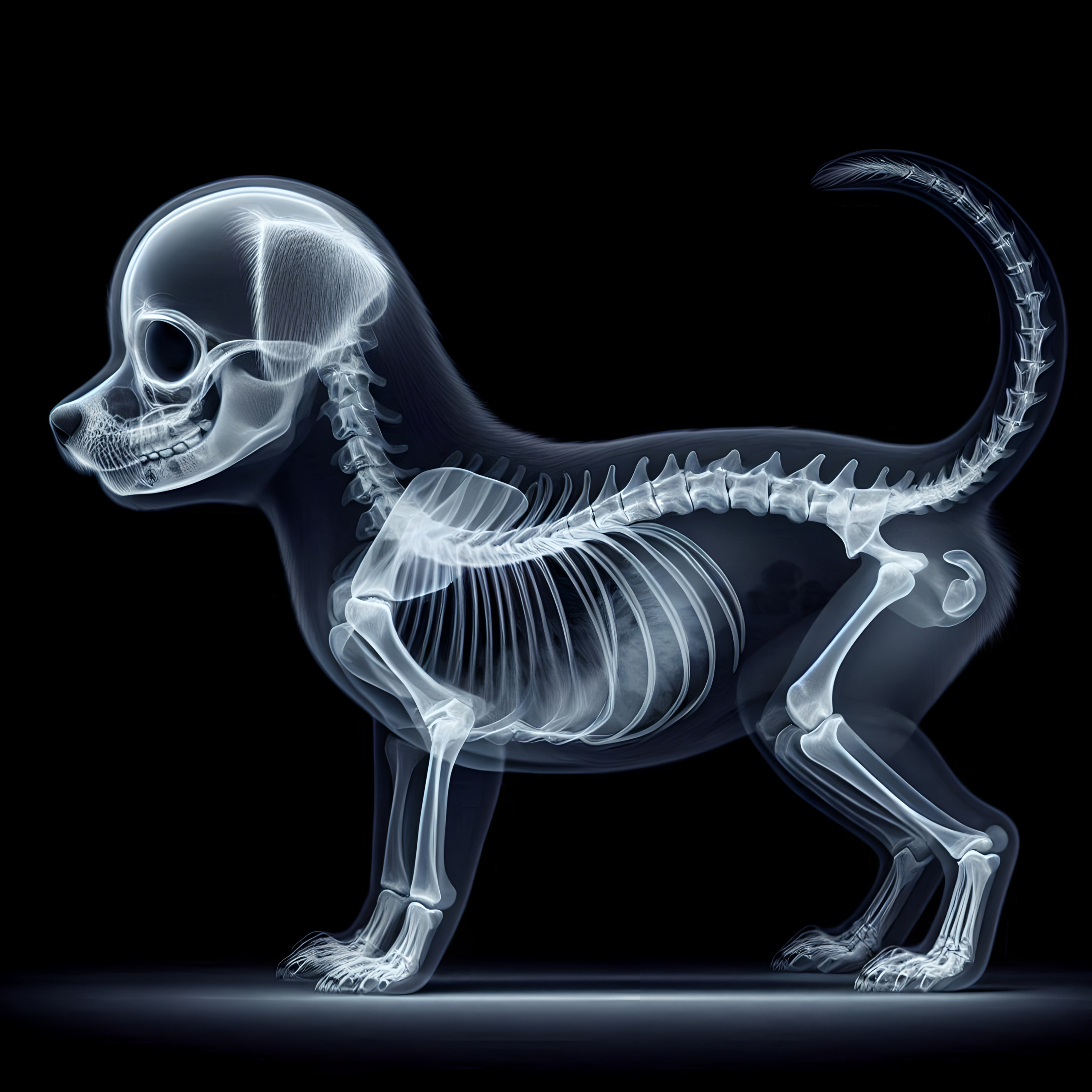
Bones support, protect organs, enable movement, store minerals, and produce blood cells. Growth plates are crucial for bone development and allow for the lengthening of bones as they grow.
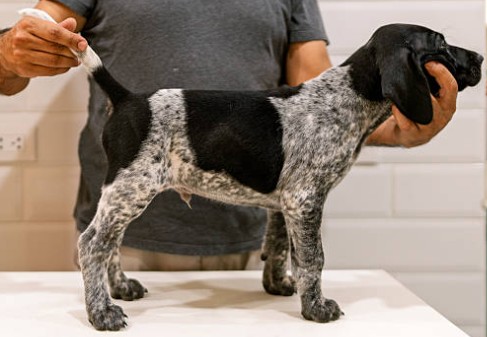
This section includes withers, topline & loin, affecting movement, & stability. Croup and tail set reflect pelvic position & structure. Dog chest and rib structures vary by shape, size, and breed,
The front assembly includes shoulder, upper arm, elbow, forearm, pastern, wrist, and paw. Dog hindquarters include hind legs, joints, and muscles vital for movement, stability, and power.
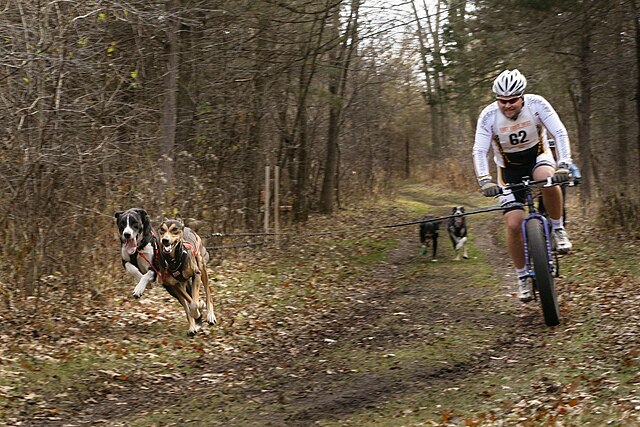
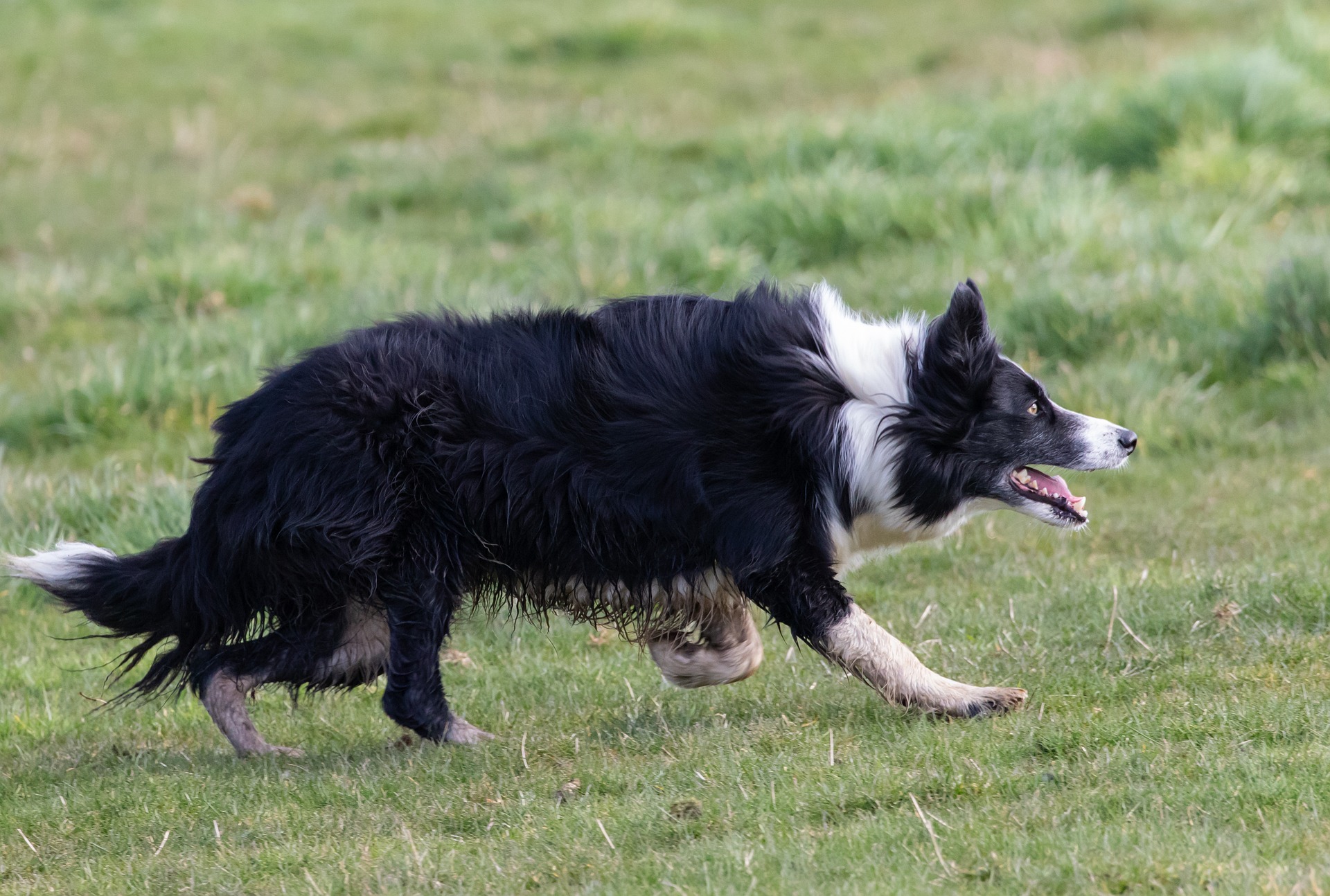
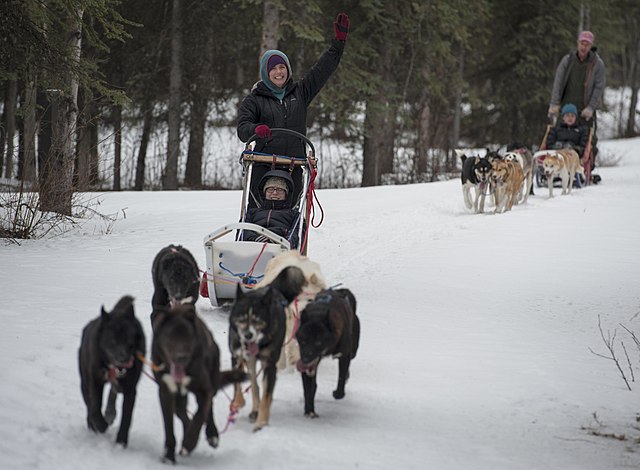
This section includes sports and activities that your dog may excel in, such as agility, dock diving, carting, weight pulling, hiking, tracking, protection sports , canicross, sledding & hunting.