Types of Teeth
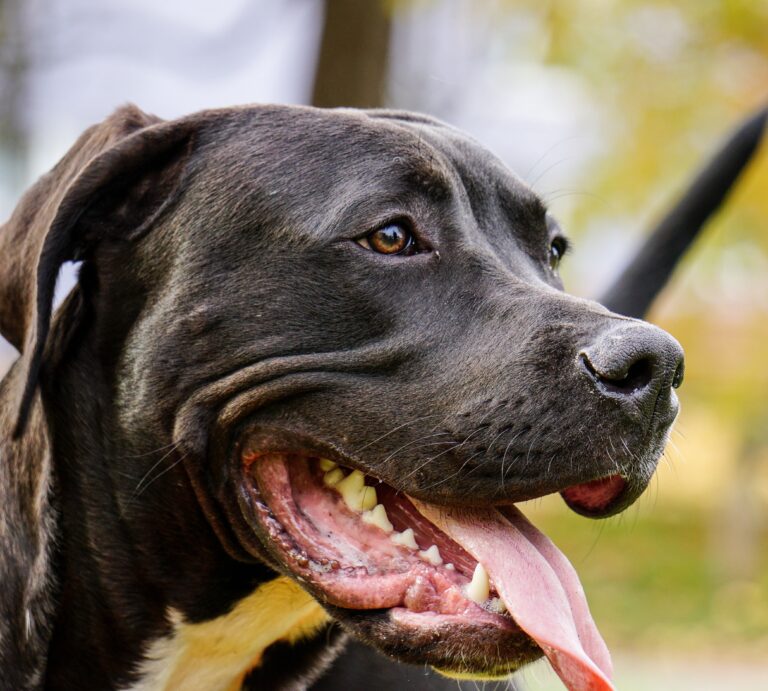
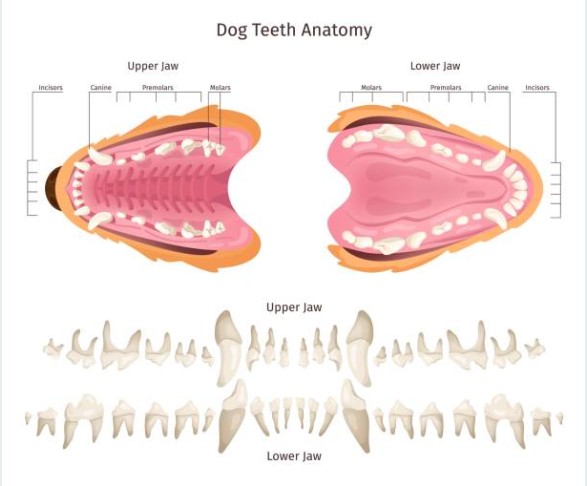
Dogs have four main types of teeth, each serving a specific function.
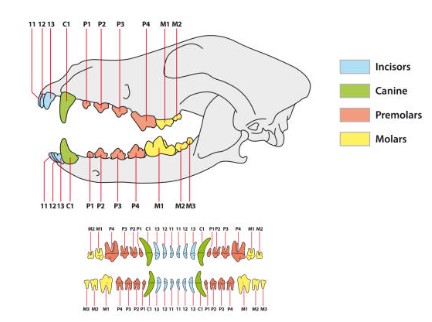
- Incisors: These are the small teeth located at the front of the mouth, used for nibbling and grooming. Dogs typically have 12 incisors, with 6 on the top and 6 on the bottom.
- Canines: Positioned next to the incisors, these long, pointed teeth are used for grasping and tearing food. Dogs have 4 canines, 2 on the top and 2 on the bottom.
- Premolars: Located behind the canines, these teeth are used for grinding and tearing food. Adult dogs have 16 premolars, with 8 on the top and 8 on the bottom.
- Molars: Found at the back of the mouth, molars are also used for grinding food. Dogs have 10 molars, with 4 on the top and 6 on the bottom.
All puppies should have 28 deciduous teeth. In total, adult dogs have 42 teeth: 20 on the top and 22 on the bottom.
- Incisors at the front of the mouth for nipping, scratching an itch and pulling unwanted items from coat/foot pad.
- Canine teeth used for gripping and tearing
- Premolars located just behind the canines for tearing, slicing and grinding.
- Molars at the back of the mouth for the heaviest chewing and grinding edible plants.
- 4th Upper premolar and First lower molar: Positioned with greatest jaw pressure.
- Molars and Pre-molars: Needed in Police dogs and IGP competitions for a “full mouth bite”.
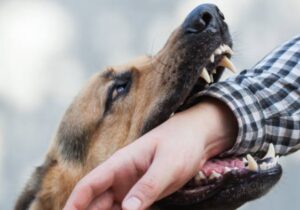
Occlusion
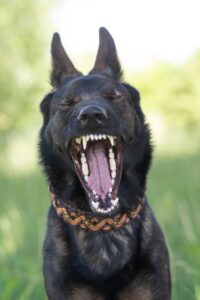
Canine teeth occlusion refers to the alignment of a dog’s teeth when the mouth is closed.
Proper occlusion is essential for a functional bite, allowing dogs to chew effectively and maintain oral health. In a normal occlusion, the upper and lower teeth fit together correctly, with minimal overlap.
Importance of Proper Occlusion
- Comfort: Correct alignment prevents discomfort and pain caused by abnormal tooth contact.
- Health: Malocclusions can lead to chronic pain, tissue trauma, and other dental issues that may require veterinary intervention.
Canine teeth occlusion refers to the alignment and contact of the upper and lower canine teeth when the mouth is closed.
- Proper occlusion is crucial for effective chewing and overall dental health in dogs.
- Normal Occlusion: Ideally, the upper canines should slightly overlap the lower canines, allowing for a proper bite.
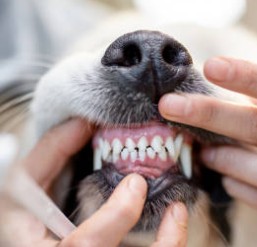
Malocclusion
Canine teeth malocclusion refers to the misalignment of a dog’s teeth, leading to an abnormal bite. This condition can significantly affect a dog’s dental health and overall quality of life. Malocclusions can be classified into several types based on the nature of the misalignment:
Classes of Malocclusion
- Neutroclusion (Class 1): Normal jaw lengths but one or more teeth are misaligned.
- Distoclusion (Class 2): The upper jaw is longer than the lower jaw, causing the lower teeth to sit behind the upper teeth.
- Mesioclusion (Class 3): The lower jaw is longer than the upper jaw, causing the lower teeth to sit in front of the upper teeth.
- Other Variants: Includes specific patterns like crossbites and level bites.
Various malocclusions can occur, such as crowding or improper angling of the canines, which may cause trauma to the palate or other teeth.
Types of Malocclusion
- Skeletal Malocclusion: This occurs when the jaw length is abnormal, causing misalignment of the teeth.
- Dental Malocclusion: This involves the misalignment of teeth without any jaw length issues.
Risks:
- Retrieving and Obedience: May lead to discomfort, loss of function and can lead to change in how the dog perceives the item it is holding.
- Police & IGP: Inhibits their ability to get a grip, which leaves them more susceptible to injury and broken teeth.
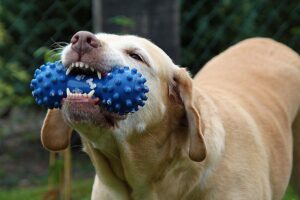
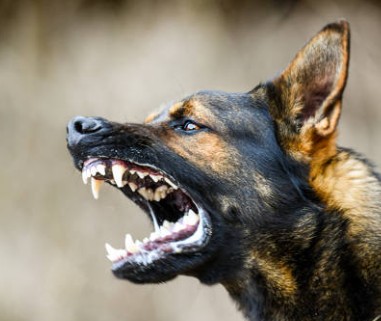
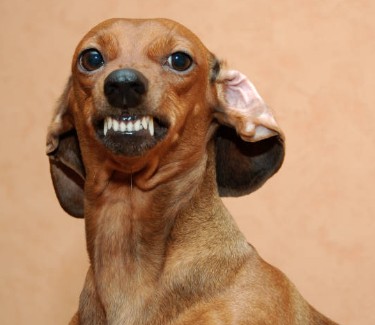
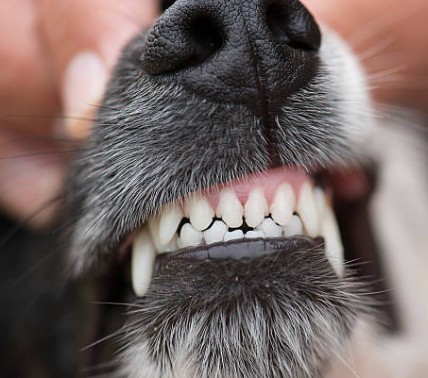
Undershot
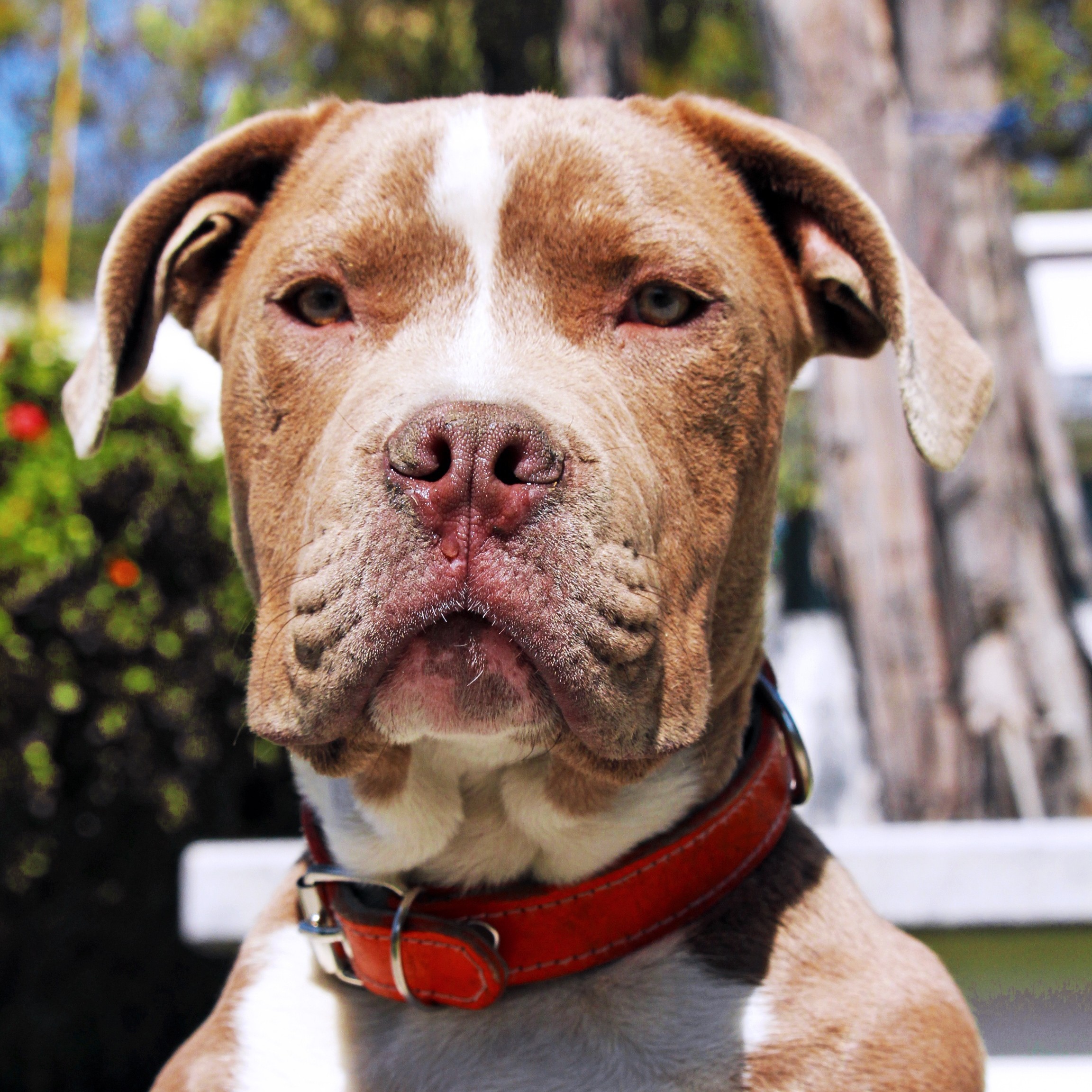
A canine undershot bite, also known as an underbite or mandibular prognathism, occurs when the lower jaw (mandible) is longer than the upper jaw (maxilla).
This misalignment results in the lower teeth protruding beyond the upper teeth when the mouth is closed.
Key Characteristics:
- Genetic Condition: Often seen in certain dog breeds, such as Bulldogs and Boston Terriers, where it may be considered a desirable trait.
- Potential Issues: While some dogs may not experience problems, an undershot jaw can lead to difficulties in chewing, dental issues, and discomfort.
- Traumatic Causes: An undershot jaw can also result from injuries affecting jaw alignment.
This Skeletal Malocclusion was bred for form, not function.
- Decreases the ability to use the teeth as a tool for scratching, pulling things out of their coat or paws or nibbling.
- Causes the neck to be in an unnatural position with a reverse curve.
- Makes jumping more difficulty. If asked to jump with an item in the mouth, it will cause the head to go backwards further in order to keep the object in the mouth.
- Considered within the breed standard for some brachycephalic breeds, such as Boxers, Bulldogs, Brussels Griffon, Pekingese, Shih Tzu, French Bulldog, Dogue de Bordeaux.
- It is allowed in the Bullmastiff, Affenpinscher, English Toy Spaniel, Japanese Chin, Boston Terrier, Lhasa Apso, Tibetan Spaniel, Tibetan Terrier
Risks:
- Agility & Obedience: Increased stress on the lower back when holding the head/neck at an elevated angle.
- Hunting & Retrieving: Increases stress on the neck and lower back when carrying a bird/dumbbell and difficulty picking up objects. (Can also develop back pain if straight shouldered).
- Retriever: If badly undershot, they will have difficulty picking up, carrying and jumping with game.
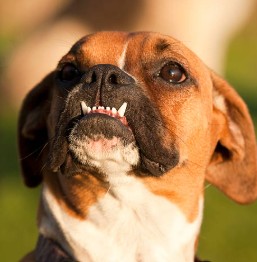
Overshot
A canine overshot bite, also known as an overbite, occurs when the upper jaw is longer than the lower jaw.
This misalignment results in the upper teeth protruding significantly beyond the lower teeth, which can lead to various dental and functional issues for the dog.
Key Characteristics:
- Jaw Alignment: The upper jaw (maxilla) extends further than the lower jaw (mandible).
- Functional Issues: Dogs with an overshot bite may have difficulty closing their mouths properly, which can affect eating and chewing.
- Health Implications: This condition can lead to dental problems, discomfort, and a decreased quality of life if not addressed.
The incisors of the upper jaw project beyond the incisors of the lower jaw, thus resulting in a space between the respective inner and outer surfaces.
- It is always a fault in breed standards.
- Takes aways one of the dog’s natural tools for grooming and socializing.
Causes:
- Genetic factors often play a significant role, as certain breeds are more prone to this condition.
- It can also be influenced by improper dental care or trauma.
Even or Level Bite
Even or Level Bite
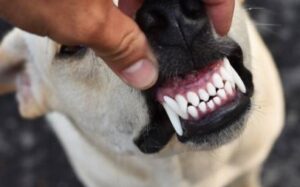
A canine even bite refers to a dental occlusion where the upper and lower canine teeth align edge to edge. This condition occurs when there is minimal discrepancy in jaw length, causing the canines to meet directly without overlap.
Causes wear on the teeth and can be classified as a undershot mouth.
Characteristics
- Alignment: The upper and lower canines touch at their tips.
- Functionality: This type of bite can affect how a dog chews and may lead to wear on the teeth over time.
- Potential Issues: While some dogs may function well with an even bite, it can sometimes lead to dental problems or discomfort if not properly managed.
Wry Mouth
Wry Mouth
Canine wry mouth is a dental condition characterized by a twisting of the mouth. This occurs when one side of the jaw grows more quickly than the other, leading to an asymmetrical appearance.
- One of the 4 quadrants of the jaw being out of proportion with the other 3 quadrants.
- This misalignment can cause difficulties with eating and grasping food, potentially leading to discomfort and health issues for the dog.
- Wry mouth is often classified as a type of malocclusion, which refers to any misalignment of the teeth or jaws.
- May be the worse malocclusion and is always a fault, as due to either an inherited defect or facial trauma.
- Can lead to both grasping and chewing problems
Causes
- Genetic Factors: Often inherited traits can lead to this condition.
- Developmental Issues: Abnormal growth patterns during the dog’s development can contribute to wry mouth.
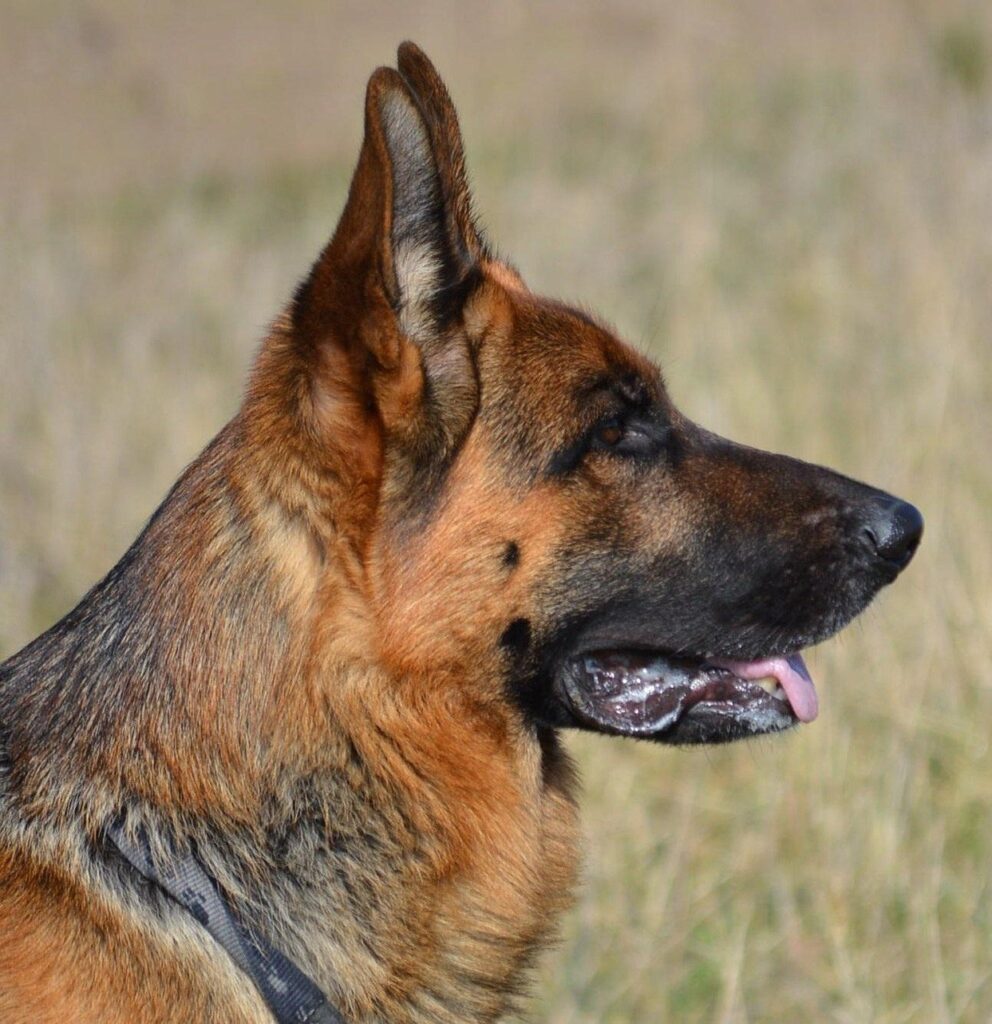
Head Types
Canine head shapes are categorized into three primary types: brachycephalic, mesocephalic, and dolichocephalic. Each type has distinct characteristics that influence the dog’s appearance and health.
Brachycephalic
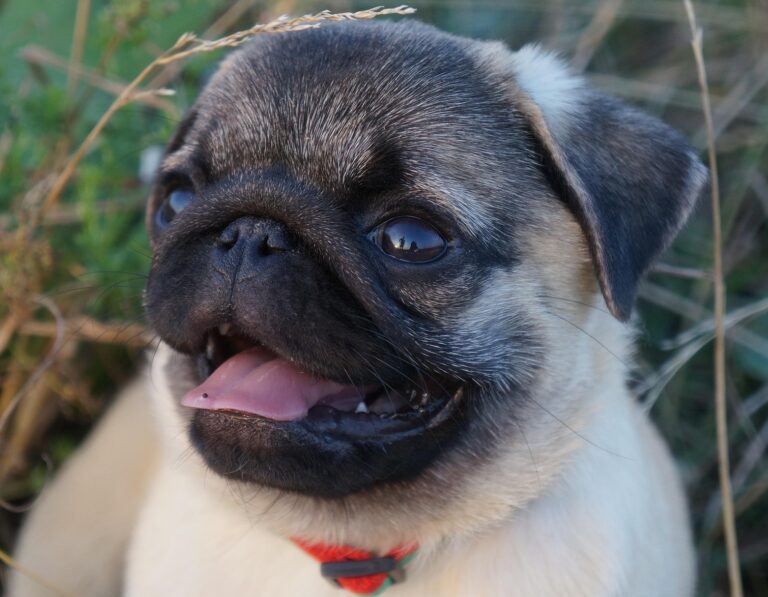
- Description: Short-nosed or flat-faced dogs.
- Examples: Pugs, Bulldogs, and Boxers.
- Health Considerations: Prone to breathing difficulties due to their compressed airways.
Mesocephalic
- Description: Dogs with a moderate head shape, neither too long nor too short.
- Examples: Labrador Retrievers and Beagles.
- Health Considerations: Generally balanced in terms of health risks associated with head shape.
Dolichocephalic
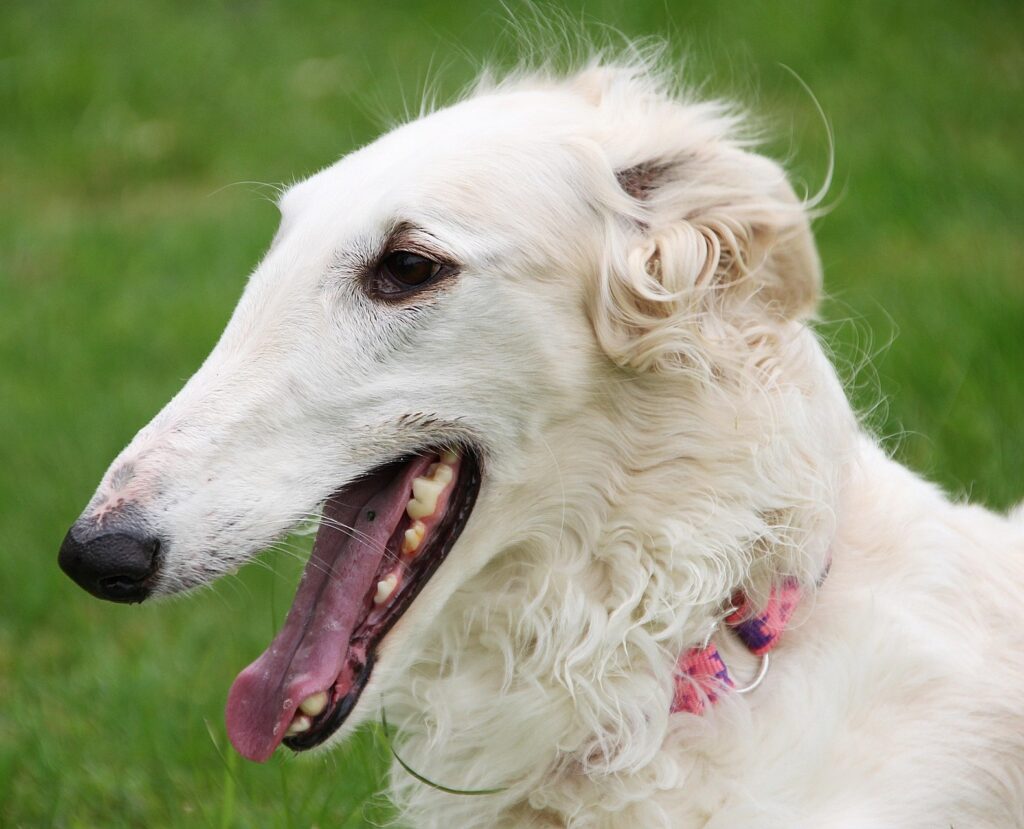
- Description: Long-headed dogs with elongated skulls.
- Examples: Greyhounds and Collies.
- Health Considerations: Typically have fewer health issues related to head shape compared to brachycephalic breeds
Round head
A round head in dogs refers to a specific head shape characterized by a broad, circular appearance. This shape is often associated with certain breeds that have a distinctive round skull and a shorter muzzle.
Key Characteristics:
- Shape: The head appears rounded from various angles, often resembling a sphere or a blunt wedge.
- Breeds: Common breeds with round heads include Bulldogs, Pugs, and Boston Terriers. These breeds typically have a compact and muscular build, complementing their round head shape.
- Facial Features: Round-headed dogs often have prominent cheeks and a broad forehead, contributing to their unique appearance.
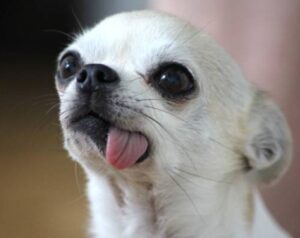
These dogs have very weak jaws, as seen in some toy breeds like the Chihuahua
Variations:
- Some dogs may have a slightly domed skull or a more pronounced muzzle, but the overall roundness remains a defining feature.
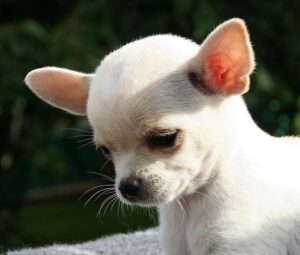
Brachycephalic
Brachycephalic dogs are breeds characterized by their short snouts and flat faces. This unique head shape can lead to various health issues, particularly respiratory problems due to their compressed airways. Common breeds include Bulldogs, Pugs, and Boxers.
Health Concerns
- Respiratory Distress: Many brachycephalic dogs suffer from Brachycephalic Obstructive Airway Syndrome (BOAS), which can cause difficulty breathing, especially during exercise or in hot weather.
- Heat Sensitivity: Their anatomy makes them more susceptible to overheating.
- Eye Problems: The eye sockets are shallow leading to prominent eyes of that can lead to scratches, dry eyes and conditions like corneal ulcers
- Soft Palate: Often fleshy and elongated with risk of falling loosely into the throat causes chocking.
- Teeth may be overcrowded and grow at odd angles trapping food leading to dental disease.
- Skin Folds of the facial skin create an environment that is a breeding ground for chronic bacterial infections called pyoderma.
Brachycephalic breeds may have various forms of respiratory distress, dental and eye crisis and chronic skin infections
- This is considered by some to be the acceptable price of producing a certain “type”.
- Every single problem can be prevented using healthy breeding choices to correct the structural extremes and deficiencies.
Jaw & Underjaw
The canine jaw consists of two main parts: the upper jaw (maxilla) and the lower jaw (mandible). These structures support the dog’s teeth and are essential for chewing and biting effectively. The jaw is powered by various muscles that allow for movement and force, enabling dogs to eat and interact with their environment.
- Teeth Structure: Canines have four permanent canines, one on each side of both jaws, which are the longest teeth and play a crucial role in grasping and tearing food.
- Functionality: The jaw’s design allows for a strong bite, necessary for their dietary needs.
- Anatomy Complexity: The canine jaw is part of a complex oral anatomy that includes lips, oral mucosa, teeth, tongue, and salivary glands, all working together for effective digestion.
All jobs that a dog needs to do without injury requires a strong jaw or bite.
- This includes Retrieving, Guard work, Police work, Protection work or IGP competitions among many other activities.
- The jaw strength or bite is affected by the cheekbone (zygomatic arch). The flatter the arch, like in a collie, the less strength in the jaw.
Underjaw is where the power, strength and gripping, come from.
- The lower jaw should go to the end of the upper jaw.
- A properly proportioned underjaw, like the American Pitbull, as a strong bite.
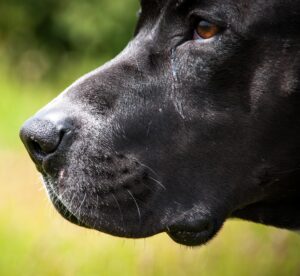
Narrow Jaw
Canine narrow jaw, often referred to as base narrow canines, occurs when one or both of the lower canine teeth are angled inward toward the tongue. This misalignment can lead to contact with the upper gums or soft palate, potentially causing discomfort or injury to the soft tissue in the mouth.
Characteristics
- Malocclusion: This condition is a type of malocclusion, where the teeth do not align properly during biting or chewing.
- Common in Young Dogs: It is frequently observed in puppies and young dogs, particularly under one year of age, but can also occur in cats.
Causes
- Genetic Factors: Some breeds are more prone to this condition due to genetic predispositions.
- Developmental Issues: It can arise when the deciduous (baby) teeth erupt too narrowly, affecting the alignment of permanent teeth.
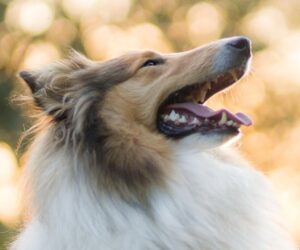
The longer and narrower the head, the weaker the jaws, like the Collie and Borzoi.
- Narrow muzzles decrease the space for a proper root system for the teeth, which can cause small or missing teeth.
- The more the head is altered, the less efficient bite.
Symptoms
- Pain and Discomfort: Affected animals may experience pain, especially when chewing.
- Soft Tissue Damage: Contact between the misaligned teeth and soft tissues can lead to injuries.
Cervical Vertebrae
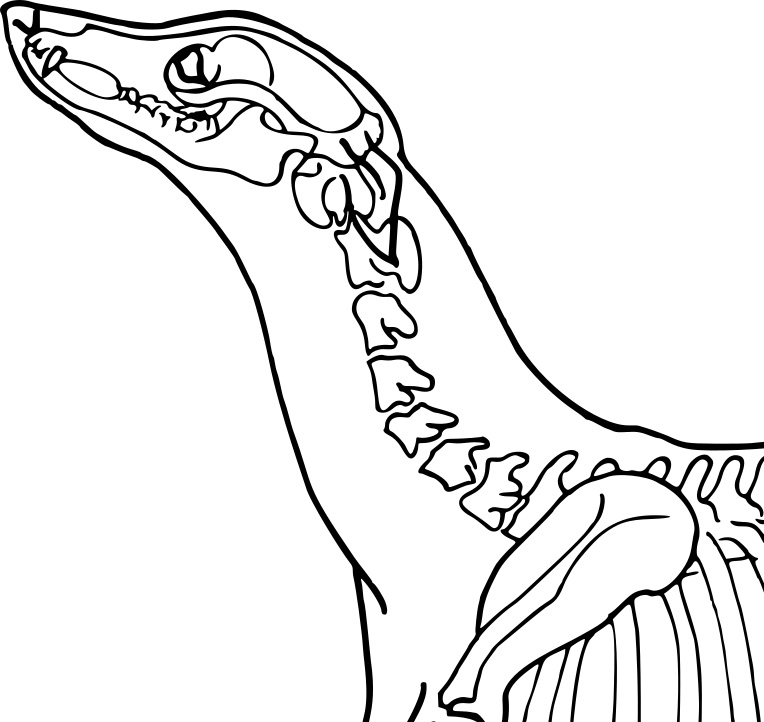
All canine cervical vertebrae are the same consisting of 7 distinct vertebrae.
These vertebrae are crucial for the mobility and support of a dog’s neck.
Cervical Vertebrae Structure
- C1 (Atlas): Supports the skull and allows for nodding movements.
- C2 (Axis): Allows for rotation of the head.
- C3 to C7: These vertebrae provide additional support and flexibility, facilitating various neck movements.
Functions of the Cervical Vertebrae
- Protection: Safeguards the spinal cord within the vertebral canal.
- Mobility: Enables a wide range of head and neck movements.
- Support: Provides structural integrity to the head and neck region
Short Neck
All dogs have the same amount of vertebrae.
- The appearance of a short neck is a problem with the front assembly. This could be from a straight shoulder and a front assembly which is too far forward.
- As the scapular shifts upward towards the shoulders, it hides the vertebrae behind it, so less of the neck shows in front of the blade.
- The closer the chin to the horizontal line through the topline, the shorter the neck.
- If this is due to straight shoulders, it can limit the dog’s ability to move their front legs freely, impacting activities like running and jumping.
- May be prone to injuries such as strains or tears in the shoulder muscles and ligaments due to improper mechanics during movement.
A “short neck” causes the dog to have a decreased reach forward when walking (shortened gait), which decreases the efficiency and causes the dog to tire more easily.
- This could also make it harder dogs that need to swim.
- Agility & Obedience: Difficulty with correct form; with jumps they may arch, which increases front assembly stress
- Lure coursing or Racing: Slows down the dog due to decreased front reach.
Long Neck
ll dogs have the same amount of vertebrae.
- The vertebrae may be longer or have more space between them.
- The muscles are weaker in dog’s with longer necks.
This affects the stability of the head which could lead to poor balance, especially with dogs going into:
- Agility, Swimming, Police work, Protection work, IGP competitions and Retrieving.
Bull Neck
A bull neck in dogs refers to a thick, muscular neck that is characteristic of certain breeds.
This type of neck is typically wider and more robust than average, providing strength and stability, which is particularly beneficial for breeds that were historically used for tasks requiring power, such as pulling or guarding.
Characteristics of Bull Necks:
- Muscular Build: The neck is well-defined and strong, often tapering from the shoulders to the head.
- Breed Examples: Common in breeds like the American Bulldog, Pit Bull, and Mastiffs.
- Functionality: A bull neck supports the head and enhances the dog’s ability to perform physical tasks, contributing to overall athleticism and endurance.
Muscular, thick, heavy, short neck in dogs such as bulldogs.
- Creates more strength in the neck in these breeds.
Risks:
- Not suited for Sighthounds, Scent hounds or Sporting breeds.
- See limitations in “short neck” above.
Stovetop Neck
Stovetop neck
Same measurement/circumference at the attachments at the head and shoulders.
It prevents proper muscle formation and thus is weaker.
Protection work, Guard dogs and IGP: Prevents the dog from properly getting a grip on the decoy, fugitive or someone fighting and could be injured.
Ewe Neck
A ewe neck in dogs refers to a specific neck conformation characterized by a thin, concave arch.
This condition is often seen as a defect, as it indicates weaker neck ligaments that provide less support for the shoulder blades and front leg muscles. The term is derived from a similar neck structure observed in sheep, where it is also considered undesirable.
Characteristics of Ewe Neck
- Appearance: The neck appears low and has a reverse curve, which can affect the dog’s overall posture and movement.
- Impact on Performance: This conformation can lead to functional issues, particularly in breeds that require strong neck support for activities like running or agility.
Breeds Affected
- Ewe necks can occur in various dog breeds, but they are particularly noted in certain breeds where structural integrity is crucial.
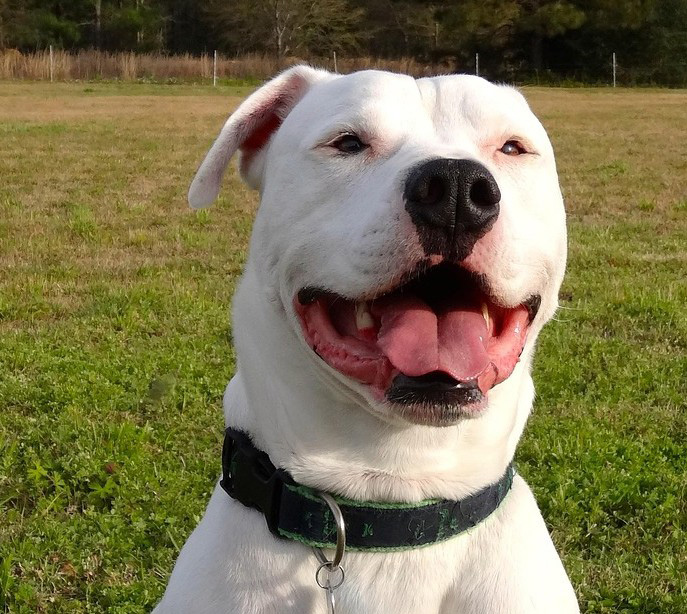
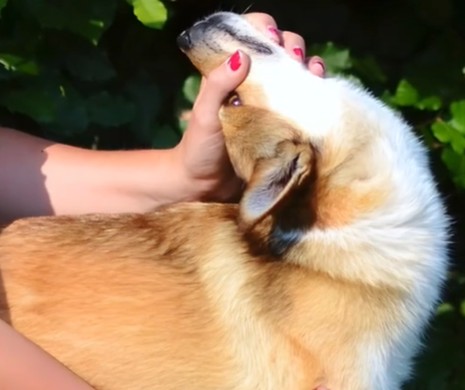
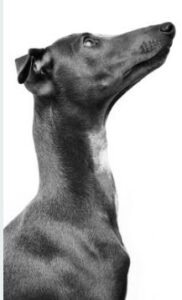
The ability of a dog to bend it’s neck back past the 12:00 position (nose towards the sky) or further is usually due to loose or longer ligaments that hold the vertebrae in alignment.
- Dogs will compensate by either holding their heads up high or tucking their heads like a turtle.
- Upright necks affect the front reach of the dog, and they also cannot swim well.
- Dog with a ewe neck may not be able to comfortably carry anything heavy in their mouth and can affect their balance.
- IGP, Water rescue, Field trials, Hunting or Agility dogs are at greater risk of injury or premature breakdown since they have difficulty carrying heavy objects, esp. when swimming or jumping over obstacles.
Norwegian Lundehund – One of the only breeds that were intentionally bred with a ewe neck.