
Canine Cranial Cruciate Ligament (CCL)
Description, Diagnosis, Causes
Research, Resources & Education
This website is based on research and is NOT created to diagnose your pet.
Each animal is an individual and may exhibit symptoms in a different way.
It is advised that you ALWAYS CHECK WITH YOUR VETERINARIAN for a proper diagnosis and treatment plan.
Table of Contents
Cranial Cruciate Ligament (CCL)
Rupture of the cranial cruciate ligament is most frequently due to excessive trauma and a possibly weakened ligament secondary to degeneration, immune-mediated diseases, or conformational defects (straight-legged dogs).
(Merck Veterinary Manual)
This section includes the description of Cranial Cruciate Ligament (CCL) Rupture, Causes, Breeds at Risk, Prevention, Signs & Symptoms, Treatment and possible Surgeries.
What Dogs are at Risk?
Some Dogs that are at Risk due to Genetic Predisposition
EXAMPLES of BREEDS at RISK
Top 10 Dog Breeds Prone to CCL Tears (Specialized Pet Solutions)
Top 10 Dog Breeds Prone to CCL Tears – Specialized Pet Solutions
- German Shepherds
High-energy working dogs, especially in their youth, are prone to overexertion.
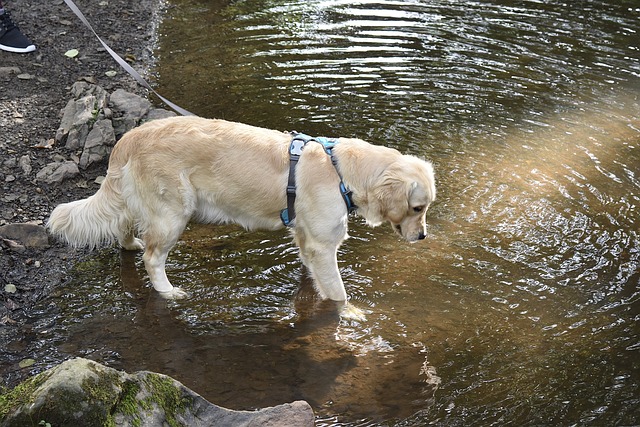
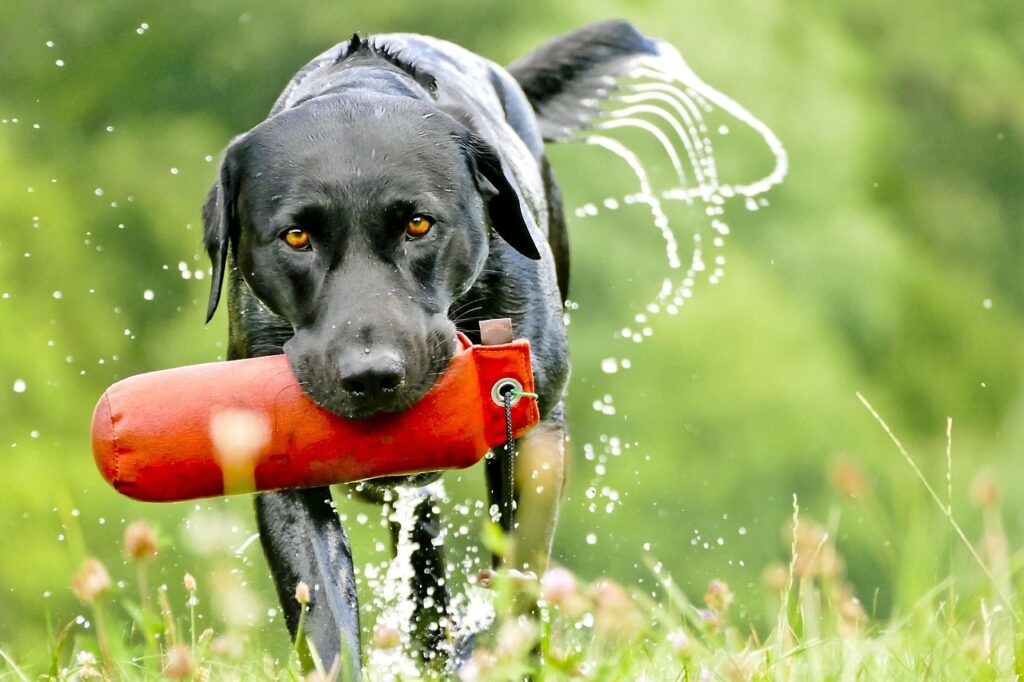
- Labrador Retrievers (including black, yellow, chocolate, and golden)
Energetic and food-motivated, they’re prone to both zoomies and weight gain.
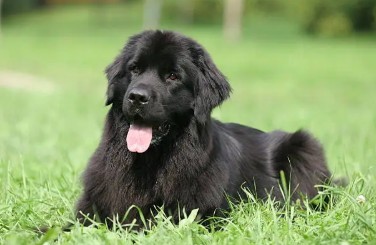
- Newfoundlands
Large breed dogs often predisposed to hip dysplasia, which adds stress to the stifle joint.
- Rottweiler
Muscular and active, they’re commonly used as working dogs—raising their risk.
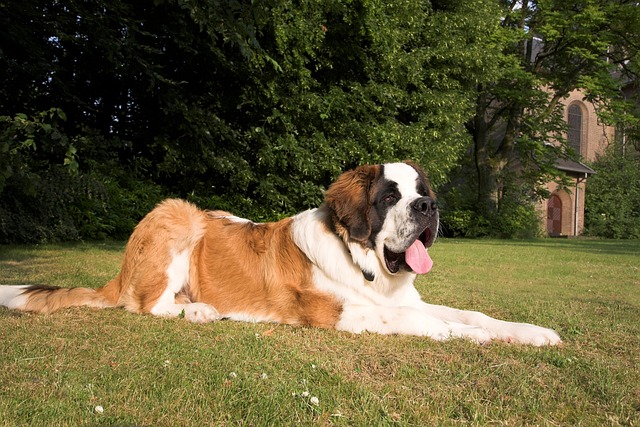
- Bernards
Another large breed with a tendency toward hip issues, increasing joint stress.
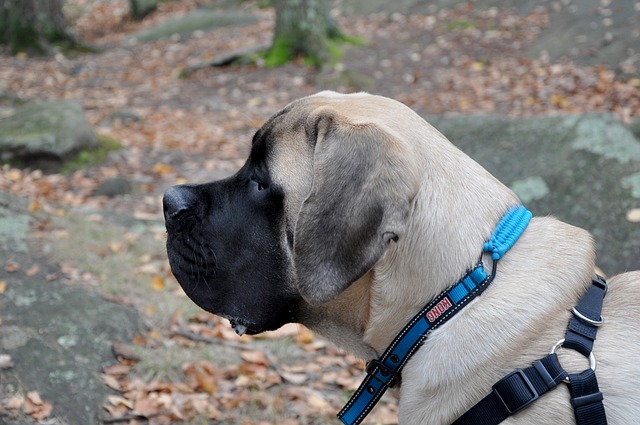
- Mastiffs
Their size and genetic predisposition to joint problems make them vulnerable.
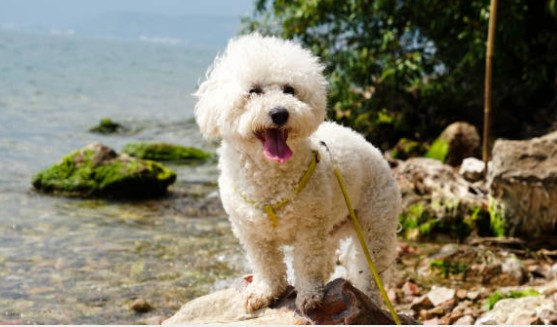
- Bichon Frise
Though small, they are surprisingly prone to orthopedic injuries, including CCL tears.
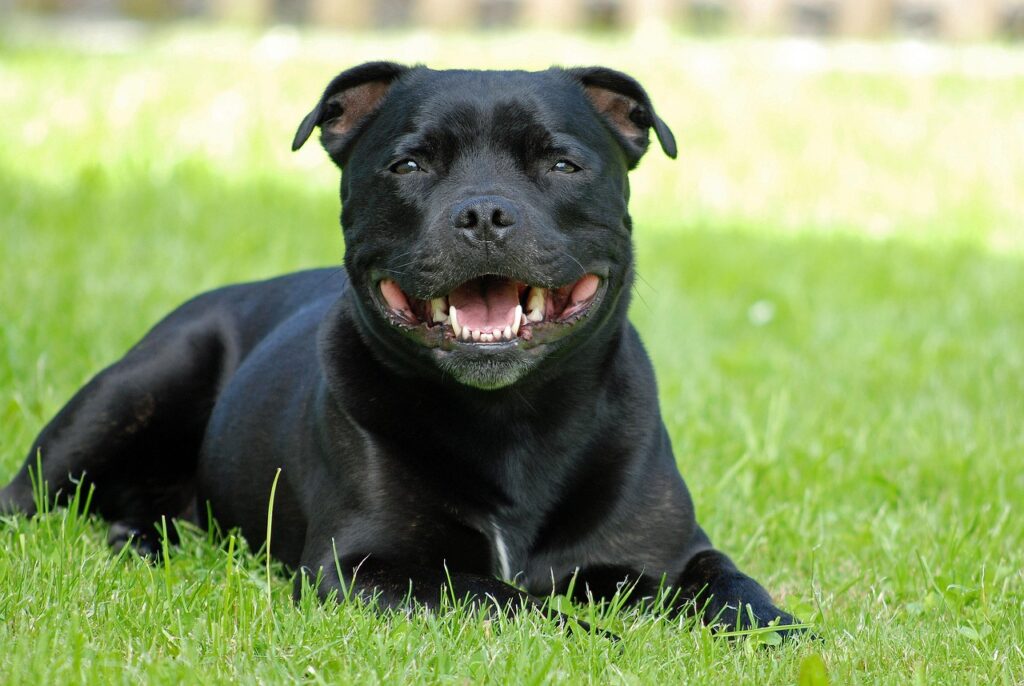
- Staffordshire Bull Terriers
Strong, muscular, and energetic—especially when they get the zoomies.
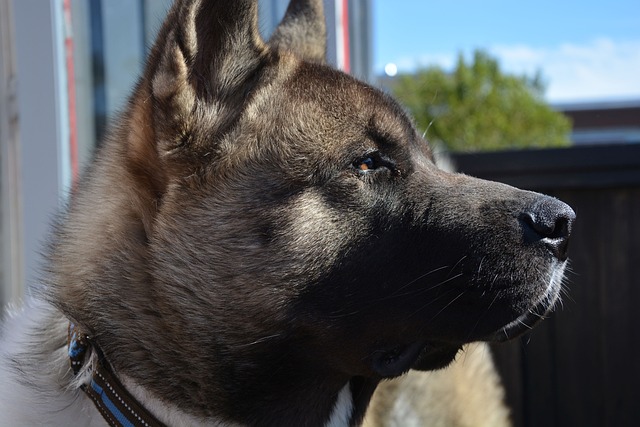
- Akitas
Large, high-energy working dogs that are often at risk due to their activity levels.
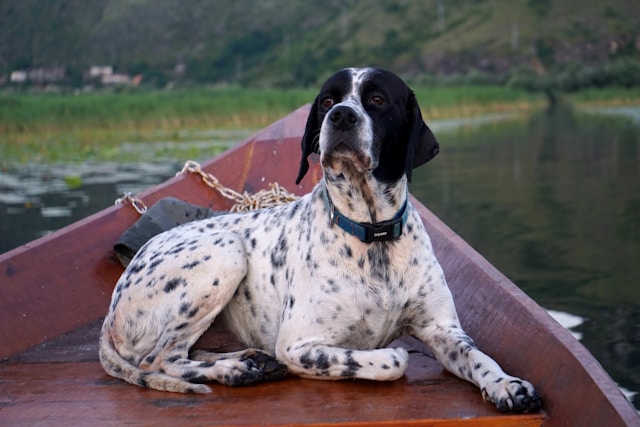
- German Shorthaired Pointers
Bred for hunting, they’re high-energy and need constant activity to stay balanced.
- Boxers
Strong, athletic, and playful—Boxers check all the boxes for CCL tear risk.



What is Cranial Cruciate Ligament (CCL)
What is the Cruciate Ligament? (Lakeshore Road Animal Hospital)
What is the Cruciate Ligament? Lakeshore Road Animal Hospital
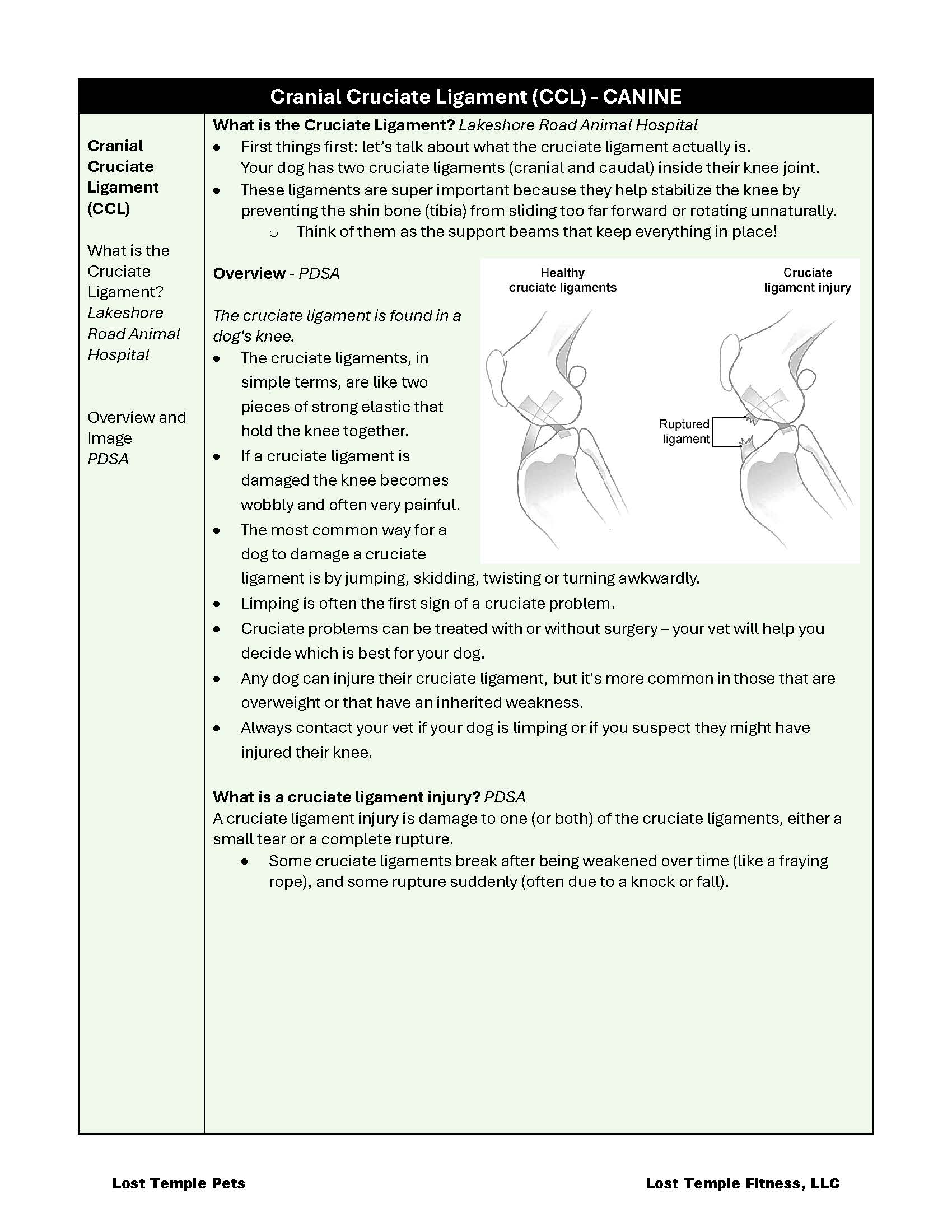
- First things first: let’s talk about what the cruciate ligament actually is.
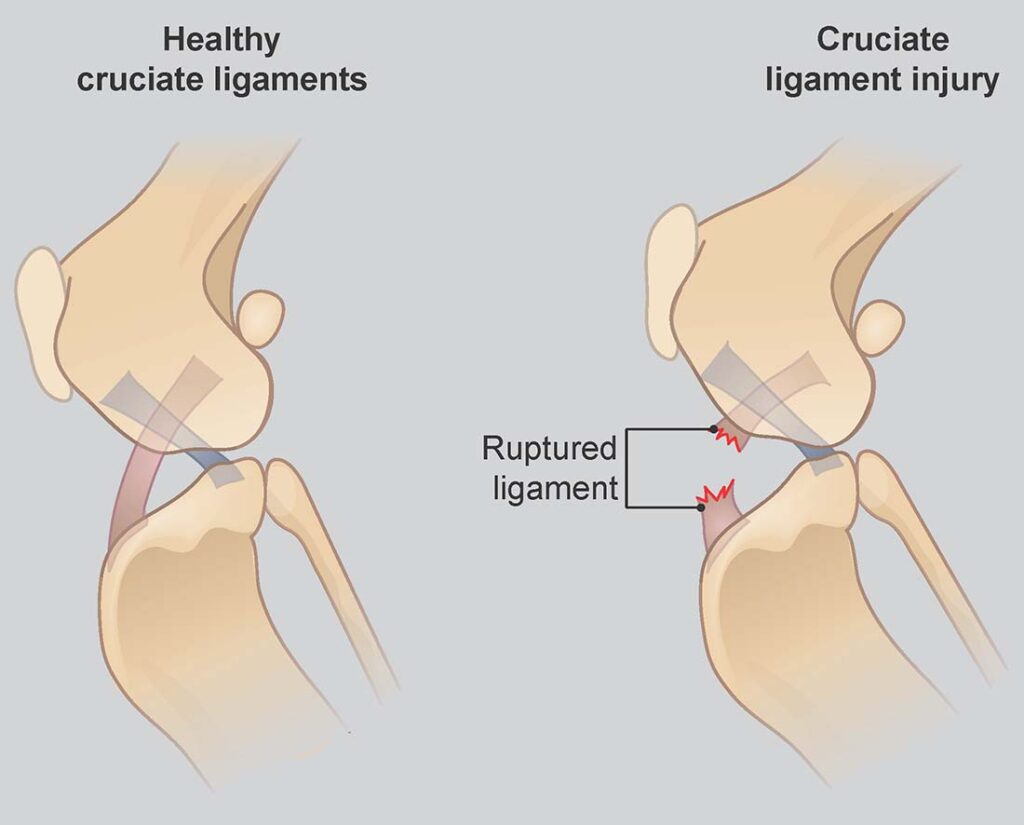
Your dog has two cruciate ligaments (cranial and caudal) inside their knee joint. - These ligaments are super important because they help stabilize the knee by preventing the shin bone (tibia) from sliding too far forward or rotating unnaturally.
- Think of them as the support beams that keep everything in place!
Overview & What is a Cruciate Ligament Injury? (PDSA)
Overview – PDSA
The cruciate ligament is found in a dog’s knee.
- The cruciate ligaments, in simple terms, are like two pieces of strong elastic that hold the knee together.
- If a cruciate ligament is damaged the knee becomes wobbly and often very painful.
- The most common way for a dog to damage a cruciate ligament is by jumping, skidding, twisting or turning awkwardly.
- Limping is often the first sign of a cruciate problem.
- Cruciate problems can be treated with or without surgery – your vet will help you decide which is best for your dog.
- Any dog can injure their cruciate ligament, but it’s more common in those that are overweight or that have an inherited weakness.
- Always contact your vet if your dog is limping or if you suspect they might have injured their knee.
What is a cruciate ligament injury? PDSA
A cruciate ligament injury is damage to one (or both) of the cruciate ligaments, either a small tear or a complete rupture.
- Some cruciate ligaments break after being weakened over time (like a fraying rope), and some rupture suddenly (often due to a knock or fall).
Cranial Cruciate Ligament (CCL) Videos
YouTube Videos that help explain Cranial Cruciate Ligament (CCL) in Dogs
Disclaimer:
This is for research only and Lost Temple Pets does not endorse any video presented on this website.
It is advised that you ALWAYS CHECK WITH YOUR VETERINARIAN for a proper diagnosis and treatment plan.
Playlist
Causes
Causes of CCL Tears (Dr. Loudon)
Causes of CCL Tears – Dr. Loudon
CCL tears can occur due to a variety of reasons, including:
- Trauma from sudden movements: Quick starts, stops, or sharp turns, especially during play or exercise, can strain or rupture the ligament.
- Degeneration over time: Overweight dogs, or dogs who have been over-exercised on hard surfaces, are more prone to ligament weakening.
- Genetic predisposition: Certain breeds like Labrador Retrievers, Rottweilers, and Boxers have a higher likelihood of developing CCL tears.
- Juvenile spay/neuter: Dogs that are spayed or neutered before their growth plates close are more susceptible to CCL injuries due to the imbalance in hormone levels that affect bone and joint development.
- In a study, there were no cases of cranial cruciate ligament tears diagnosed in intact males or females, but in early-neutered males and females the occurrences were 5 percent and 8 percent, respectively.
- Across several breeds, a study of CCL found that neutered males and females were two to three times more likely than intact dogs to have this disorder.
- Neutering has also been shown to be associated with a threefold increase in excessive tibial plateau angle – a known risk factor for CCL.
.
Signs & Symptoms
Clinical Signs (Merck Veterinary Manual)
Clinical Signs – Merck Veterinary Manual
Clinical signs involve lameness, pain, medial joint swelling, effusion, crepitation, excessive cranial laxity of the proximal tibia relative to the distal femur (drawer sign, or positive compression test), and increased internal tibial rotation.
- Partial cranial crucial ligament tears are characterized by a reduced cranial laxity, usually more pronounced in flexion.
- Medial meniscal injury may be identified by a clicking sound during locomotion or flexion and extension.
- A tibial compression test (flexion of the hock and cranial displacement of the tibial tuberosity) can also be used to demonstrate laxity of the cranial cruciate ligament.
- Radiography reveals joint effusion and signs of degenerative joint disease in chronic injuries.
- Arthrocentesis may reveal mild cellular increases and hemarthrosis.
- Arthroscopy can confirm the diagnosis but requires specialized equipment.
Symptoms of CCL Tears in Dogs (Covetrus: Great Pet Care)
Symptoms of CCL Tears in Dogs – Covetrus: Great Pet Care
Pet parents may be concerned that their pet has a torn CCL if they see any of the following signs:
- Limping, including not wanting to put weight on the affected back leg
- Vocalizing, including crying or whining
- Trembling and sensitivity to touch of the leg
- Unwillingness to rise from a sitting position
- Difficulty climbing stairs
- Sitting with the affected limb out to the side of the body
- Decreased muscle mass of the bad leg
- Variable lameness with exercise that may resolve with rest
- Increased thickness of the joint capsule, especially on the inside of the leg
Diagnoses & Evaluation
Diagnosing Cranial Cruciate Ligament Tears in Dogs (Dr. Loudon)
Diagnosing Cranial Cruciate Ligament Tears in Dogs – Dr. Loudon
When a dog presents with lameness, particularly in one of the hind legs, veterinarians often suspect a cranial cruciate ligament (CCL) tear.
- Diagnosis is typically made by a combination of physical examination and diagnostic imaging.
- One of the key diagnostic tests used by veterinarians is feeling for what’s called the cranial drawer sign. This test involves palpating the knee joint to assess for abnormal movement, which indicates laxity and damage to the CCL.
- The cranial drawer test is one of the most reliable indicators of a CCL tear.
- The tibial Compression Test is similar to the cranial drawer test, it evaluates stability of the tibia relative to the femur.
- Instability on this test is referred to as cranial tibial thrust. The test is more sensitive with the animal under sedation.
- In some cases, your dog may need a mild muscle relaxant or sedative to help the veterinarian perform the test accurately, especially if the dog is in pain or too tense.
- If the diagnosis is still unclear after the physical exam, or if the vet wants to rule out other causes of lameness, they may recommend radiographs (X-rays) to assess for any other issues like fractures or arthritis.
- Before surgery, an orthopedic surgeon may also recommend advanced imaging like a CT scan or MRI to get a clearer picture of the injury, particularly if the diagnosis is uncertain or if there are concerns about additional soft tissue injuries.
Diagnosing a Cruciate Injury: It’s Not Always Clear-Cut (Gun Dog Doc)
Diagnosing a Cruciate Injury: It’s Not Always Clear-Cut – Gun Dog Doc
When people mention a “partial tear,” this is often based on how the cruciate bands respond to flexion and extension during the physical exam. It’s important to assess drawer motion in both extension and flexion to distinguish between partial and complete tears.
A couple of critical points about diagnosing cruciate injuries:
- X-rays don’t show cruciate ligaments: You can’t actually see the ligaments themselves on an X-ray.
- However, you can spot indirect signs of cruciate disease, like joint effusion, displacement of the infrapatellar fat pad, or—in rare cases—drawer displacement. But, for all practical purposes, an X-ray only provides evidence, not a definitive diagnosis.
- MRI can visualize cruciate ligaments, but it’s costly: Given the expense, you might be looking at nearly the same cost as the surgical repair itself.
- Most diagnoses are made based on a thorough physical exam. However, this isn’t always straightforward, especially with larger, well-muscled dogs. I experienced this firsthand when I tore my own ACL and meniscus nearly 25 years ago. It took multiple exams and even a misread MRI before I got an accurate diagnosis.
- If your dog has rear leg lameness and your vet suspects a cruciate injury but isn’t certain, there’s no shame in seeking a second opinion from someone who regularly performs these exams.
- Too many dogs go undiagnosed or are improperly treated because they didn’t get a thorough assessment.
Treatment /Surgeries
Treatment Options - 'Conservative Treatment' (PDSA)
Treatment options – PDSA
Without surgery (‘conservative treatment’)
Treatment without surgery (‘conservative treatment’) relies on building extra strength around the knee to take the strain off the cruciate ligaments.
- This type of treatment is mostly used in dogs that weight less than 10kg and dogs with mild signs.
Treatment usually includes:
- Strict rest and then a very gradual and controlled return to exercise
- Pain relief (anti-inflammatories) for the first few weeks
- Weight control
- Physiotherapy, if available
- Conservative treatment often takes a few weeks to a few months but if it’s not successful or suitable, surgery may be recommended.
Treatment / Surgeries (Spruce Pets (The)
Treatment / Surgeries – Spruce Pets (The)
Although rest and medication may help, surgery is usually recommended to repair the ruptured cruciate ligament.1 There are several different surgical approaches, each with its pros and cons.
Cruciate Surgery: Extracapsular Repair
In this method, a strong suture is placed to secure the femur and tibia, essentially replacing the function of the torn cruciate ligament.
- The suture supports the knee joint while scar tissue builds up and the muscles surrounding the knee strengthen.
- The suture invariably loosens or breaks at some point in the future. It must stay intact for eight to 12 weeks for healing to occur.
- This is a relatively quick and uncomplicated procedure with good success rates, especially for smaller dogs.
- It is less expensive than other methods.
- Long-term success varies and may be better for smaller dogs.
Cruciate Surgery: TPLO
Another surgical option is the tibial plateau leveling osteotomy (TPLO). This is a more complex procedure than the extracapsular method and requires specific surgical equipment and training.
- The TPLO alters the biomechanics of the knee joint, allowing it to function properly without a cruciate ligament.
- A complete cut is made through the top of the tibia (tibial plateau).
- The tibial plateau is rotated to change the angle of this portion of the bone.
- A metal plate is affixed to repair the cut bone.
- The tibia heals over several months.
- Partial improvement can be seen within days; however, full recovery will take several months, so cage rest is essential.
- Generally, the long-term prognosis is good, and re-injury is uncommon.
- The plate does not need to be removed unless problems occur later.
- As with any surgery, complications are possible, including infection.
- The TPLO is significantly more expensive than traditional surgery.
Cruciate Surgery: TTA
A third surgical method is the tibial tuberosity advancement (TTA).
- The details of this method are slightly different from a TPLO, but the TTA still involves cutting the tibia and placement of metal implants.
- Some surgeons describe the TTA as a less invasive procedure than the TPLO.
- The TTA may have a faster recovery than TPLO, as well, though some surgeons see little difference.
- The dog’s anatomy and lifestyle are also deciding factors.
- The cost of the TTA is comparable to the TPLO.
Prognosis
Prognosis for Dogs With a Cruciate Ligament Injury (Spruce Pets (The)
Prognosis for Dogs With a Cruciate Ligament Injury – Spruce Pets (The)
In general, the prognosis after surgery is good, with an 85 to 90 percent chance of a return to normal activity levels. Post-surgical medical management consists of multiple steps for your dog’s long-term recovery. It helps to know that smaller dogs (weighing less than 25-30 pounds) may fare better than heavier dogs. Medical therapy involves the following:
- Several weeks of cage rest
- Brief, calm leash walks for bathroom breaks only
- Sit-to-stand exercises
- Underwater treadmill therapy and/or swimming
- Veterinary-approved oral anti-inflammatory drugs and supplements to support joint health
Following your vet’s recommendations will give your dog the best chance of full recovery with fewer complications.
- As with any orthopedic surgery, it is common for dogs to develop arthritis in the future. With proper care, your dog can live a full, healthy, and comfortable life.
These dogs may develop osteoarthritis in the affected knee joint. In addition, dogs affected by this injury have a 40 to 50 percent chance of tearing the ligament in their other knee.
Prevention
Prevention Tips (Animal Wellness)
Prevention Tips – Animal Wellness
While not all ligament injuries can be prevented, you can reduce your dog’s risk:
- Maintain a healthy weight to reduce joint stress
- Provide regular, moderate exercise to keep muscles strong
- Always warm up before intense activity
- Avoid repetitive high-impact activities on hard surfaces
- Consider age-appropriate exercise modifications for older dogs
Prevention of Sprains and Strains in Dogs (PetMD)
Prevention of Sprains and Strains in Dogs – PetMD
While some sprains and strains are unavoidable because of underlying genetic predispositions, you can work to keep your dog safe by limiting their access to common sources of injury.
- Avoid letting them run on uneven or unfamiliar ground.
- Pay attention to your dog’s effort level during exercise and play.
- Most dogs will self-limit themselves and rest when they have had enough. However, sometimes they will ignore exhaustion when they are having a good time at a dog park or on another adventure.
- If your dog seems totally exhausted—they can’t seem to stop panting or are straining to move—consider changing the pace.
- Take your dog for a slow walk and seek a change of scenery to bring their heart rate back down and allow them time to reconnect with their body to avoid overdoing it.
- Weight management can be very helpful in reducing injury risk.
- Overweight dogs that jump off furniture or suddenly have rare bouts of high activity put more strain and force on their joints from the excessive weight, leading to breakdown and injury.
- Dogs at a healthy weight with regular exercise are much less likely to experience soft tissue injury. “Weekend warriors” is a good description not just for humans, but also for dogs that are relatively sedentary throughout the week, then go for long treks or extended periods of exercise on the weekend.
- These dogs are more susceptible to injury because their muscles and joints are not conditioned for regular, intense exercise.
References
References
Animal Wellness – Ligament Injuries in Dogs
Animal Wellness; September 15, 2025
https://animalwellnessmagazine.com/ligament-injuries-in-dogs/
Best Pet Facts – Identifying Canine Injuries: How to Distinguish Between a Sprain and a Torn Ligament in Dogs
September 9, 2025 by Calvin Gritton
https://bestpetfacts.com/how-to-tell-the-difference-between-a-sprain-and-a-torn-ligament-in-a-dog/
Covetrus: Great Pet Care – Torn ACL in Dogs: Understanding Cruciate Ligament Injuries
By Kathryn Heigel-Meyer, DVM; Reviewed by Catherine Barnette, DVM on 11/15/2024.
Published on 11/28/2023
https://www.greatpetcare.com/dog-health/torn-acl-in-dogs/
Dr. Loudon – Your Guide to Canine Cruciate Tears: Surgical vs. Holistic Treatment Approaches
https://drloudon.com/pet-health/your-guide-to-canine-cruciate-tears/
Gun Dog Doc – Breaking Down Cruciate Ligament Disease: A Vet’s Perspective
https://www.gundogdoc.com/cruciate-ligament-disease-vets-perspective/
Merck Veterinary Manual (Professional Version) – Joint Trauma in Dogs and Cats
By Joseph Harari, MS, DVM, DACVS, Veterinary Surgical Specialists, Spokane, WA
Reviewed/Revised Nov 2020 | Modified Sept 2024
Lakeshore Road Animal Hospital – Torn Cruciate Ligament in Dogs: What You Need to Know & How to Help Your Pup Heal
Posted: Nov. 15, 2024
PetMD – Sprains and Strains in Dogs
Melissa Boldan, DVM; Published Feb. 10, 2023
https://www.petmd.com/dog/conditions/musculoskeletal/sprains-and-strains-dogs
PDSA (UK) – Cruciate ligament damage in dogs
NIH – National Library of Medicine; PubMed Central – Canine Cranial Cruciate Ligament Disease (CCLD): A Concise Review of the Recent Literature – 2025 Apr 3
https://pmc.ncbi.nlm.nih.gov/articles/PMC11987738/
Specialized Pet Solutions – Top Ten Dog Breeds Prone to CCL Tears
By Specialized Pet Solutions | October 13, 2022
https://specializedpetsolutions.com/top-ten-dog-breeds-prone-to-ccl-tears/
Spot (Pet Insurance) – Cruciate Ligament Injury in Dogs: Understanding Symptoms, Treatment, and Prevention
Written by Melina Acra; Medically reviewed by Eagle Glen Vet Clinic
Published: 07/28/2025: Last Updated: 08/05/2025
https://spotpet.com/blog/health/cruciate-ligament-injury-in-dogs
Spruce Pets (The) – Ruptured Cruciate Ligament in Dogs: Causes, Treatment, and Prevention
By Jenna Stregowski; Updated on 03/11/22; Reviewed by Joanne Intile
https://www.thesprucepets.com/cruciate-ligament-injury-in-dogs-1117416
University of Illinois – College of Veterinary Medicine – CCL Injuries in Dogs: What They Are, How to Fix Them
By Alaina Lamp; May 8, 2023
https://vetmed.illinois.edu/pet-health-columns/ccl-injuries-in-dogs-what-they-are-how-to-fix-them/
Arthritis/Breed Chart
| Breed | ORTHOPEDIC | Elbow Displasia | Hip Displasia | Legg-Calve-Perthes | Patella Luxation |
|---|---|---|---|---|---|
| Affenpinscher | Hip Displasia Legg-Calve-Perthes Patella Luxation | Hip Displasia | Legg-Calve-Perthes | Patella Luxation | |
| Afghan Hound | Hip Displasia | Hip Displasia | |||
| Airedale Terrier | Elbow Displasia Hip Displasia | Elbow Displasia | Hip Displasia | ||
| Akita (American) | Elbow Displasia Hip Displasia Patella Luxation | Elbow Displasia | Hip Displasia | Patella Luxation | |
| Alaskan Malamute | Elbow Displasia Hip Displasia | Elbow Displasia | Hip Displasia | ||
| American Eskimo, Toy and Standard | Elbow Displasia Hip Displasia Legg-Calve-Perthes Patella Luxation | Elbow Displasia | Hip Displasia | Legg-Calve-Perthes | Patella Luxation |
| American Foxhound | |||||
| American Pitt Bull Terrier | |||||
| American Staffordshire Terrier | Elbow Displasia Hip Displasia | Elbow Displasia | Hip Displasia | ||
| American Water Spaniel | Hip Displasia | Hip Displasia | |||
| Anatolian Shepherd Dog | Elbow Displasia Hip Displasia | Elbow Displasia | Hip Displasia | ||
| Australian Cattle Dog | Elbow Displasia Hip Displasia Patella Luxation | Elbow Displasia | Hip Displasia | Patella Luxation | |
| Australian Shepherd | Elbow Displasia Hip Displasia | Elbow Displasia | Hip Displasia | ||
| Australian Terrier | |||||
| Basenji | Hip Displasia | Hip Displasia | |||
| Basset Hound | |||||
| Beagle | Elbow Displasia Hip Displasia Patella Luxation | Elbow Displasia | Hip Displasia | Patella Luxation | |
| Bearded Collie | Hip Displasia | Hip Displasia | |||
| Beauceron | Elbow Displasia Hip Displasia | Elbow Displasia | Hip Displasia | ||
| Bedlington Terrier | |||||
| Belgian Groenendael | Elbow Displasia Hip Displasia | Elbow Displasia | Hip Displasia | ||
| Belgian Malinois | Elbow Displasia Hip Displasia | Elbow Displasia | Hip Displasia | ||
| Belgian Tervuren | Elbow Displasia Hip Displasia | Elbow Displasia | Hip Displasia | ||
| Bernese Mountain Dog | Elbow Displasia Hip Displasia | Elbow Displasia | Hip Displasia | ||
| Bichon Frise’ | Hip Displasia Legg-Calve-Perthes Patella Luxation | Hip Displasia | Legg-Calve-Perthes | Patella Luxation | |
| Black and Tan Coonhound | Elbow Displasia Hip Displasia | Elbow Displasia | Hip Displasia | ||
| Black Russian Terrier | Elbow Displasia Hip Displasia | Elbow Displasia | Hip Displasia | ||
| Bloodhound | Elbow Displasia Hip Displasia Patella Luxation | Elbow Displasia | Hip Displasia | Patella Luxation | |
| Boerboel | Hip Displasia | Hip Displasia | |||
| Border Collie | Elbow Displasia Hip Displasia | Elbow Displasia | Hip Displasia | ||
| Border Terrier | Hip Displasia Patella Luxation | Hip Displasia | Patella Luxation | ||
| Borzoi | Elbow Displasia Hip Displasia | Elbow Displasia | Hip Displasia | ||
| Boston Terrier | Patella Luxation | Patella Luxation | |||
| Bouvier des Flandres | Elbow Displasia Hip Displasia | Elbow Displasia | Hip Displasia | ||
| Boxer | Hip Displasia | Hip Displasia | |||
| Briard | Elbow Displasia Hip Displasia | Elbow Displasia | Hip Displasia | ||
| Brittany | Elbow Displasia Hip Displasia | Elbow Displasia | Hip Displasia | ||
| Brussels Griffon | Hip Displasia Patella Luxation | Hip Displasia | Patella Luxation | ||
| Bull Terrier | Patella Luxation | Patella Luxation | |||
| Bull Terrier, Miniature | |||||
| Bulldog, English | Elbow Displasia Hip Displasia Patella Luxation | Elbow Displasia | Hip Displasia | Patella Luxation | |
| Bullmastiff | Elbow Displasia Hip Displasia | Elbow Displasia | Hip Displasia | ||
| Cairn Terrier | Patella Luxation | Patella Luxation | |||
| Canaan Dog | Elbow Displasia Hip Displasia Patella Luxation | Elbow Displasia | Hip Displasia | Patella Luxation | |
| Cane Corso (Italian Mastiff) | Elbow Displasia Hip Displasia Patella Luxation | Elbow Displasia | Hip Displasia | Patella Luxation | |
| Caucasian Shepherd | Elbow Displasia Hip Displasia Patella Luxation | Elbow Displasia | Hip Displasia | Patella Luxation | |
| Cavalier King Charles Spaniel | Hip Displasia Patella Luxation | Hip Displasia | Patella Luxation | ||
| Chesapeake Bay Retriever | Elbow Displasia Hip Displasia | Elbow Displasia | Hip Displasia | ||
| Chihuahua | Patella Luxation | Patella Luxation | |||
| Chinese Shar-Pei | Elbow Displasia Hip Displasia Patellar Luxation | Elbow Displasia | Hip Displasia | Patella Luxation | |
| Chinese Crested | Elbow Displasia Hip Displasia Legg-Calve-Perthes | Elbow Displasia | Hip Displasia | Legg-Calve-Perthes | |
| Chow Chow | Elbow Displasia Hip Displasia Patella Luxation | Elbow Displasia | Hip Displasia | Patella Luxation | |
| Clumber Spaniel | Elbow Displasia Hip Displasia | Elbow Displasia | Hip Displasia | ||
| Cocker Spaniel (American) | Hip Displasia | Hip Displasia | |||
| Collie, Rough / Smooth Coat | |||||
| Curly Coated Retriever | Elbow Displasia Hip Displasia | Elbow Displasia | Hip Displasia | ||
| Dachshund | Patella Luxation | Patella Luxation | |||
| Dalmation | Hip Displasia | Hip Displasia | |||
| Dandie Dinmont Terrier | |||||
| Doberman Pinscher | Hip Displasia | Hip Displasia | |||
| Dogo Argentino | Hip Displasia | Hip Displasia | |||
| Dogue de Bordeaux (Mastiff) | Elbow Displasia Hip Displasia Patella Luxation | Elbow Displasia | Hip Displasia | Patella Luxation | |
| English Cocker Spaniel | Hip Displasia Patella Luxation | Hip Displasia | Patella Luxation | ||
| English Foxhound | |||||
| English Setter | Elbow Displasia Hip Displasia | Elbow Displasia | Hip Displasia | ||
| English Springer Spaniel | Elbow Displasia Hip Displasia | Elbow Displasia | Hip Displasia | ||
| English Toy Spaniel AKA King Charles Spaniel | Patella Luxation | Patella Luxation | |||
| Field Spaniel | Elbow Displasia Hip Displasia Patella Luxation | Elbow Displasia | Hip Displasia | Patella Luxation | |
| Finnish Spitz | |||||
| Flat-Coated Retriever | Hip Displasia Patellar Luxation | Hip Displasia | Patella Luxation | ||
| Fox Terrier, Smooth | Patella Luxation | Patella Luxation | |||
| Fox Terrier, Toy | Legg-Calve-Perthes Patellar Luxation | Legg-Calve-Perthes | Patella Luxation | ||
| Fox Terrier, Wire | Patella Luxation | Patella Luxation | |||
| French Bulldog | Elbow Displasia Hip Displasia Patella Luxation | Elbow Displasia | Hip Displasia | Patella Luxation | |
| German Pinscher | Hip Displasia | Hip Displasia | |||
| German Shepherd | Elbow Displasia Hip Displasia | Elbow Displasia | Hip Displasia | ||
| German Shorthaired Pointer | Elbow Displasia Hip Displasia | Elbow Displasia | Hip Displasia | ||
| German Wirehaired Pointer | Elbow Displasia Hip Displasia | Elbow Displasia | Hip Displasia | ||
| Glen of Imaal Terrier | Elbow Displasia Hip Displasia | Elbow Displasia | Hip Displasia | ||
| Golden Retriever | Elbow Displasia Hip Displasia | Elbow Displasia | Hip Displasia | ||
| Gordon Setter | Elbow Displasia Hip Displasia | Elbow Displasia | Hip Displasia | ||
| Great Dane | Hip Displasia | Hip Displasia | |||
| Great Pyrenees | Elbow Displasia Hip Displasia Patella Luxation | Elbow Displasia | Hip Displasia | Patella Luxation | |
| Greater Swiss Mountain Dog | Elbow Displasia Hip Displasia Shoulder Dysplasia | Elbow Displasia | Hip Displasia | ||
| Greyhound | |||||
| Harrier | Hip Displasia | Hip Displasia | |||
| Havanese | Hip Displasia Patellar Luxation | Hip Displasia | Patella Luxation | ||
| Ibizan Hound | Hip Displasia | Hip Displasia | |||
| Irish Setter | Hip Displasia | Hip Displasia | |||
| Irish Terrier | |||||
| Irish Water Spaniel | Elbow Displasia Hip Displasia | Elbow Displasia | Hip Displasia | ||
| Irish Wolfhound | Elbow Displasia Hip Displasia | Elbow Displasia | Hip Displasia | ||
| Italian Greyhound | Hip Displasia Legg-Calve-Perthes Patellar Luxation | Hip Displasia | Legg-Calve-Perthes | Patella Luxation | |
| Japanese Chin | Patella Luxation | Patella Luxation | |||
| Keeshond | Elbow Displasia Hip Displasia Patellar Luxation | Elbow Displasia | Hip Displasia | Patella Luxation | |
| Kerry Blue Terrier | Hip Displasia | Hip Displasia | |||
| Komondor | Hip Displasia | Hip Displasia | |||
| Kuvasz | Elbow Displasia Hip Displasia Patella Luxation | Elbow Displasia | Hip Displasia | Patella Luxation | |
| Labrador Retriever | Elbow Displasia Hip Displasia | Elbow Displasia | Hip Displasia | ||
| Lakeland Terrier | |||||
| Lhasa Apso | |||||
| Lowchen | Hip Displasia Patella Luxation | Hip Displasia | Patella Luxation | ||
| Maltese | Patella Luxation | Patella Luxation | |||
| Manchester Terrier Toy | Legg-Calve-Perthes Patella Luxation | Legg-Calve-Perthes | Patella Luxation | ||
| Manchester Terrier, Standard | Legg-Calve-Perthes Patella Luxation | Legg-Calve-Perthes | Patella Luxation | ||
| Mastiff | Elbow Displasia Hip Displasia Patella Luxation | Elbow Displasia | Hip Displasia | Patella Luxation | |
| Miniature Pincher | Legg-Calve-Perthes Patella Luxation | Legg-Calve-Perthes | Patella Luxation | ||
| Neapolitan Mastiff | Elbow Displasia Hip Displasia | Elbow Displasia | Hip Displasia | ||
| Newfoundland | Elbow Displasia Hip Displasia | Elbow Displasia | Hip Displasia | ||
| Norfolk Terrier | Hip Displasia Patellar Luxation | Hip Displasia | Patella Luxation | ||
| Norwegian Buhund | Hip Displasia | Hip Displasia | |||
| Norwegian Elkhound | Hip Displasia Patellar Luxation | Hip Displasia | Patella Luxation | ||
| Norwich Terrier | Hip Displasia Patellar Luxation | Hip Displasia | Patella Luxation | ||
| Nova Scotia Duck Tolling Retriever | Hip Displasia | Hip Displasia | |||
| Old English Sheepdog | Hip Displasia | Hip Displasia | |||
| Otterhound | Elbow Displasia Hip Displasia | Elbow Displasia | Hip Displasia | ||
| Papillon | Patellar Luxation | Patella Luxation | |||
| Parsons Russell Terrier | Patellar Luxation | Patella Luxation | |||
| Pekingese | |||||
| Petit Basset Griffon Vendeen (PBGV) | |||||
| Pharaoh Hound | Hip Displasia Patellar Luxation | Hip Displasia | Patella Luxation | ||
| Plott Hound | |||||
| Pointer | Elbow Displasia Hip Displasia | Elbow Displasia | Hip Displasia | ||
| Polish Lowland Sheepdog | Hip Displasia | Hip Displasia | |||
| Pomeranian | Hip Displasia Legg-Calve-Perthes Patella Luxation | Hip Displasia | Legg-Calve-Perthes | Patella Luxation | |
| Poodle, Miniature | Hip Displasia Patellar Luxation | Hip Displasia | Patella Luxation | ||
| Poodle, Standard | Hip Displasia | Hip Displasia | |||
| Poodle, Toy | Patella Luxation | Patella Luxation | |||
| Portuguese Water Dog | Hip Displasia Patella Luxation | Hip Displasia | Patella Luxation | ||
| Presa Canario | Hip Displasia | Hip Displasia | |||
| Pug | Elbow Displasia Hip Displasia Patella Luxation | Elbow Displasia | Hip Displasia | Patella Luxation | |
| Puli | Elbow Displasia Hip Displasia Patella Luxation | Elbow Displasia | Hip Displasia | Patella Luxation | |
| Pyrenean Shepherd | Elbow Displasia Hip Displasia | Elbow Displasia | Hip Displasia | ||
| Rhodesian Ridgeback | Elbow Displasia Hip Displasia | Elbow Displasia | Hip Displasia | ||
| Rottweiler | Elbow Displasia Hip Displasia | Elbow Displasia | Hip Displasia | ||
| Saluki | Hip Displasia | Hip Displasia | |||
| Samoyed | Hip Displasia | Hip Displasia | |||
| Schipperke | Hip Displasia Patella Luxation | Hip Displasia | Patella Luxation | ||
| Schnauzer, Miniature | |||||
| Schnauzer, Giant | Elbow Displasia Hip Displasia | Elbow Displasia | Hip Displasia | ||
| Schnauzer, Standard | Hip Displasia | Hip Displasia | |||
| Scottish Deerhound | Hip Displasia | Hip Displasia | |||
| Scottish Terrier | |||||
| Sealyham Terrier | |||||
| Shetland Sheepdog | Hip Displasia Patella Luxation | Hip Displasia | Patella Luxation | ||
| Shiba Inu | Hip Displasia Patella Luxation | Hip Displasia | Patella Luxation | ||
| Shih Tzu | Hip Displasia Patella Luxation | Hip Displasia | |||
| Siberian Husky | Elbow Displasia Hip Displasia | Elbow Displasia | Hip Displasia | ||
| Silky Terrier | Patellar Luxation | Patella Luxation | |||
| Skye Terrier | |||||
| Soft-Coated Wheaten Terrier | Elbow Displasia Hip Displasia | Elbow Displasia | Hip Displasia | ||
| Spinone Italiano | Elbow Displasia Hip Displasia | Elbow Displasia | Hip Displasia | ||
| St. Bernard | Elbow Displasia Hip Displasia | Elbow Displasia | Hip Displasia | ||
| Staffordshire Bull Terrier | Elbow Displasia Hip Displasia Patella Luxation | Elbow Displasia | Hip Displasia | Patella Luxation | |
| Sussex Spaniel | |||||
| Swedish Vallhund | Hip Displasia | Hip Displasia | |||
| Tibetan Mastiff | Elbow Displasia Hip Displasia | Elbow Displasia | Hip Displasia | ||
| Tibetan Spaniel | Patellar Luxation | Patella Luxation | |||
| Tibetan Terrier | Elbow Displasia Hip Displasia Patellar Luxation | Elbow Displasia | Hip Displasia | Patella Luxation | |
| Tosa | Hip Displasia | Hip Displasia | |||
| Vizsla | Elbow Displasia Hip Displasia Patellar Luxation | Elbow Displasia | Hip Displasia | Patella Luxation | |
| Weimaraner | Elbow Displasia Hip Displasia | Elbow Displasia | Hip Displasia | ||
| Welsh Corgi, Cardigan | Hip Displasia | Hip Displasia | |||
| Welsh Corgi, Pembroke | Hip Displasia | Hip Displasia | |||
| Welsh Springer Spaniel | Elbow Displasia Hip Displasia | Elbow Displasia | Hip Displasia | ||
| Welsh Terrier | |||||
| West Highland White Terrier | Hip Displasia Patellar Luxation | Hip Displasia | Patella Luxation | ||
| Whippet | Hip Displasia | Hip Displasia | |||
| Wirehaired Pointing Griffon | Elbow Displasia Hip Displasia | Elbow Displasia | Hip Displasia | ||
| Yorkshire Terrier | Hip Displasia Legg-Calve-Perthes Patellar Luxation | Hip Displasia | Legg-Calve-Perthes | Patella Luxation |