Canine Hip Dysplasia
Description, Diagnosis, Causes
Research, Resources & Education
This website is based on research and is NOT created to diagnose your pet.
Each animal is an individual and may exhibit symptoms in a different way.
It is advised that you ALWAYS CHECK WITH YOUR VETERINARIAN for a proper diagnosis and treatment plan.
Table of Contents
Canine Hip Dysplasia
Hip dysplasia is an abnormal development of the hip joint in large dogs. It is characterized by a loose joint and subsequent degenerative joint disease (osteoarthritis).
Excessive growth, exercise, nutrition, and hereditary factors affect the occurrence of hip dysplasia.
(Merck Veterinary Manual)
This section includes the description of Hip Dysplasia, Causes, Breeds at Risk, Prevention, Medical Management, Treatment and possible Surgeries.
What Dogs are at Risk?
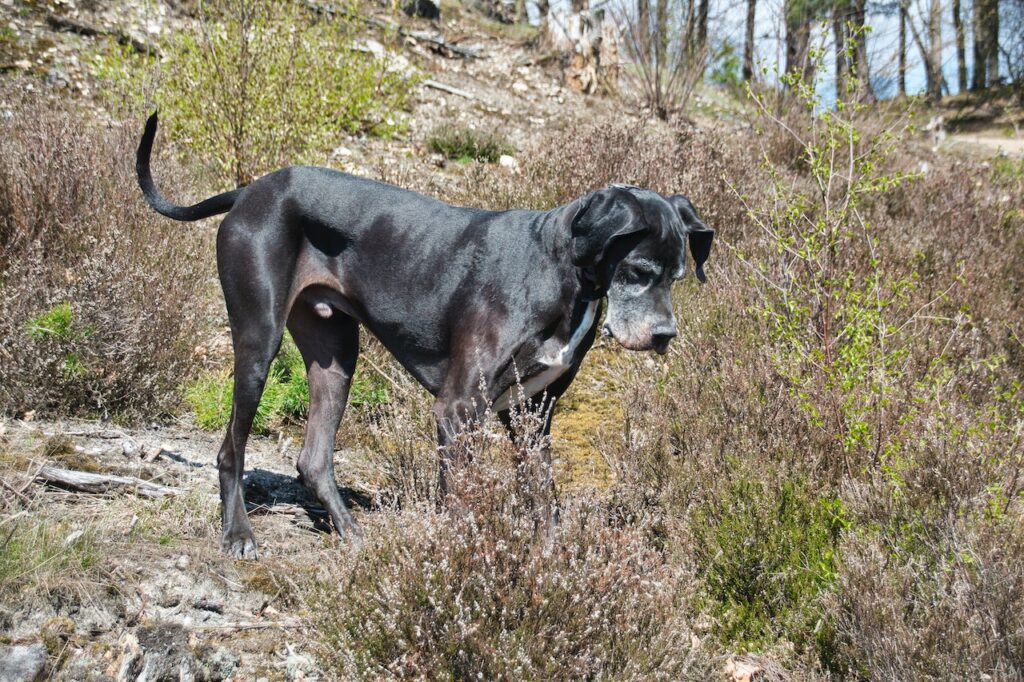
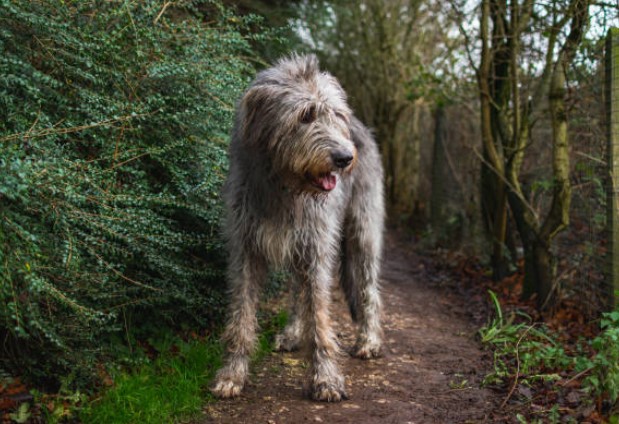
Some Dogs that are at Risk due to Genetic Predisposition
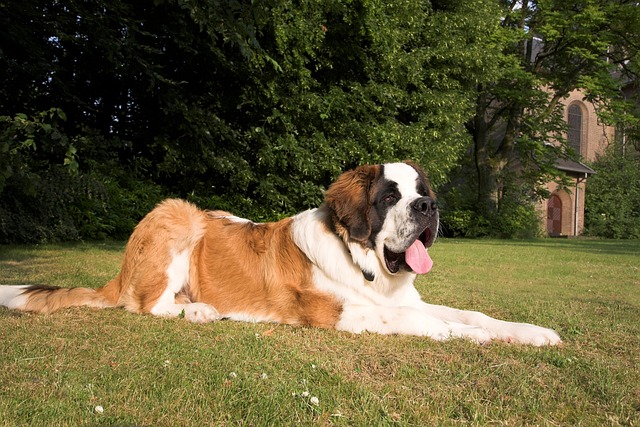
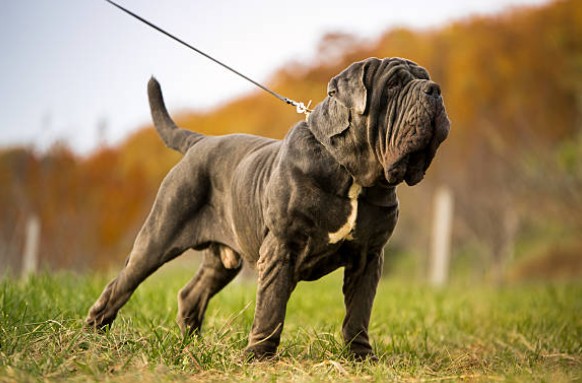
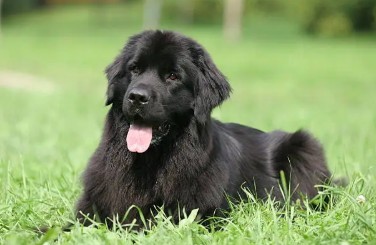
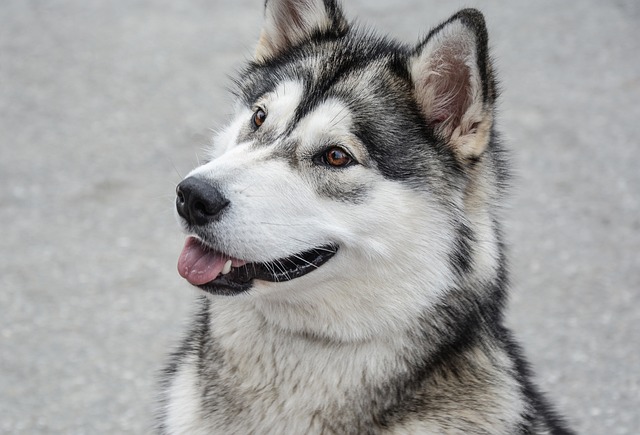
EXAMPLES of BREEDS at RISK
Which Breeds Are Prone to Hip Dysplasia? (Daily Paws)
Which Breeds Are Prone to Hip Dysplasia? Daily Paws
Genetics plays a central role in the development of canine hip dysplasia. Dogs can pass the condition to their offspring, and large-breed dogs are more prone to the disease.
Commonly affected breeds include:
- German shepherds
- Rottweilers
- Golden retrievers
- Saint Bernards
- Labrador retrievers
- Newfoundland
- Mastiffs
However, any purebred breed or mixed breed can develop hip dysplasia, and breed isn’t the only risk factor.
- Puppies with a genetic predisposition for hip dysplasia are more at risk of developing the condition if they’re overfed, resulting in abnormally fast weight gain and growth.
- Conversely, too much exercise is another risk factor in puppies.
What is Hip Dysplasia
What is Hip Dysplasia? (AKC)
What is Hip Dysplasia? – AKC
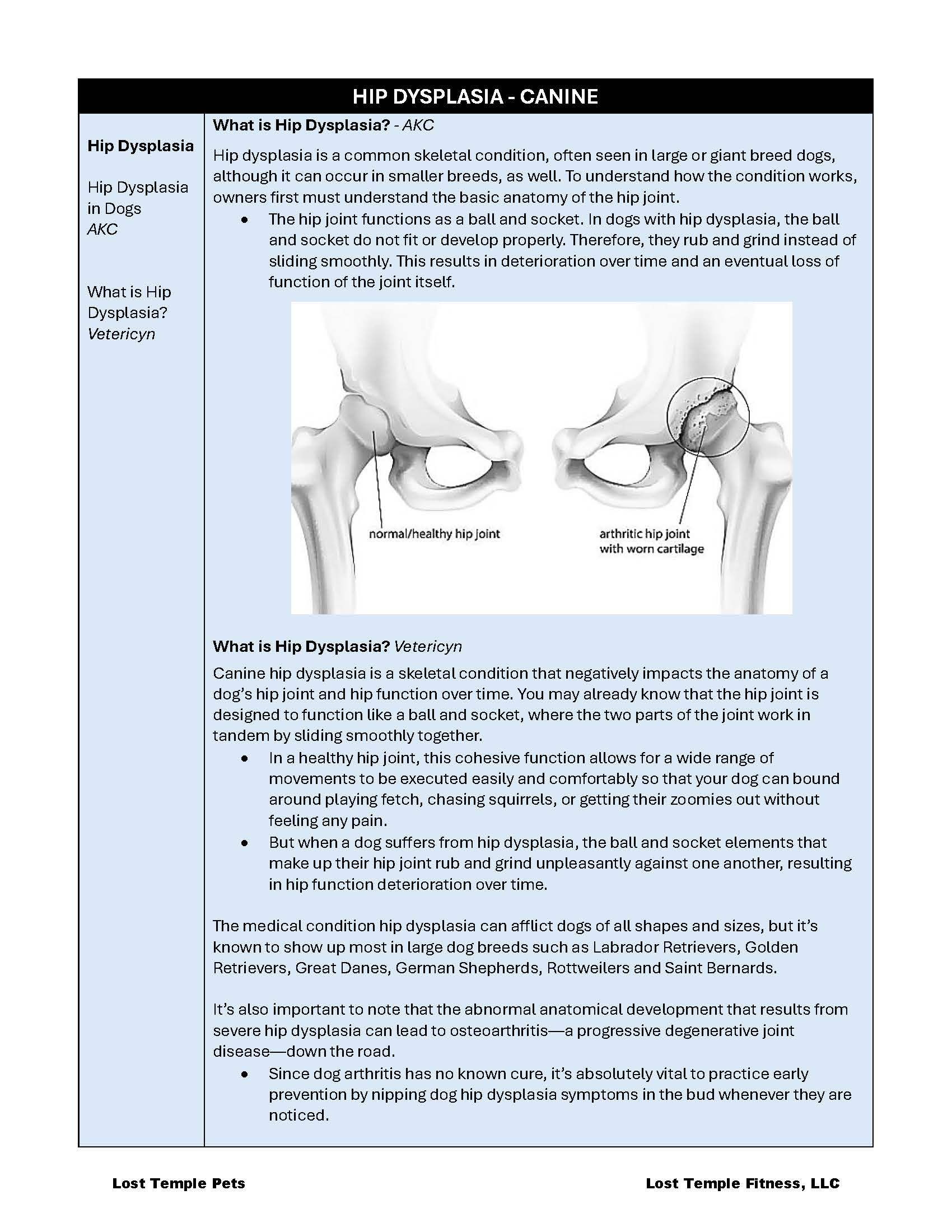
Hip dysplasia is a common skeletal condition, often seen in large or giant breed dogs, although it can occur in smaller breeds, as well. To understand how the condition works, owners first must understand the basic anatomy of the hip joint.
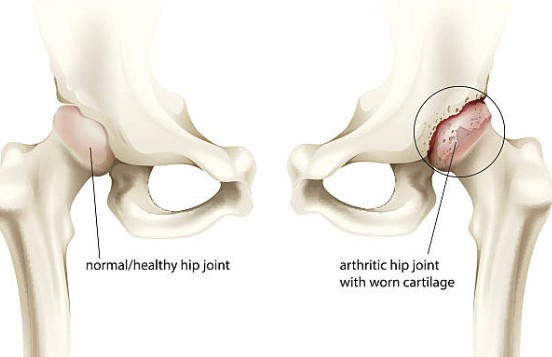
- The hip joint functions as a ball and socket. In dogs with hip dysplasia, the ball and socket do not fit or develop properly. Therefore, they rub and grind instead of sliding smoothly. This results in deterioration over time and an eventual loss of function of the joint itself.
What is Hip Dysplasia? (Vetericyn)
What is Hip Dysplasia? Vetericyn
Canine hip dysplasia is a skeletal condition that negatively impacts the anatomy of a dog’s hip joint and hip function over time. You may already know that the hip joint is designed to function like a ball and socket, where the two parts of the joint work in tandem by sliding smoothly together.
- In a healthy hip joint, this cohesive function allows for a wide range of movements to be executed easily and comfortably so that your dog can bound around playing fetch, chasing squirrels, or getting their zoomies out without feeling any pain.
- But when a dog suffers from hip dysplasia, the ball and socket elements that make up their hip joint rub and grind unpleasantly against one another, resulting in hip function deterioration over time.
The medical condition hip dysplasia can afflict dogs of all shapes and sizes, but it’s known to show up most in large dog breeds such as Labrador Retrievers, Golden Retrievers, Great Danes, German Shepherds, Rottweilers and Saint Bernards.
- It’s also important to note that the abnormal anatomical development that results from severe hip dysplasia can lead to osteoarthritis—a progressive degenerative joint disease—down the road.
- Since dog arthritis has no known cure, it’s absolutely vital to practice early prevention by nipping dog hip dysplasia symptoms in the bud whenever they are noticed.
Hip Dysplasia Videos
YouTube Videos that help explain Hip Dysplasia in Dogs
Disclaimer:
This is for research only and Lost Temple Pets does not endorse any video presented on this website.
It is advised that you ALWAYS CHECK WITH YOUR VETERINARIAN for a proper diagnosis and treatment plan.
Playlist
Causes / Risks
What Causes Hip Dysplasia in Dogs? (AKC)
What Causes Hip Dysplasia in Dogs? AKC
Several factors lead to the development of hip dysplasia in dogs, beginning with genetics.
- Hip dysplasia is hereditary and is especially common in larger dogs, like the Great Dane, Saint Bernard, Labrador Retriever, and German Shepherd Dog.
- Factors such as excessive growth rate, types of exercise, improper weight, and unbalanced nutrition can magnify this genetic predisposition.
Some puppies have special nutrition requirements and need food specially formulated for large-breed puppies.
- These foods help prevent excessive growth, which can lead to skeletal disorders such as hip dysplasia, along with elbow dysplasia and other joint conditions.
- Slowing down these breeds’ growth allows their joints to develop without putting too much strain on them, helping to prevent problems down the line.
Improper nutrition can also influence a dog’s likelihood of developing hip dysplasia, as can giving a dog too much or too little exercise.
- Obesity puts a lot of stress on your dog’s joints, which can exacerbate a pre-existing condition such as hip dysplasia or even cause hip dysplasia.
- Talk to your vet about the best diet for your dog and the appropriate amount of exercise your dog needs each day to keep them in good physical condition.
Signs & Symptoms
Signs of Hip Dysplasia in Dogs (Vetericyn)
Signs of Hip Dysplasia in Dogs – Vetericyn
Dogs displaying the following behaviors may be suffering from a case of hip dysplasia:
- Difficulty standing up – Stiffness is a trademark symptom of hip dysplasia. As such, simply rising off the floor can be a hassle for dogs with this condition.
- Reluctance to jump – Dogs rely heavily on their hind legs when they want to jump. But without healthy joints to support them, a dog won’t be able to jump comfortably or to their full physical ability.
- Hesitancy with climbing stairs – Ascending a staircase can be an intimidating prospect for a dog experiencing hip pain. If you observe that your dog is suddenly or gradually gaining a strange aversion to stairs, it might be a sign of underlying trouble.
- Lameness in the hind legs – Weakened hip joints can lead to a dog developing an awkward gait as their back limbs struggle to work properly. Consequently, pets who are experiencing hip dysplasia sometimes develop enlarged shoulder muscles as their front limbs try to compensate for the weaker back legs.1
- Decreased activity levels – Dogs suffering from hip problems such as dysplasia may exhibit a lower range of motion than normal. If you notice that your dog seems particularly sluggish or limps when they attempt to engage in activity, this may be a sign that hip problems are causing them pain.
It’s important to address any of these warning signs as soon as they present themselves.
Some long-term ramifications of untreated hip dysplasia in dogs can include:
- Cartilage loss
- Scar tissue development
- Bone spur formation
How Do I Know if My Dog Has Hip Dysplasia? (Daily Paws)
How Do I Know if My Dog Has Hip Dysplasia? Daily Paws
Hip dysplasia affects dogs of all ages differently. Puppies may show early signs, while adults often exhibit symptoms after years of progression.
Here are age-specific signs to watch for.
Puppies (Under 18 months of age)
- Lameness (limping) in one or both of the back legs
- Bunny-like hopping (dog holds its back legs together and hops instead of running normally)
- Difficulty getting up from sitting or lying down
- Clicking sound from hips when moving or getting up
- Shifting of weight to front legs
- Inability to exercise for long periods
Adults (Older than 18 months of age)
- History of lameness (limping) in back legs
- Limping after exercising
- Loss of muscle mass in one or both back legs
- Difficulty jumping or climbing
Diagnoses & Evaluation
Diagnosing Hip Dysplasia in Dogs (AKC)
Diagnosing Hip Dysplasia in Dogs – AKC
At your dog’s regular checkup, your veterinarian will perform a physical exam. Sometimes this exam is enough for your veterinarian to suspect hip dysplasia. In other cases, it’s up to owners to let veterinarians know that when dogs are experiencing discomfort.
- One of the first things that your veterinarian may do is manipulate your dog’s hind legs to test the looseness of the joint.
- They’ll likely check for any grinding, pain, or reduced range of motion.
- Your dog’s physical exam may include blood work because inflammation due to joint disease can be indicated in the complete blood count.
- Your veterinarian will also need a history of your dog’s health and symptoms, any possible incidents or injuries that may have contributed to these symptoms, and any information you have about your dog’s parentage.
- The definitive diagnosis usually comes with a radiograph or X-ray. Your veterinarian will take radiographs of your dog’s hips to determine the degree and severity of the hip dysplasia. These will help determine the best course of treatment for your dog.
Diagnosis (College of Veterinary Medicine)
Diagnosis – College of Veterinary Medicine
CHD is diagnosed by X-rays (radiographs) in combination with a physical exam and palpation of the hip joint (Ortolani sign). Specific positioning is needed for these radiographs, which requires dogs to be sedated or anesthetized for the imaging.
Two common methods for evaluating hips radiographically:
- PennHIP distraction method: The most accurate measurement of the amount of hip laxity in puppies. Veterinarians and technicians must be certified by the organization and use a special device to perform this technique.
- OFA (Orthopedic Foundation for Animals): Hips are graded based on radiographs taken after the dog is two years old. If the dog is younger than two years old, the OFA will assign a provisional certification.
- However, the OFA radiograph does not accurately predict the subsequent development of osteoarthritis in puppies, which misses a potential treatment window in affected dogs.
- Subtle changes in hip conformation can be difficult to detect, so a physical exam is always necessary to accompany the imaging.
- A third method for detecting hip dysplasia is the Cornell dorsolateral subluxation method, which images a dog’s hips while it kneels on the table.
- This method correlates well with hip palpation, i.e., the Ortolani sign, and hence, hip laxity or instability.
Diagnosis NOTE (ACVS)
Diagnosis NOTE: ACVS
Unfortunately, the often-used x-ray exam by the Orthopedic Foundation for Animals that most breeders use, is not accurate and predictive of CHD at very young ages.
- Their recommendation is a preliminary exam at 1 year and the final exam at 2 years of age.
- This is too late in the progression of CHD because the dogs with crippling arthritis have missed two surgical options that can significantly reduce the effects of hip dysplasia by 1 year of age.
Treatment / Medical Management
Medical Management (PetMD)
Medical Management – PetMD
Medical management consists of following a multimodal approach (using several types of treatment at the same time) to pain management while also promoting overall joint and muscle health.
- Medication: Depending on your dog’s pain level, prescription pain medications (such as nonsteroidal anti-inflammatory drugs like Galliprant® or Rimadyl®) are commonly used to decrease inflammation, which is major cause of pain.
- Oral joint supplements commonly include ingredients like omega-3 fatty acids, glucosamine, methylsulfonylmethane, and chondroitin.
- Injectable therapies such as polysulfated glycosaminoglycan injections can also help with joint health.
- Food: You can also speak with your primary care veterinarian about a prescription dog food for joint health that can replace or be used with daily joint health supplements.
- Weight loss, physical therapy, acupuncture, stem cell therapies, and other types of treatment may also be part of the treatment plan.
What Does Medical Management Entail? (ACVS)
What Does Medical Management Entail? ACVS
Maintenance of minimal body weight.
- Limited exercise routine i.e. leash walks of a length the dog tolerates comfortably.
- Daily or intermittent (a better option if it can be done effectively) use of non-steroidal anti-inflammatory drugs (NSAIDs).
- These drugs can be very effective in relieving pain. However, NSAIDs can have significant side effects that if used daily must be monitored with blood tests to avoid kidney and liver damage.
- The monitoring interval depends on the age of the dog and the dosage level of the drug.
- Ideally the lowest daily dose that provides obvious comfort should be used for long term therapy.
- If the maximum daily dose is required, the risk of side effects is greater and the cost of the drug and monitoring can exceed the cost of surgical intervention if the dog is young or middle aged.
- Cartilage protective supplements are often recommended, however there is no evidence in peer reviewed literature that they provide any help in cartilage repair or protection against wear/damage.
- Animal derived/fish oil Omega-3 fatty acids as anti-inflammatory for joints
- Physical therapy can be helpful in dogs who lead a very sedentary lifestyle because the owners work long hours.
- The dog, like ourselves, become stiff if they do not move around frequently. Joint movement and muscle strength help keep them comfortable and more mobile.
Physical therapy is also used for dogs undergoing surgery for CHD.
- This helps strengthen the muscles and increases the speed of recovery.
Surgical Options
TREATMENT 1 - Surgical Treatment Options (ACVS)
Treatment Option 1:
JPS: Puppies as early as 10 weeks old can be diagnosed with abnormal joint laxity accurately (see Diagnostics) and treated surgically by the procedure, Juvenile Pubic Symphysiodesis (JPS).
- Between 10 and 18 weeks old, when a puppy is given their shots, they should be examined by the primary care veterinarian or an ACVS board-certified veterinary surgeon to determine the absence or presence of pathological joint laxity which could result in CHD.
- A recent study that reviewed many peer reviewed published scientific studies i.e. evidence based medicine stated, “JPS surgery is a method of consistently providing normal pain free hip function”.
- JPS is a minimally invasive surgery that closes a growth plate at the bottom of the pelvis. This results in selective growth of the pelvis and the hip cup (acetabulum) increasingly covering the ball (femoral head) as the puppy grows during the following 4–6 months.
- Patients may be able to go home the same day after this procedure.
- During those 4–6 growing months, following JPS surgery, leash walks are acceptable, but strenuous off leash exercise is discouraged until follow up exams at 10 months of age confirm the dog will have pain free hip function.
- Weight management and rapid growth should be managed with measured amounts of low protein dry food diets (20–21%) for rapidly growing large breed puppies from an early age and following JPS surgery until 12 months of age.
- JPS is a technique for stopping the growth of the pubis (part of the pelvis) to alter the growth/shape of the pelvis, while increasing the ball’s degree of coverage by the socket to diminish hip laxity.
- It is a relatively minor surgical procedure and puppies less than 18 weeks of age must have it performed. However, since most puppies of this age do not show symptoms of CHD, early diagnosis by way of examination and special x-ray techniques are critical.
Post Surgery:
Risk of complications after JPS are very low; almost all are minor in nature. Success rates for JPS eliminating hip laxity are high and aftercare is very brief, usually just entailing basic incision care and short-term activity restriction.
TREATMENT 2 - Surgical Treatment Options (ACVS)
Treatment Option 2:
Double or Triple Pelvic Osteotomy (DPO/TPO) is another option for immature dogs (ideally less than 8–10 months old) with CHD but no visible radiographic arthritic changes.
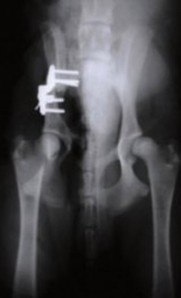
- These surgical procedures involve cutting the pelvic bone in two (DPO) to three places (TPO) and rotating the segments to improve coverage of the ball by the socket and decrease hip laxity (Figure 4).
- TPO has been used successfully in dogs and children for decades.
- Recent advancements in implant (locking plates and screws) technology now allow similar results with only two cuts made in the bone (DPO), thus a less invasive procedure.
- The best time to recognize pathologic hip laxity is when the young dog is neutered (spayed or castrated) between 6–8 months old. This can often be done by the primary care veterinarian who does the sterilization procedure.
- An x-ray must be taken, and the hips can be palpated for joint laxity.
- Immature dogs with lameness and early evidence of hip arthritis are not ideal candidates for DPO/TPO, nor are dogs with very severe hip laxity, as some puppies have no functional hip joint by 6 months of age.
Post Surgery:
Reported complications after DPO and TPO include screw loosening, change in limb range of motion, and pelvic canal narrowing. However, the incidence of complications is low and reports of long-term function are expected to be good to excellent.
Post DPO/TPO and THR Surgery:
Following both DPO/TPO and THR, the dog’s activity should be restricted to leash exercise outdoors and confinement to a small area indoors until the procedures are deemed healed (via examination and X-rays), generally six and eight weeks respectively.
- Most pets are weight bearing soon after surgery and require supervision to prevent overuse of the leg during the healing period.
- If necessary, use a sling for initial assistance with walking.
- The dog should avoid stairs, slippery surfaces and interactions with other dogs. To get back to normal, slowly increase activity after the initial period of restriction
TREATMENT 3 - Surgical Treatment Options (ACVS)
Treatment Option 3:
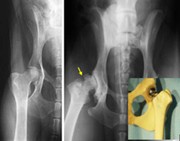
Total Hip Replacement (THR), the third surgical option, can be used in young dogs who cannot be successfully treated with JPS or DPO/TPO surgeries.
- They must be managed medically until they are mature enough for THR, at least a year old.
- THR, based on evidence-based medicine via multiple peer reviewed publications is the second surgical method that provides the most normal pain free function in dogs with CHD.
- This surgical procedure eliminates hip pain by reproducing the mechanics of a normal hip joint with a more natural range of motion and limb function.
- As with humans, canine THR involves replacement of both the ball and socket with metal and polyethylene (plastic) implants (Figure 6).
- These components are fixated in place with bone cement, metal pegs, or “press fit” (bone ingrowth) methods
Post Surgery:
THR results in an excellent chance of markedly improved limb function. Potential complications after THR include infection, hip dislocation, “loosening” of the implants over time, nerve injury, and femur fracture.
Post DPO/TPO and THR Surgery:
Following both DPO/TPO and THR, the dog’s activity should be restricted to leash exercise outdoors and confinement to a small area indoors until the procedures are deemed healed (via examination and X-rays), generally six and eight weeks respectively.
- Most pets are weight bearing soon after surgery and require supervision to prevent overuse of the leg during the healing period.
- If necessary, use a sling for initial assistance with walking.
- The dog should avoid stairs, slippery surfaces and interactions with other dogs. To get back to normal, slowly increase activity after the initial period of restriction
TREATMENT 4 - Surgical Treatment Options (ACVS)
Treatment Option 4:
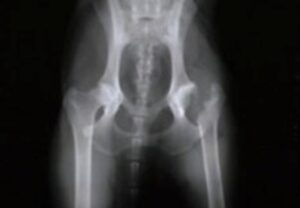
FHO: The last surgical option to alleviate the pain secondary to severe hip laxity/dysplasia is femoral head ostectomy (FHO) surgery.
- This surgical procedure can be done at any age and can provide enough comfort in a dog weighing less than 60–70 lbs to avoid the daily use of anti-inflammatory pain medication, thus avoiding costs and side effects that limit or negate its use.
- Young dogs that do not meet the criteria for DPO/TPO or JPS procedures, or dogs who do not respond satisfactorily to medical treatment alone may benefit from FHO.
- This technique involves removing the femoral portion of the hip joint (i.e., the ball) to reduce the pain produced by abnormal hip joint contact that wears away the joint cartilage, and the stretching of the soft tissues around the joint due to laxity (Figure 5).
- Following an FHO, a “false joint” develops with the muscles around the hip now transferring the forces from the leg to the pelvis during limb movement.
The goal of an FHO is to relieve the pain associated with CHD, not to maintain/recreate normal hip function.
- Two weeks following FHO surgery the puppy/adult dog is encouraged to exercise, often receiving anti-inflammatory drugs daily during the initial 1–2 months post-op. Then these drugs may only be necessary intermittently.
- FHO dogs must remain slim throughout their lives and follow a limited exercise program i.e. leash walks and confinement to the yard and house. They cannot be athletic dogs who hunt, do agility, high level obedience, run with their owners, etc.
- If those activities are what the owner wishes to do with their dog, then a THR would be necessary.
Post Surgery:
Results after FHO vary and are highly dependent upon patient size and proper postoperative physical rehabilitation.
- While many dogs will have varying degrees of lameness, function should improve when compared with preoperative status.
- After FHO, pets are encouraged to use the limb as soon as possible in a controlled manner.
- Aggressive physical rehabilitation and controlled exercise to increase hip range of motion are essential for an optimal outcome.
- It may take up to six weeks or longer after surgery for some dogs to show improvement.
Prevention
How To Prevent Hip Dysplasia in Dogs (PetMD)
How To Prevent Hip Dysplasia in Dogs – PetMD
You can help manage your dog’s risk of developing hip dysplasia and arthritis in several ways:
- Only purchase puppies at risk of hip dysplasia from breeders who screen their dogs for the condition.
- Feed large-breed puppies a large-breed puppy food until they are at least 12–18 months old.
- Talk to your veterinarian about the best time to start joint supplements for high-risk dogs. This promotes joint health and protect the cartilage of the joints.
- Work with your vet to make sure you keep your dog at a healthy weight.
How to Prevent Hip Dysplasia in Dogs (Good Rx)
How to Prevent Hip Dysplasia in Dogs – Good Rx
There are several things you can do to help prevent hip dysplasia or slow its progression.
- Early screening for breeders
- It’s important for breeders to have their dogs evaluated by a veterinarian prior to breeding. The dogs should have their hips X-rayed, and those X-rays should be submitted to the Orthopedic Foundation for Animals (OFA) or PennHIP.
- These organizations can provide official screening information that can help reduce the risk of passing on hip dysplasia from parents to puppies.
- Diet
- If you adopt a dog, work with your vet to identify a dog food that will help your puppy grow at a normal rate, rather than getting too big too quickly.
- Regular checkups
- “Routine exams for all dogs and X-ray screening in high-risk breeds can detect hip dysplasia early enough so that we may be able to intervene and improve the length and quality of life for our beloved canine companions,” Vibert said.
References
References
ACVS – American College of Veterinary Surgeons – Canine Hip Dysplasia
Canine Hip Dysplasia
AKC – American Kennel Club – Hip Dysplasia in Dogs: Signs, Symptoms, Treatment
By AKC Staff Updated: Jul 30, 2025
Hip Dysplasia in Dogs: Signs, Symptoms, Treatment
College of Veterinary Medicine – Canine Hip Dysplasia (CHD)
Dr. Aly Cohen Updated Nov. 2024
https://www.vet.cornell.edu/departments-centers-and-institutes/riney-canine-health-center/canine-health-information/canine-hip-dysplasia-chd
Daily Paws – Hip Dysplasia in Dogs: What You Need to Know
Know the signs of hip dysplasia in dogs and whether or not your dog’s breed is prone to the condition.
By Sarah Mouton Dowdy. Updated on September 19, 2025
Medically reviewed by Jenna Stregowski, RVT
https://www.dailypaws.com/dogs-puppies/health-care/senior-dog-health/hip-dysplasia
Good Rx – Hip Dysplasia in Dogs: An Owner’s Guide to Early Signs, Symptoms, and Treatment
Written by Paige Cerulli | Reviewed by Ghanasyam Bey, DVM
Updated on July 23, 2024
https://www.goodrx.com/pet-health/dog/hip-dysplasia-in-dogs
Merck Veterinary Manual (Pet Owner Version) – Hip Dysplasia
ByJoseph Harari, MS, DVM, DACVS, Veterinary Surgical Specialists, Spokane, WA
Reviewed/Revised Mar 2018 | Modified Sept 2024
https://www.merckvetmanual.com/dog-owners/bone-joint-and-muscle-disorders-of-dogs/hip-dysplasia
PetMD – Hip Dysplasia in Dogs
By Tiffany Tupler, DVM, CBCC-KA. Reviewed by Jennifer Coates, DVM
Updated Jun. 25, 2024
https://www.petmd.com/dog/conditions/musculoskeletal/hip-dysplasia-dogs
Vetericyn – Recognizing Trouble: 5 Warning Signs of Hip Dysplasia in Dogs
Reviewed by C. Scott Van Winkle November 21, 2023
Recognizing Trouble: 5 Warning Signs of Hip Dysplasia in Dogs
Arthritis/Breed Chart
| Breed | ORTHOPEDIC | Elbow Displasia | Hip Displasia | Legg-Calve-Perthes | Patella Luxation |
|---|---|---|---|---|---|
| Affenpinscher | Hip Displasia Legg-Calve-Perthes Patella Luxation | Hip Displasia | Legg-Calve-Perthes | Patella Luxation | |
| Afghan Hound | Hip Displasia | Hip Displasia | |||
| Airedale Terrier | Elbow Displasia Hip Displasia | Elbow Displasia | Hip Displasia | ||
| Akita (American) | Elbow Displasia Hip Displasia Patella Luxation | Elbow Displasia | Hip Displasia | Patella Luxation | |
| Alaskan Malamute | Elbow Displasia Hip Displasia | Elbow Displasia | Hip Displasia | ||
| American Eskimo, Toy and Standard | Elbow Displasia Hip Displasia Legg-Calve-Perthes Patella Luxation | Elbow Displasia | Hip Displasia | Legg-Calve-Perthes | Patella Luxation |
| American Foxhound | |||||
| American Pitt Bull Terrier | |||||
| American Staffordshire Terrier | Elbow Displasia Hip Displasia | Elbow Displasia | Hip Displasia | ||
| American Water Spaniel | Hip Displasia | Hip Displasia | |||
| Anatolian Shepherd Dog | Elbow Displasia Hip Displasia | Elbow Displasia | Hip Displasia | ||
| Australian Cattle Dog | Elbow Displasia Hip Displasia Patella Luxation | Elbow Displasia | Hip Displasia | Patella Luxation | |
| Australian Shepherd | Elbow Displasia Hip Displasia | Elbow Displasia | Hip Displasia | ||
| Australian Terrier | |||||
| Basenji | Hip Displasia | Hip Displasia | |||
| Basset Hound | |||||
| Beagle | Elbow Displasia Hip Displasia Patella Luxation | Elbow Displasia | Hip Displasia | Patella Luxation | |
| Bearded Collie | Hip Displasia | Hip Displasia | |||
| Beauceron | Elbow Displasia Hip Displasia | Elbow Displasia | Hip Displasia | ||
| Bedlington Terrier | |||||
| Belgian Groenendael | Elbow Displasia Hip Displasia | Elbow Displasia | Hip Displasia | ||
| Belgian Malinois | Elbow Displasia Hip Displasia | Elbow Displasia | Hip Displasia | ||
| Belgian Tervuren | Elbow Displasia Hip Displasia | Elbow Displasia | Hip Displasia | ||
| Bernese Mountain Dog | Elbow Displasia Hip Displasia | Elbow Displasia | Hip Displasia | ||
| Bichon Frise’ | Hip Displasia Legg-Calve-Perthes Patella Luxation | Hip Displasia | Legg-Calve-Perthes | Patella Luxation | |
| Black and Tan Coonhound | Elbow Displasia Hip Displasia | Elbow Displasia | Hip Displasia | ||
| Black Russian Terrier | Elbow Displasia Hip Displasia | Elbow Displasia | Hip Displasia | ||
| Bloodhound | Elbow Displasia Hip Displasia Patella Luxation | Elbow Displasia | Hip Displasia | Patella Luxation | |
| Boerboel | Hip Displasia | Hip Displasia | |||
| Border Collie | Elbow Displasia Hip Displasia | Elbow Displasia | Hip Displasia | ||
| Border Terrier | Hip Displasia Patella Luxation | Hip Displasia | Patella Luxation | ||
| Borzoi | Elbow Displasia Hip Displasia | Elbow Displasia | Hip Displasia | ||
| Boston Terrier | Patella Luxation | Patella Luxation | |||
| Bouvier des Flandres | Elbow Displasia Hip Displasia | Elbow Displasia | Hip Displasia | ||
| Boxer | Hip Displasia | Hip Displasia | |||
| Briard | Elbow Displasia Hip Displasia | Elbow Displasia | Hip Displasia | ||
| Brittany | Elbow Displasia Hip Displasia | Elbow Displasia | Hip Displasia | ||
| Brussels Griffon | Hip Displasia Patella Luxation | Hip Displasia | Patella Luxation | ||
| Bull Terrier | Patella Luxation | Patella Luxation | |||
| Bull Terrier, Miniature | |||||
| Bulldog, English | Elbow Displasia Hip Displasia Patella Luxation | Elbow Displasia | Hip Displasia | Patella Luxation | |
| Bullmastiff | Elbow Displasia Hip Displasia | Elbow Displasia | Hip Displasia | ||
| Cairn Terrier | Patella Luxation | Patella Luxation | |||
| Canaan Dog | Elbow Displasia Hip Displasia Patella Luxation | Elbow Displasia | Hip Displasia | Patella Luxation | |
| Cane Corso (Italian Mastiff) | Elbow Displasia Hip Displasia Patella Luxation | Elbow Displasia | Hip Displasia | Patella Luxation | |
| Caucasian Shepherd | Elbow Displasia Hip Displasia Patella Luxation | Elbow Displasia | Hip Displasia | Patella Luxation | |
| Cavalier King Charles Spaniel | Hip Displasia Patella Luxation | Hip Displasia | Patella Luxation | ||
| Chesapeake Bay Retriever | Elbow Displasia Hip Displasia | Elbow Displasia | Hip Displasia | ||
| Chihuahua | Patella Luxation | Patella Luxation | |||
| Chinese Shar-Pei | Elbow Displasia Hip Displasia Patellar Luxation | Elbow Displasia | Hip Displasia | Patella Luxation | |
| Chinese Crested | Elbow Displasia Hip Displasia Legg-Calve-Perthes | Elbow Displasia | Hip Displasia | Legg-Calve-Perthes | |
| Chow Chow | Elbow Displasia Hip Displasia Patella Luxation | Elbow Displasia | Hip Displasia | Patella Luxation | |
| Clumber Spaniel | Elbow Displasia Hip Displasia | Elbow Displasia | Hip Displasia | ||
| Cocker Spaniel (American) | Hip Displasia | Hip Displasia | |||
| Collie, Rough / Smooth Coat | |||||
| Curly Coated Retriever | Elbow Displasia Hip Displasia | Elbow Displasia | Hip Displasia | ||
| Dachshund | Patella Luxation | Patella Luxation | |||
| Dalmation | Hip Displasia | Hip Displasia | |||
| Dandie Dinmont Terrier | |||||
| Doberman Pinscher | Hip Displasia | Hip Displasia | |||
| Dogo Argentino | Hip Displasia | Hip Displasia | |||
| Dogue de Bordeaux (Mastiff) | Elbow Displasia Hip Displasia Patella Luxation | Elbow Displasia | Hip Displasia | Patella Luxation | |
| English Cocker Spaniel | Hip Displasia Patella Luxation | Hip Displasia | Patella Luxation | ||
| English Foxhound | |||||
| English Setter | Elbow Displasia Hip Displasia | Elbow Displasia | Hip Displasia | ||
| English Springer Spaniel | Elbow Displasia Hip Displasia | Elbow Displasia | Hip Displasia | ||
| English Toy Spaniel AKA King Charles Spaniel | Patella Luxation | Patella Luxation | |||
| Field Spaniel | Elbow Displasia Hip Displasia Patella Luxation | Elbow Displasia | Hip Displasia | Patella Luxation | |
| Finnish Spitz | |||||
| Flat-Coated Retriever | Hip Displasia Patellar Luxation | Hip Displasia | Patella Luxation | ||
| Fox Terrier, Smooth | Patella Luxation | Patella Luxation | |||
| Fox Terrier, Toy | Legg-Calve-Perthes Patellar Luxation | Legg-Calve-Perthes | Patella Luxation | ||
| Fox Terrier, Wire | Patella Luxation | Patella Luxation | |||
| French Bulldog | Elbow Displasia Hip Displasia Patella Luxation | Elbow Displasia | Hip Displasia | Patella Luxation | |
| German Pinscher | Hip Displasia | Hip Displasia | |||
| German Shepherd | Elbow Displasia Hip Displasia | Elbow Displasia | Hip Displasia | ||
| German Shorthaired Pointer | Elbow Displasia Hip Displasia | Elbow Displasia | Hip Displasia | ||
| German Wirehaired Pointer | Elbow Displasia Hip Displasia | Elbow Displasia | Hip Displasia | ||
| Glen of Imaal Terrier | Elbow Displasia Hip Displasia | Elbow Displasia | Hip Displasia | ||
| Golden Retriever | Elbow Displasia Hip Displasia | Elbow Displasia | Hip Displasia | ||
| Gordon Setter | Elbow Displasia Hip Displasia | Elbow Displasia | Hip Displasia | ||
| Great Dane | Hip Displasia | Hip Displasia | |||
| Great Pyrenees | Elbow Displasia Hip Displasia Patella Luxation | Elbow Displasia | Hip Displasia | Patella Luxation | |
| Greater Swiss Mountain Dog | Elbow Displasia Hip Displasia Shoulder Dysplasia | Elbow Displasia | Hip Displasia | ||
| Greyhound | |||||
| Harrier | Hip Displasia | Hip Displasia | |||
| Havanese | Hip Displasia Patellar Luxation | Hip Displasia | Patella Luxation | ||
| Ibizan Hound | Hip Displasia | Hip Displasia | |||
| Irish Setter | Hip Displasia | Hip Displasia | |||
| Irish Terrier | |||||
| Irish Water Spaniel | Elbow Displasia Hip Displasia | Elbow Displasia | Hip Displasia | ||
| Irish Wolfhound | Elbow Displasia Hip Displasia | Elbow Displasia | Hip Displasia | ||
| Italian Greyhound | Hip Displasia Legg-Calve-Perthes Patellar Luxation | Hip Displasia | Legg-Calve-Perthes | Patella Luxation | |
| Japanese Chin | Patella Luxation | Patella Luxation | |||
| Keeshond | Elbow Displasia Hip Displasia Patellar Luxation | Elbow Displasia | Hip Displasia | Patella Luxation | |
| Kerry Blue Terrier | Hip Displasia | Hip Displasia | |||
| Komondor | Hip Displasia | Hip Displasia | |||
| Kuvasz | Elbow Displasia Hip Displasia Patella Luxation | Elbow Displasia | Hip Displasia | Patella Luxation | |
| Labrador Retriever | Elbow Displasia Hip Displasia | Elbow Displasia | Hip Displasia | ||
| Lakeland Terrier | |||||
| Lhasa Apso | |||||
| Lowchen | Hip Displasia Patella Luxation | Hip Displasia | Patella Luxation | ||
| Maltese | Patella Luxation | Patella Luxation | |||
| Manchester Terrier Toy | Legg-Calve-Perthes Patella Luxation | Legg-Calve-Perthes | Patella Luxation | ||
| Manchester Terrier, Standard | Legg-Calve-Perthes Patella Luxation | Legg-Calve-Perthes | Patella Luxation | ||
| Mastiff | Elbow Displasia Hip Displasia Patella Luxation | Elbow Displasia | Hip Displasia | Patella Luxation | |
| Miniature Pincher | Legg-Calve-Perthes Patella Luxation | Legg-Calve-Perthes | Patella Luxation | ||
| Neapolitan Mastiff | Elbow Displasia Hip Displasia | Elbow Displasia | Hip Displasia | ||
| Newfoundland | Elbow Displasia Hip Displasia | Elbow Displasia | Hip Displasia | ||
| Norfolk Terrier | Hip Displasia Patellar Luxation | Hip Displasia | Patella Luxation | ||
| Norwegian Buhund | Hip Displasia | Hip Displasia | |||
| Norwegian Elkhound | Hip Displasia Patellar Luxation | Hip Displasia | Patella Luxation | ||
| Norwich Terrier | Hip Displasia Patellar Luxation | Hip Displasia | Patella Luxation | ||
| Nova Scotia Duck Tolling Retriever | Hip Displasia | Hip Displasia | |||
| Old English Sheepdog | Hip Displasia | Hip Displasia | |||
| Otterhound | Elbow Displasia Hip Displasia | Elbow Displasia | Hip Displasia | ||
| Papillon | Patellar Luxation | Patella Luxation | |||
| Parsons Russell Terrier | Patellar Luxation | Patella Luxation | |||
| Pekingese | |||||
| Petit Basset Griffon Vendeen (PBGV) | |||||
| Pharaoh Hound | Hip Displasia Patellar Luxation | Hip Displasia | Patella Luxation | ||
| Plott Hound | |||||
| Pointer | Elbow Displasia Hip Displasia | Elbow Displasia | Hip Displasia | ||
| Polish Lowland Sheepdog | Hip Displasia | Hip Displasia | |||
| Pomeranian | Hip Displasia Legg-Calve-Perthes Patella Luxation | Hip Displasia | Legg-Calve-Perthes | Patella Luxation | |
| Poodle, Miniature | Hip Displasia Patellar Luxation | Hip Displasia | Patella Luxation | ||
| Poodle, Standard | Hip Displasia | Hip Displasia | |||
| Poodle, Toy | Patella Luxation | Patella Luxation | |||
| Portuguese Water Dog | Hip Displasia Patella Luxation | Hip Displasia | Patella Luxation | ||
| Presa Canario | Hip Displasia | Hip Displasia | |||
| Pug | Elbow Displasia Hip Displasia Patella Luxation | Elbow Displasia | Hip Displasia | Patella Luxation | |
| Puli | Elbow Displasia Hip Displasia Patella Luxation | Elbow Displasia | Hip Displasia | Patella Luxation | |
| Pyrenean Shepherd | Elbow Displasia Hip Displasia | Elbow Displasia | Hip Displasia | ||
| Rhodesian Ridgeback | Elbow Displasia Hip Displasia | Elbow Displasia | Hip Displasia | ||
| Rottweiler | Elbow Displasia Hip Displasia | Elbow Displasia | Hip Displasia | ||
| Saluki | Hip Displasia | Hip Displasia | |||
| Samoyed | Hip Displasia | Hip Displasia | |||
| Schipperke | Hip Displasia Patella Luxation | Hip Displasia | Patella Luxation | ||
| Schnauzer, Miniature | |||||
| Schnauzer, Giant | Elbow Displasia Hip Displasia | Elbow Displasia | Hip Displasia | ||
| Schnauzer, Standard | Hip Displasia | Hip Displasia | |||
| Scottish Deerhound | Hip Displasia | Hip Displasia | |||
| Scottish Terrier | |||||
| Sealyham Terrier | |||||
| Shetland Sheepdog | Hip Displasia Patella Luxation | Hip Displasia | Patella Luxation | ||
| Shiba Inu | Hip Displasia Patella Luxation | Hip Displasia | Patella Luxation | ||
| Shih Tzu | Hip Displasia Patella Luxation | Hip Displasia | |||
| Siberian Husky | Elbow Displasia Hip Displasia | Elbow Displasia | Hip Displasia | ||
| Silky Terrier | Patellar Luxation | Patella Luxation | |||
| Skye Terrier | |||||
| Soft-Coated Wheaten Terrier | Elbow Displasia Hip Displasia | Elbow Displasia | Hip Displasia | ||
| Spinone Italiano | Elbow Displasia Hip Displasia | Elbow Displasia | Hip Displasia | ||
| St. Bernard | Elbow Displasia Hip Displasia | Elbow Displasia | Hip Displasia | ||
| Staffordshire Bull Terrier | Elbow Displasia Hip Displasia Patella Luxation | Elbow Displasia | Hip Displasia | Patella Luxation | |
| Sussex Spaniel | |||||
| Swedish Vallhund | Hip Displasia | Hip Displasia | |||
| Tibetan Mastiff | Elbow Displasia Hip Displasia | Elbow Displasia | Hip Displasia | ||
| Tibetan Spaniel | Patellar Luxation | Patella Luxation | |||
| Tibetan Terrier | Elbow Displasia Hip Displasia Patellar Luxation | Elbow Displasia | Hip Displasia | Patella Luxation | |
| Tosa | Hip Displasia | Hip Displasia | |||
| Vizsla | Elbow Displasia Hip Displasia Patellar Luxation | Elbow Displasia | Hip Displasia | Patella Luxation | |
| Weimaraner | Elbow Displasia Hip Displasia | Elbow Displasia | Hip Displasia | ||
| Welsh Corgi, Cardigan | Hip Displasia | Hip Displasia | |||
| Welsh Corgi, Pembroke | Hip Displasia | Hip Displasia | |||
| Welsh Springer Spaniel | Elbow Displasia Hip Displasia | Elbow Displasia | Hip Displasia | ||
| Welsh Terrier | |||||
| West Highland White Terrier | Hip Displasia Patellar Luxation | Hip Displasia | Patella Luxation | ||
| Whippet | Hip Displasia | Hip Displasia | |||
| Wirehaired Pointing Griffon | Elbow Displasia Hip Displasia | Elbow Displasia | Hip Displasia | ||
| Yorkshire Terrier | Hip Displasia Legg-Calve-Perthes Patellar Luxation | Hip Displasia | Legg-Calve-Perthes | Patella Luxation |