Canine Legg-Calve-Perthes
Description, Diagnosis, Causes
Research, Resources & Education
This website is based on research and is NOT created to diagnose your pet.
Each animal is an individual and may exhibit symptoms in a different way.
It is advised that you ALWAYS CHECK WITH YOUR VETERINARIAN for a proper diagnosis and treatment plan.
Table of Contents
Canine Legg-Calve-Perthes
Legg-Calve-Perthes aka Aseptic Necrosis, a deterioration of the femoral head seen in young miniature and small breeds of dogs, is associated with ischemia and avascular necrosis of the bone. The exact cause is unknown, although there may be a hereditary component in Manchester Terriers.
Infarction of the bone leads to collapse of the femoral head and neck, followed by revascularization, resorption, and remodeling. The lesion is often bilateral.
(Merck Veterinary Manual)
This section includes the description of Legg-Calve-Perthes, Causes, Breeds at Risk, Prevention, Management, Treatment and possible Surgeries.
What Dogs are at Risk?
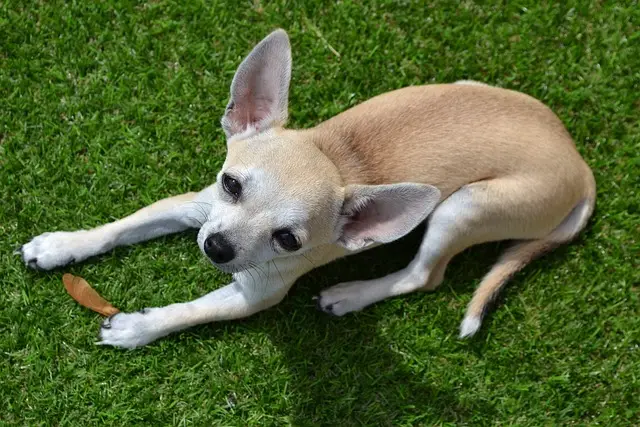
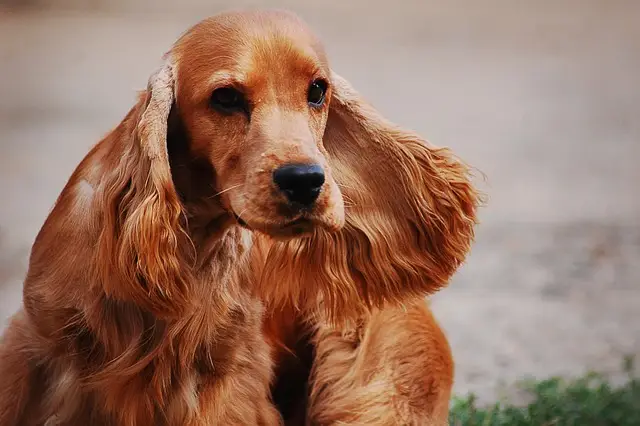
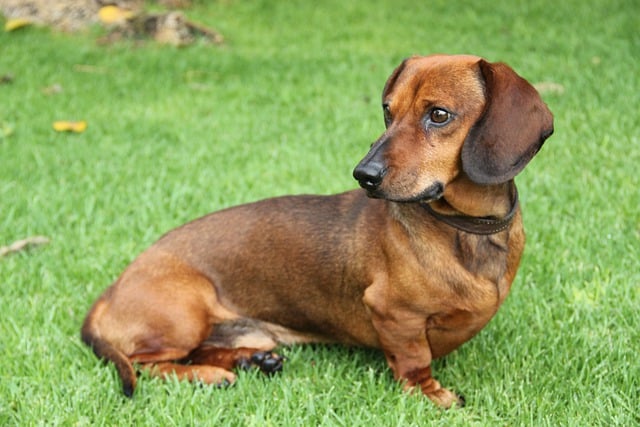
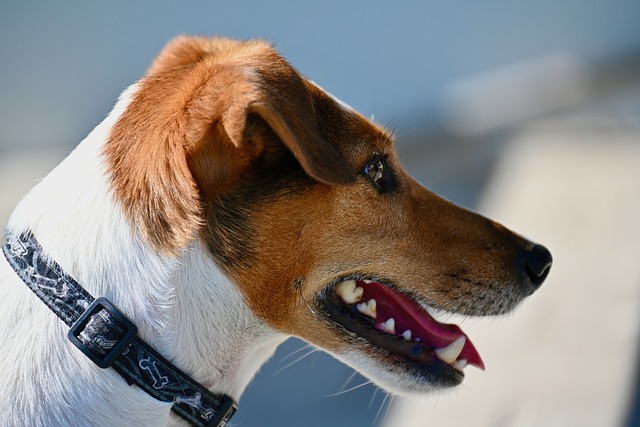
Some Dogs that are at Risk due to Genetic Predisposition
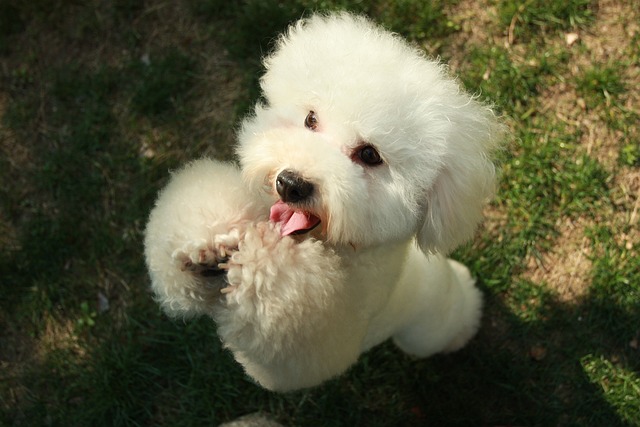
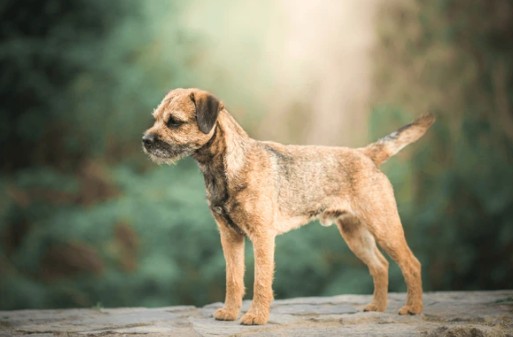
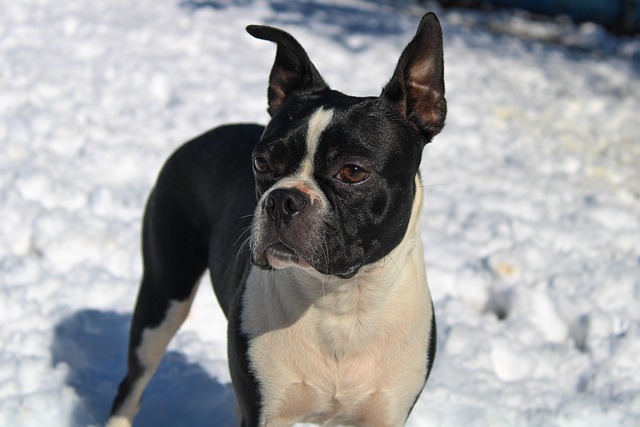
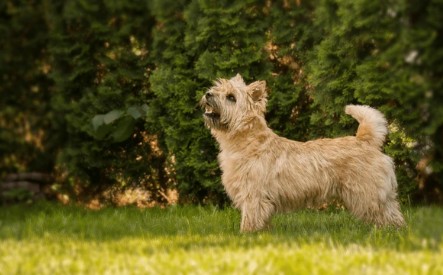
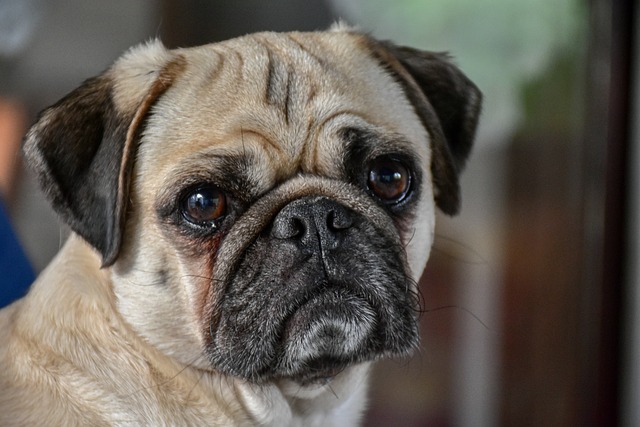
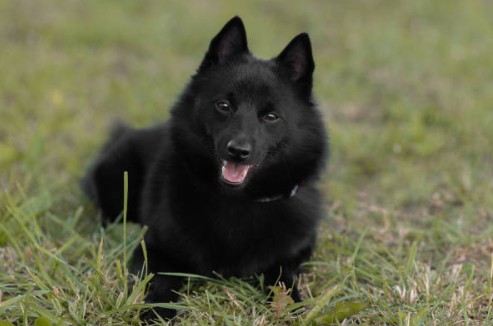
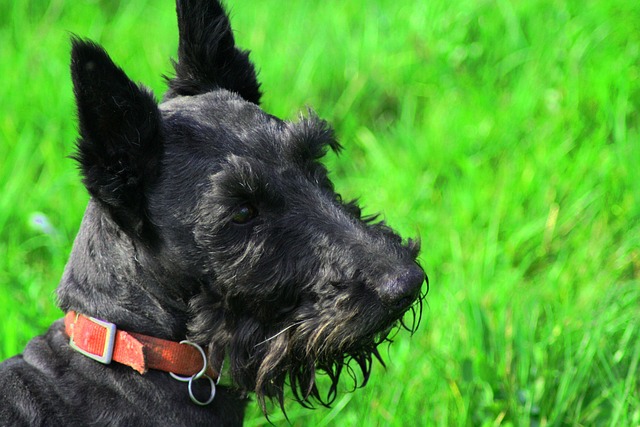
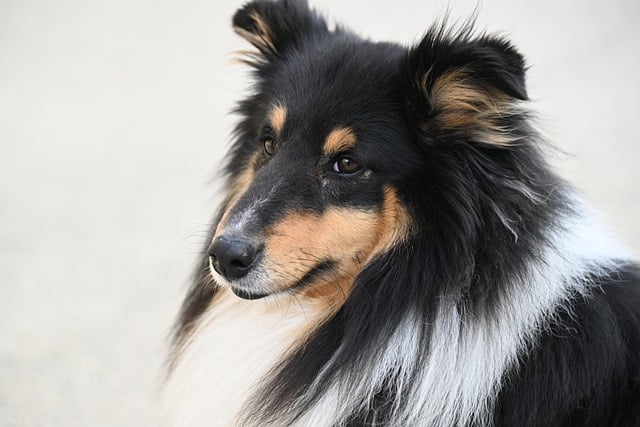
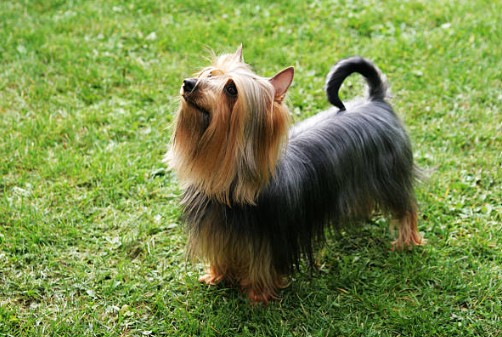
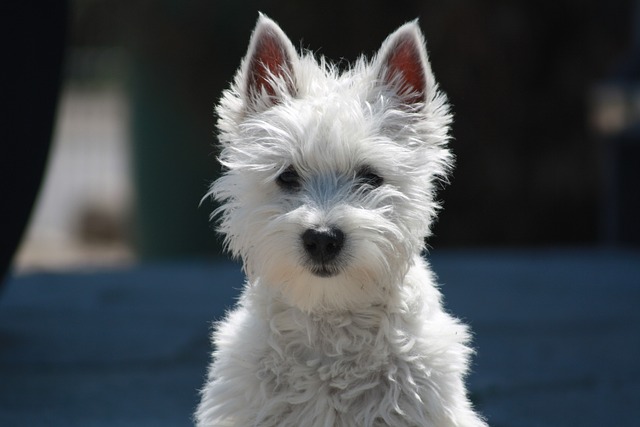
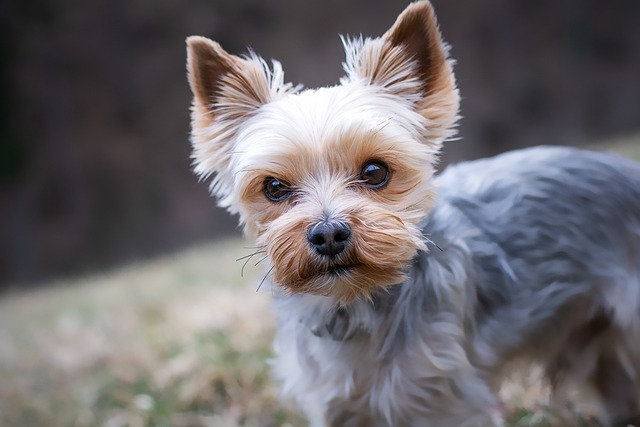
EXAMPLES of BREEDS at RISK
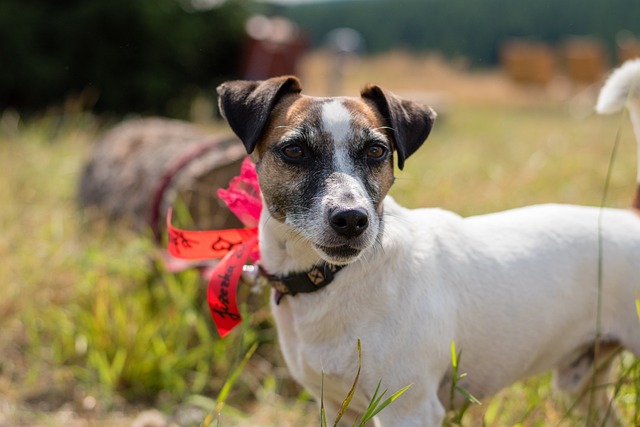
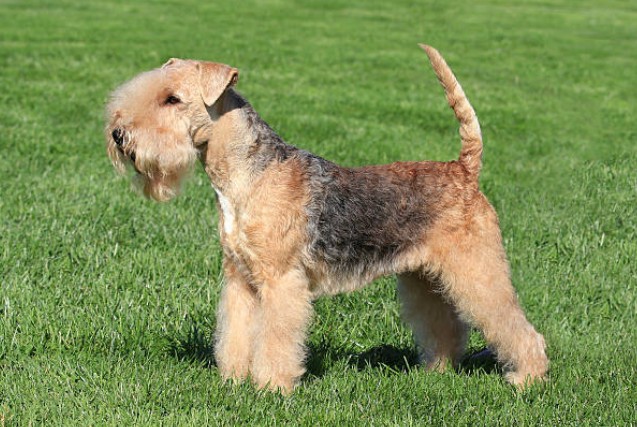
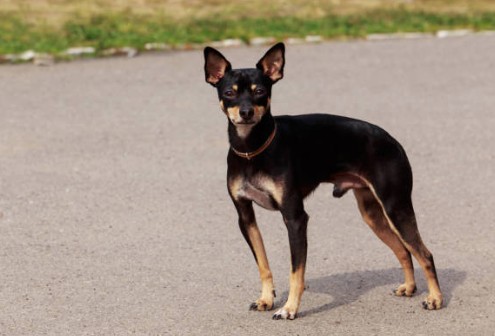
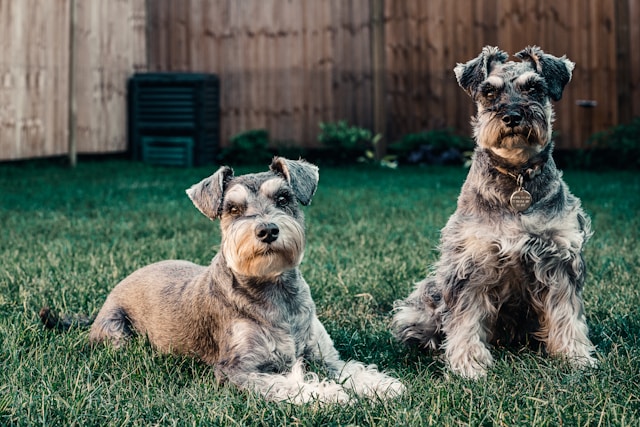
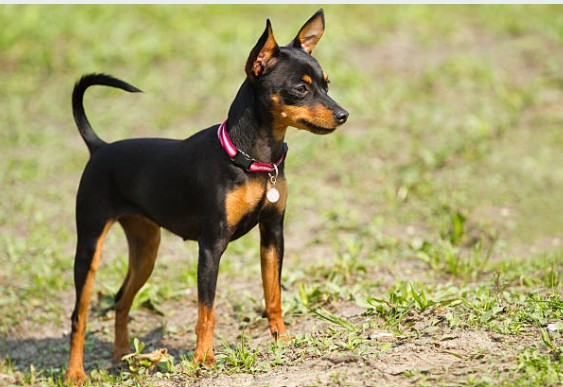
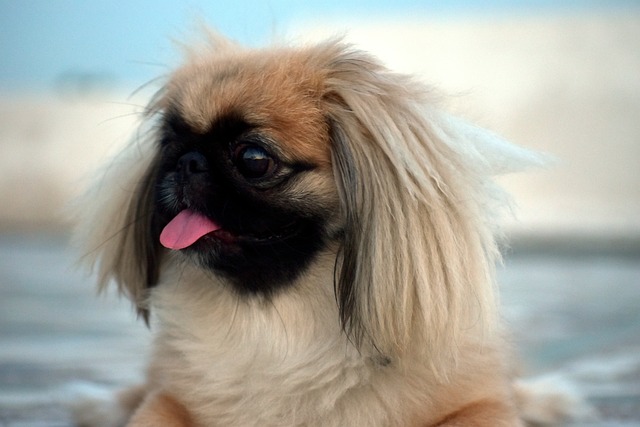
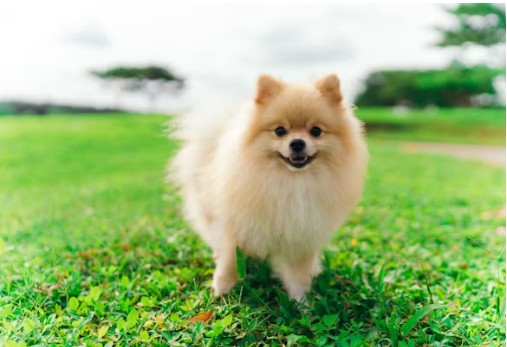
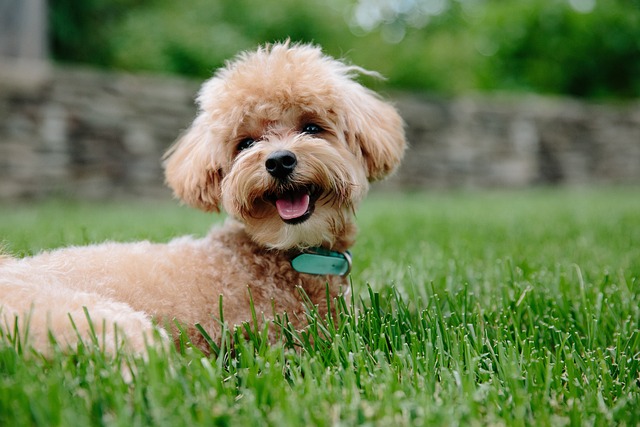
What is Legg-Calve-Perthes
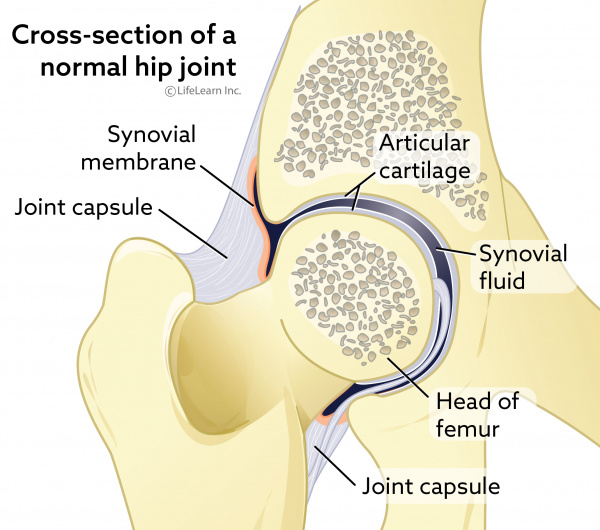
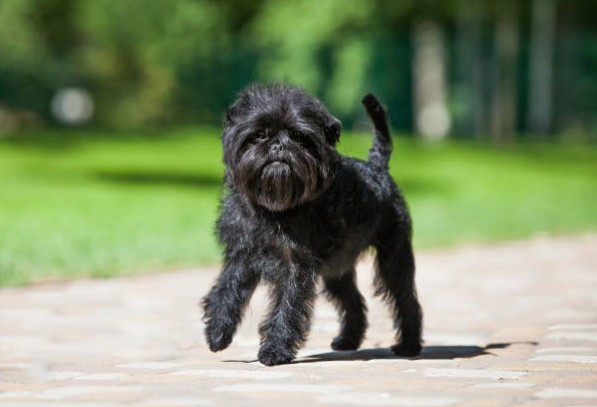
What is Legg-Calve-Perthes Disease (College of Veterinary Medicine)
What is Legg-Calve-Perthes Disease – College of Veterinary Medicine
Legg-Calve-Perthes disease typically shows up in small dog breeds, striking when dogs are just months old.
- It occurs when the ball at the top of the femur loses its blood supply and breaks down inside the hip joint. The only solutions are an invasive surgery to remove the ball of the femur—or a total hip replacement—which is expensive and traumatic for the dog.
- The condition occasionally affects humans, but the trigger causing the blood loss and degeneration remains a mystery despite years of research. Some have proposed that a clotting disorder or a prior injury may be to blame.
What Is Legg-Calve-Perthes Disease in Dogs? (PetMD)
What Is Legg-Calve-Perthes Disease in Dogs? PetMD
Legg-Calve-Perthes disease in dogs is an orthopedic condition that primarily affects young pups—typically those less than 1 year old—while they are still growing.
- The head of the femur—the long bone in a dog’s hind leg that connects to the hip—loses blood supply, which causes bone death and significant joint changes.
- This may include a flattened femur, thickening of the cartilage around the joint, and ultimately osteoarthritis.
- These changes are permanent and can’t be cured. This condition is very painful for dogs and results in movement issues, such as limping.
- Usually only one hind leg is affected, but it can affect both legs in some dogs.
- Legg-Calve-Perthes disease in dogs is most common in small and miniature breeds—such as Yorkshire Terriers and Shih Tzu—although the disease is rare overall.
- Males and females are equally likely to be affected.
Aseptic Necrosis of the Femoral Head in Dogs (Merck Veterinary Manual)
Aseptic Necrosis of the Femoral Head in Dogs – Merck Veterinary Manual
Aseptic necrosis, a deterioration of the femoral head seen in young miniature and small breeds of dogs, is associated with ischemia and avascular necrosis of the bone.
- The exact cause is unknown, although there may be a hereditary component in Manchester Terriers.
- Infarction of the bone leads to collapse of the femoral head and neck, followed by revascularization, resorption, and remodeling.
- The lesion is often bilateral.
Legg-Calve-Perthes Videos
YouTube Videos that help explain Legg-Calve-Perthes in Dogs
Disclaimer:
This is for research only and Lost Temple Pets does not endorse any video presented on this website.
It is advised that you ALWAYS CHECK WITH YOUR VETERINARIAN for a proper diagnosis and treatment plan.
Playlist
Causes / Risks
Causes of Legg-Calve-Perthes Disease in Dogs (Wag!)
Causes of Legg-Calve-Perthes Disease in Dogs – Wag!
Various hypotheses exist among experts as to what causes LCP in dogs. Even Legg, Calvé, and Perthes, the three people who identified the disease, had differing ideas about its cause.
The following are some of the hypotheses about what causes LCP:
- The disease could be related to a vascular problem and limited blood supply going to the femur bone area.
- Adequate blood supply is needed to bring nutrients and oxygen to, and remove waste from, the hip joint. Legg supported this hypothesis, which seems to be the most commonly supported hypothesis.
- Some experts believe dogs inherit LCP from their parents or other previous generations but are unsure how that happens.
- LCP could be caused by an endocrine system disorder.
- Rickets could cause LCP. This is what Calvé believed.
- Infective degenerative arthritis could cause LCP. Perthes supported this hypothesis.
Signs & Symptoms
Symptoms of Legg-Calve-Perthes Disease in Dogs (Spruce Pets, The)
Symptoms of Legg-Calve-Perthes Disease in Dogs – Spruce Pets (The)
The symptoms of LCPD may be subtle at first but will progressively become more apparent as the degeneration worsens.
Symptoms:
- Lameness or limping that gets gradually worse
- Stiffness in one or both rear limbs
- Licking or chewing the skin over the hip area
- Muscle atrophy in the affected limb
- Reclusiveness, restlessness, lethargy, anxiety, or aggressive behavior (due to pain)
- Pain upon manipulation of hip joint
- Grating or popping sounds and sensations when joint is manipulated (called crepitus)
Signs:
The signs of Legg-Calve-Perthes disease often begin with mild lameness that gets steadily worse over weeks to months.
- As the disease progresses, pain and stiffness will become more noticeable and muscle atrophy will develop.
- The dog will eventually stop bearing any weight on the affected limb due to pain and weakness.
- The typical onset of signs is between five and eight months of age.
Diagnoses & Evaluation
How Veterinarians Diagnose Legg-Calve-Perthes Disease in Dogs (PetMD)
How Veterinarians Diagnose Legg-Calve-Perthes Disease in Dogs – PetMD
A veterinarian begins with a thorough physical exam, including feeling the dog’s joints, checking range of motion, and watching the dog walk.
- When the veterinarian collects a history, the pet parent should mention when symptoms started and if their dog has had any recent trauma or injury.
- If the veterinarian suspects a joint issue, an X-ray will be taken of the affected limb.
- This is a relatively quick test where radiation is used to create detailed pictures of the leg bones.
- Some dogs may need sedation to help them stay still and calm for radiographs.
- If a dog has Legg-Calve-Perthes disease, the X-ray will show changes to the top of the femur that sits in the hip joint, such as deformed areas, breaks, or osteoarthritis.
- The patella (kneecap) may also be positioned abnormally.
How is it diagnosed? (VCA)
How is it diagnosed? VCA
Diagnosis is based on clinical signs and medical history.
- The most common clinical signs are slowly progressing hind limb lameness, with resulting inability to bear weight on the affected limb or both hind limbs.
- Rarely, it may begin in one leg and progress to both legs, especially in young pets.
- On clinical examination there is usually reduced hip joint movement, lack of muscle mass and apparent limb shortening.
- Owners often report that their pet has become increasingly irritable because of pain in the joint.
Diagnosis is made by performing radiographs (X-rays) of the hip joint. Radiographs will show a misshapen appearance to the femoral head.
Treatment, Surgeries & Recovery
Treatment, Surgery & Recovery of Legg-Calve-Perthes Disease in Dogs - PetMD
Treatment of Legg-Calve-Perthes Disease in Dogs – PetMD
In mild cases of Legg-Calve-Perthes disease in dogs, pups will be treated with non-steroidal anti-inflammatories, such as Metacam®, and will have an exercise restriction for two months.
- Dogs should be prevented from running, jumping, or bearing any weight on the affected leg. Pet parents may need to use a sling to help the dog walk for potty breaks.
- Pet parents should be aware that the disease may get more severe and later need surgery if starting with oral medications.
Surgery
Surgery may be needed to fix the affected leg, especially in severe cases.
- A type of surgery called a femoral head and neck ostectomy can be done to remove the diseased part of the femur so that it is no longer part of the hip joint.
- The hip joint can be described as a ball and socket, and this surgery removes the ball (head of the femur) while leaving the socket (part of the hip).
- This surgery is typically done only for small-breed dogs. It’s not generally done for overweight dogs, as the extra weight puts unwanted stress on this unstable joint during recovery.
- A total hip replacement would be a better choice for large-breed or overweight dogs since the entire joint is replaced, providing more stability.
- After surgery, physical therapy is needed to make sure scar tissue forms well enough to stabilize the joint, and that the dog’s mobility returns.
Recovery and Management of Legg-Calve-Perthes Disease in Dogs
Recovery is a slow process as scar tissue must form to stabilize the hip joint. This can take two to three months.
- It’s important that pet parents bring their dog to all follow-up appointments, including physical therapy sessions, to make sure the joint is healing well.
- If surgery was done, a recovery collar should be used to keep your dog from chewing at the incision (cut). Pet parents should follow their veterinarian’s instructions closely to make sure their dog is comfortable during recovery.
- Pet parents should not allow their dog to run or jump during recovery.
- A short leash should be used for potty breaks, and dogs should not be allowed to play with other pets while they recover.
- The outlook for most dogs is generally good following treatment.
- However, it’s common for dogs to develop osteoarthritis in the affected limb.
- For this reason, many dogs need long-term medications to control pain and inflammation (swelling).
- Options may include Previcox®, Metacam®, Rimadyl®, or gabapentin.
- Dogs with osteoarthritis benefit from orthopedic dog beds to cushion their joints as well.
- For this reason, many dogs need long-term medications to control pain and inflammation (swelling).
What is the Treatment? VCA
What is the Treatment? VCA
The treatment of choice is femoral head and neck ostectomy (FHO) or surgical removal of the femoral head and neck.
- Because the condition often affects young, small breed dogs, it is often unnecessary to replace the hip joint.
- Larger dogs with Legg-Calve-Perthes disease may require a total hip replacement.
What happens to the joint if part of the hip is removed?
Healing involves the laying down of fibrous tissue and in a very short time a false joint is created.
Within months, most dogs are running and playing as if nothing happened.
Can complications occur with the surgery?
Complications are rare following this type of surgery.
- A small percentage of dogs will always experience some limping or discomfort and may require long-term anti-inflammatory medication.
- Others may require a second surgery to remove any residual bone spurs that may cause discomfort.
- Physical rehabilitation beginning shortly after surgery can help improve your dog’s recovery and mobility.
Prevention
How to Prevent Legg-Calve-Perthes Disease (Spruce Pets, The)
How to Prevent Legg-Calve-Perthes Disease – Spruce Pets (The)
Aside from avoiding traumatic injuries, there is not much you can do to prevent the disease from developing in a dog you already have. However, you can avoid putting your dog through the worst of the symptoms by going to the vet soon after signs appear.
It is important not to breed a dog with Legg-Calve-Perthes disease to avoid passing on the gene. Instead, dogs with Legg-Calve-Perthes disease should be spayed or neutered.
- Responsible breeders often test the hips of dog breeds predisposed to Legg-Calve-Perthes disease before breeding them.
- Testing can be done by submitting radiographs to the Orthopedic Foundation for Animals (OFA) where they can be reviewed for signs of LCPD and hip dysplasia.
- If you are buying a small dog breed from a breeder, ask if the parents’ hips have been examined by a vet, ideally via the OFA.
References
References
College of Veterinary Medicine – Getting closer to the cause of Legg-Calve-Perthes disease
By Patricia Waldron October 19, 2021
https://www.vet.cornell.edu/about-us/news/20211019/getting-closer-cause-legg-calve-perthes-disease
Merck Veterinary Manual (Professional Version) – Aseptic Necrosis of the Femoral Head in Dogs (Legg-Calvé-Perthes Disease)
By Joseph Harari, MS, DVM, DACVS, Veterinary Surgical Specialists, Spokane, WA
Reviewed/Revised Nov 2020 | Modified Oct 2024
OFA – Orthopedic Foundation for Animals – What is Legg-Calve-Perthes Disease (LCP)?
https://ofa.org/diseases/other-phenotypic-evaluations/legg-calve-perthes/
PetMD – Legg-Calve-Perthes Disease in Dogs
By Brittany Kleszynski, DVM Published May 28, 2024
https://www.petmd.com/dog/conditions/musculoskeletal/legg-calve-perthes-disease-dogs
Spruce Pets (The) – Legg-Calve-Perthes Disease in Dogs
(Causes, Treatment, and Prevention)
By Jenna Stregowski; Updated on 06/21/23; Reviewed by Juliane Evans
https://www.thesprucepets.com/legg-calve-perthes-disease-dogs-4774689
VCA Animal Hospitals – Legg-Calve-Perthes Disease
By Krista Williams, BSc, DVM, CCRP; Tammy Hunter, DVM; Ernest Ward, DVM
https://vcahospitals.com/know-your-pet/necrosis-of-the-femoral-head-in-dogs
Wag! – Legg-Calve-Perthes Disease in Dogs
https://wagwalking.com/condition/legg-calve-perthes
Arthritis/Breed Chart
| Breed | ORTHOPEDIC | Elbow Displasia | Hip Displasia | Legg-Calve-Perthes | Patella Luxation |
|---|---|---|---|---|---|
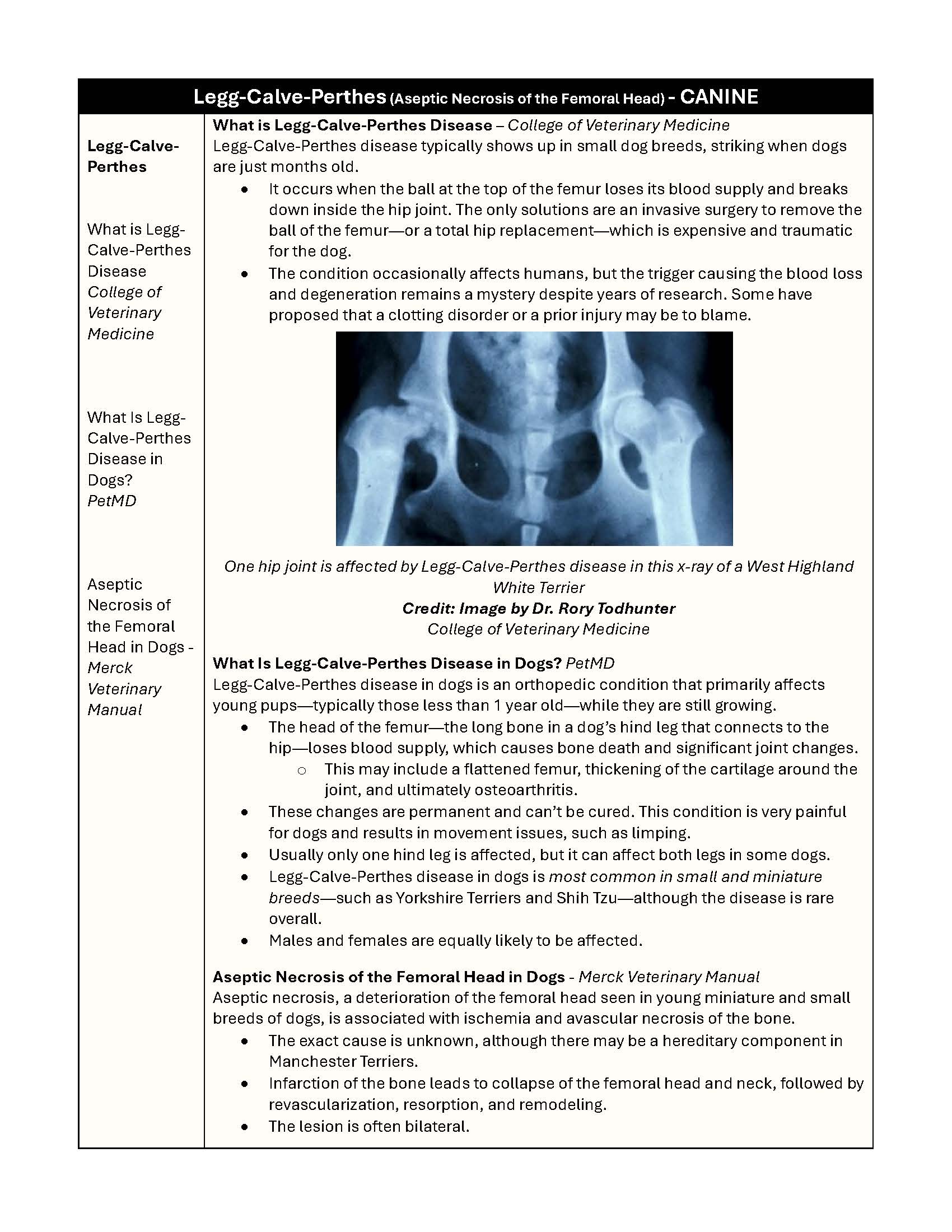
| Affenpinscher | Hip Displasia Legg-Calve-Perthes Patella Luxation | Hip Displasia | Legg-Calve-Perthes | Patella Luxation | |
| Afghan Hound | Hip Displasia | Hip Displasia | |||
| Airedale Terrier | Elbow Displasia Hip Displasia | Elbow Displasia | Hip Displasia | ||
| Akita (American) | Elbow Displasia Hip Displasia Patella Luxation | Elbow Displasia | Hip Displasia | Patella Luxation | |
| Alaskan Malamute | Elbow Displasia Hip Displasia | Elbow Displasia | Hip Displasia | ||
| American Eskimo, Toy and Standard | Elbow Displasia Hip Displasia Legg-Calve-Perthes Patella Luxation | Elbow Displasia | Hip Displasia | Legg-Calve-Perthes | Patella Luxation |
| American Foxhound | |||||
| American Pitt Bull Terrier | |||||
| American Staffordshire Terrier | Elbow Displasia Hip Displasia | Elbow Displasia | Hip Displasia | ||
| American Water Spaniel | Hip Displasia | Hip Displasia | |||
| Anatolian Shepherd Dog | Elbow Displasia Hip Displasia | Elbow Displasia | Hip Displasia | ||
| Australian Cattle Dog | Elbow Displasia Hip Displasia Patella Luxation | Elbow Displasia | Hip Displasia | Patella Luxation | |
| Australian Shepherd | Elbow Displasia Hip Displasia | Elbow Displasia | Hip Displasia | ||
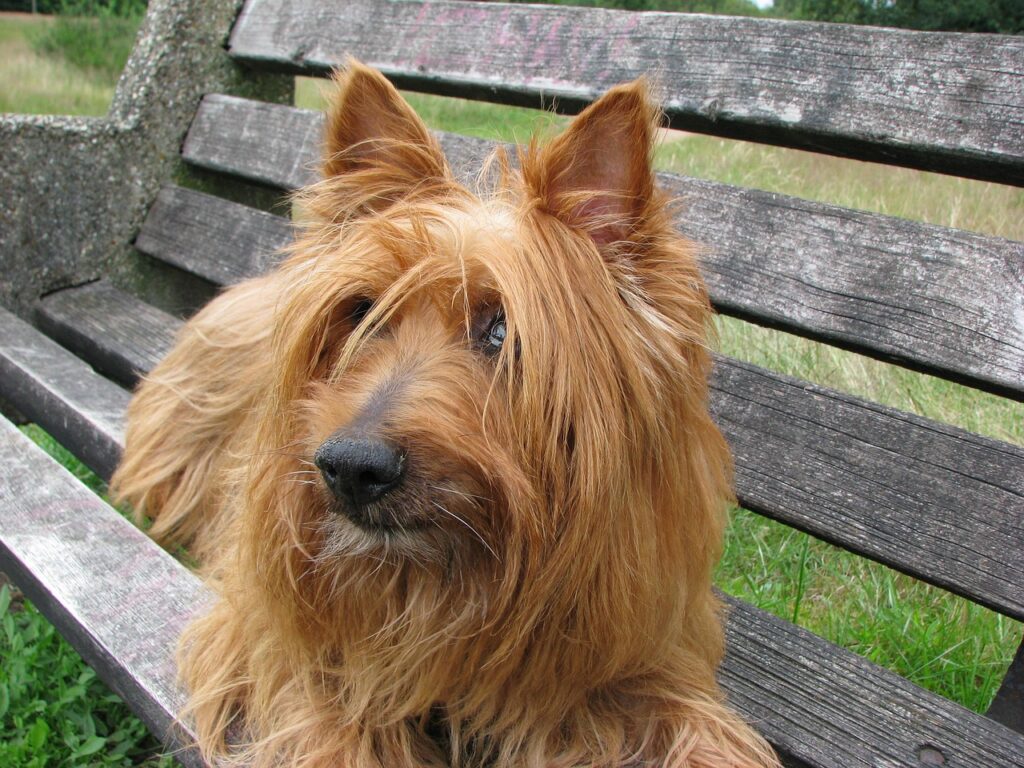
| Australian Terrier | |||||
| Basenji | Hip Displasia | Hip Displasia | |||
| Basset Hound | |||||
| Beagle | Elbow Displasia Hip Displasia Patella Luxation | Elbow Displasia | Hip Displasia | Patella Luxation | |
| Bearded Collie | Hip Displasia | Hip Displasia | |||
| Beauceron | Elbow Displasia Hip Displasia | Elbow Displasia | Hip Displasia | ||
| Bedlington Terrier | |||||
| Belgian Groenendael | Elbow Displasia Hip Displasia | Elbow Displasia | Hip Displasia | ||
| Belgian Malinois | Elbow Displasia Hip Displasia | Elbow Displasia | Hip Displasia | ||
| Belgian Tervuren | Elbow Displasia Hip Displasia | Elbow Displasia | Hip Displasia | ||
| Bernese Mountain Dog | Elbow Displasia Hip Displasia | Elbow Displasia | Hip Displasia | ||
| Bichon Frise’ | Hip Displasia Legg-Calve-Perthes Patella Luxation | Hip Displasia | Legg-Calve-Perthes | Patella Luxation | |
| Black and Tan Coonhound | Elbow Displasia Hip Displasia | Elbow Displasia | Hip Displasia | ||
| Black Russian Terrier | Elbow Displasia Hip Displasia | Elbow Displasia | Hip Displasia | ||
| Bloodhound | Elbow Displasia Hip Displasia Patella Luxation | Elbow Displasia | Hip Displasia | Patella Luxation | |
| Boerboel | Hip Displasia | Hip Displasia | |||
| Border Collie | Elbow Displasia Hip Displasia | Elbow Displasia | Hip Displasia | ||
| Border Terrier | Hip Displasia Patella Luxation | Hip Displasia | Patella Luxation | ||
| Borzoi | Elbow Displasia Hip Displasia | Elbow Displasia | Hip Displasia | ||
| Boston Terrier | Patella Luxation | Patella Luxation | |||
| Bouvier des Flandres | Elbow Displasia Hip Displasia | Elbow Displasia | Hip Displasia | ||
| Boxer | Hip Displasia | Hip Displasia | |||
| Briard | Elbow Displasia Hip Displasia | Elbow Displasia | Hip Displasia | ||
| Brittany | Elbow Displasia Hip Displasia | Elbow Displasia | Hip Displasia | ||
| Brussels Griffon | Hip Displasia Patella Luxation | Hip Displasia | Patella Luxation | ||
| Bull Terrier | Patella Luxation | Patella Luxation | |||
| Bull Terrier, Miniature | |||||
| Bulldog, English | Elbow Displasia Hip Displasia Patella Luxation | Elbow Displasia | Hip Displasia | Patella Luxation | |
| Bullmastiff | Elbow Displasia Hip Displasia | Elbow Displasia | Hip Displasia | ||
| Cairn Terrier | Patella Luxation | Patella Luxation | |||
| Canaan Dog | Elbow Displasia Hip Displasia Patella Luxation | Elbow Displasia | Hip Displasia | Patella Luxation | |
| Cane Corso (Italian Mastiff) | Elbow Displasia Hip Displasia Patella Luxation | Elbow Displasia | Hip Displasia | Patella Luxation | |
| Caucasian Shepherd | Elbow Displasia Hip Displasia Patella Luxation | Elbow Displasia | Hip Displasia | Patella Luxation | |
| Cavalier King Charles Spaniel | Hip Displasia Patella Luxation | Hip Displasia | Patella Luxation | ||
| Chesapeake Bay Retriever | Elbow Displasia Hip Displasia | Elbow Displasia | Hip Displasia | ||
| Chihuahua | Patella Luxation | Patella Luxation | |||
| Chinese Shar-Pei | Elbow Displasia Hip Displasia Patellar Luxation | Elbow Displasia | Hip Displasia | Patella Luxation | |
| Chinese Crested | Elbow Displasia Hip Displasia Legg-Calve-Perthes | Elbow Displasia | Hip Displasia | Legg-Calve-Perthes | |
| Chow Chow | Elbow Displasia Hip Displasia Patella Luxation | Elbow Displasia | Hip Displasia | Patella Luxation | |
| Clumber Spaniel | Elbow Displasia Hip Displasia | Elbow Displasia | Hip Displasia | ||
| Cocker Spaniel (American) | Hip Displasia | Hip Displasia | |||
| Collie, Rough / Smooth Coat | |||||
| Curly Coated Retriever | Elbow Displasia Hip Displasia | Elbow Displasia | Hip Displasia | ||
| Dachshund | Patella Luxation | Patella Luxation | |||
| Dalmation | Hip Displasia | Hip Displasia | |||
| Dandie Dinmont Terrier | |||||
| Doberman Pinscher | Hip Displasia | Hip Displasia | |||
| Dogo Argentino | Hip Displasia | Hip Displasia | |||
| Dogue de Bordeaux (Mastiff) | Elbow Displasia Hip Displasia Patella Luxation | Elbow Displasia | Hip Displasia | Patella Luxation | |
| English Cocker Spaniel | Hip Displasia Patella Luxation | Hip Displasia | Patella Luxation | ||
| English Foxhound | |||||
| English Setter | Elbow Displasia Hip Displasia | Elbow Displasia | Hip Displasia | ||
| English Springer Spaniel | Elbow Displasia Hip Displasia | Elbow Displasia | Hip Displasia | ||
| English Toy Spaniel AKA King Charles Spaniel | Patella Luxation | Patella Luxation | |||
| Field Spaniel | Elbow Displasia Hip Displasia Patella Luxation | Elbow Displasia | Hip Displasia | Patella Luxation | |
| Finnish Spitz | |||||
| Flat-Coated Retriever | Hip Displasia Patellar Luxation | Hip Displasia | Patella Luxation | ||
| Fox Terrier, Smooth | Patella Luxation | Patella Luxation | |||
| Fox Terrier, Toy | Legg-Calve-Perthes Patellar Luxation | Legg-Calve-Perthes | Patella Luxation | ||
| Fox Terrier, Wire | Patella Luxation | Patella Luxation | |||
| French Bulldog | Elbow Displasia Hip Displasia Patella Luxation | Elbow Displasia | Hip Displasia | Patella Luxation | |
| German Pinscher | Hip Displasia | Hip Displasia | |||
| German Shepherd | Elbow Displasia Hip Displasia | Elbow Displasia | Hip Displasia | ||
| German Shorthaired Pointer | Elbow Displasia Hip Displasia | Elbow Displasia | Hip Displasia | ||
| German Wirehaired Pointer | Elbow Displasia Hip Displasia | Elbow Displasia | Hip Displasia | ||
| Glen of Imaal Terrier | Elbow Displasia Hip Displasia | Elbow Displasia | Hip Displasia | ||
| Golden Retriever | Elbow Displasia Hip Displasia | Elbow Displasia | Hip Displasia | ||
| Gordon Setter | Elbow Displasia Hip Displasia | Elbow Displasia | Hip Displasia | ||
| Great Dane | Hip Displasia | Hip Displasia | |||
| Great Pyrenees | Elbow Displasia Hip Displasia Patella Luxation | Elbow Displasia | Hip Displasia | Patella Luxation | |
| Greater Swiss Mountain Dog | Elbow Displasia Hip Displasia Shoulder Dysplasia | Elbow Displasia | Hip Displasia | ||
| Greyhound | |||||
| Harrier | Hip Displasia | Hip Displasia | |||
| Havanese | Hip Displasia Patellar Luxation | Hip Displasia | Patella Luxation | ||
| Ibizan Hound | Hip Displasia | Hip Displasia | |||
| Irish Setter | Hip Displasia | Hip Displasia | |||
| Irish Terrier | |||||
| Irish Water Spaniel | Elbow Displasia Hip Displasia | Elbow Displasia | Hip Displasia | ||
| Irish Wolfhound | Elbow Displasia Hip Displasia | Elbow Displasia | Hip Displasia | ||
| Italian Greyhound | Hip Displasia Legg-Calve-Perthes Patellar Luxation | Hip Displasia | Legg-Calve-Perthes | Patella Luxation | |
| Japanese Chin | Patella Luxation | Patella Luxation | |||
| Keeshond | Elbow Displasia Hip Displasia Patellar Luxation | Elbow Displasia | Hip Displasia | Patella Luxation | |
| Kerry Blue Terrier | Hip Displasia | Hip Displasia | |||
| Komondor | Hip Displasia | Hip Displasia | |||
| Kuvasz | Elbow Displasia Hip Displasia Patella Luxation | Elbow Displasia | Hip Displasia | Patella Luxation | |
| Labrador Retriever | Elbow Displasia Hip Displasia | Elbow Displasia | Hip Displasia | ||
| Lakeland Terrier | |||||
| Lhasa Apso | |||||
| Lowchen | Hip Displasia Patella Luxation | Hip Displasia | Patella Luxation | ||
| Maltese | Patella Luxation | Patella Luxation | |||
| Manchester Terrier Toy | Legg-Calve-Perthes Patella Luxation | Legg-Calve-Perthes | Patella Luxation | ||
| Manchester Terrier, Standard | Legg-Calve-Perthes Patella Luxation | Legg-Calve-Perthes | Patella Luxation | ||
| Mastiff | Elbow Displasia Hip Displasia Patella Luxation | Elbow Displasia | Hip Displasia | Patella Luxation | |
| Miniature Pincher | Legg-Calve-Perthes Patella Luxation | Legg-Calve-Perthes | Patella Luxation | ||
| Neapolitan Mastiff | Elbow Displasia Hip Displasia | Elbow Displasia | Hip Displasia | ||
| Newfoundland | Elbow Displasia Hip Displasia | Elbow Displasia | Hip Displasia | ||
| Norfolk Terrier | Hip Displasia Patellar Luxation | Hip Displasia | Patella Luxation | ||
| Norwegian Buhund | Hip Displasia | Hip Displasia | |||
| Norwegian Elkhound | Hip Displasia Patellar Luxation | Hip Displasia | Patella Luxation | ||
| Norwich Terrier | Hip Displasia Patellar Luxation | Hip Displasia | Patella Luxation | ||
| Nova Scotia Duck Tolling Retriever | Hip Displasia | Hip Displasia | |||
| Old English Sheepdog | Hip Displasia | Hip Displasia | |||
| Otterhound | Elbow Displasia Hip Displasia | Elbow Displasia | Hip Displasia | ||
| Papillon | Patellar Luxation | Patella Luxation | |||
| Parsons Russell Terrier | Patellar Luxation | Patella Luxation | |||
| Pekingese | |||||
| Petit Basset Griffon Vendeen (PBGV) | |||||
| Pharaoh Hound | Hip Displasia Patellar Luxation | Hip Displasia | Patella Luxation | ||
| Plott Hound | |||||
| Pointer | Elbow Displasia Hip Displasia | Elbow Displasia | Hip Displasia | ||
| Polish Lowland Sheepdog | Hip Displasia | Hip Displasia | |||
| Pomeranian | Hip Displasia Legg-Calve-Perthes Patella Luxation | Hip Displasia | Legg-Calve-Perthes | Patella Luxation | |
| Poodle, Miniature | Hip Displasia Patellar Luxation | Hip Displasia | Patella Luxation | ||
| Poodle, Standard | Hip Displasia | Hip Displasia | |||
| Poodle, Toy | Patella Luxation | Patella Luxation | |||
| Portuguese Water Dog | Hip Displasia Patella Luxation | Hip Displasia | Patella Luxation | ||
| Presa Canario | Hip Displasia | Hip Displasia | |||
| Pug | Elbow Displasia Hip Displasia Patella Luxation | Elbow Displasia | Hip Displasia | Patella Luxation | |
| Puli | Elbow Displasia Hip Displasia Patella Luxation | Elbow Displasia | Hip Displasia | Patella Luxation | |
| Pyrenean Shepherd | Elbow Displasia Hip Displasia | Elbow Displasia | Hip Displasia | ||
| Rhodesian Ridgeback | Elbow Displasia Hip Displasia | Elbow Displasia | Hip Displasia | ||
| Rottweiler | Elbow Displasia Hip Displasia | Elbow Displasia | Hip Displasia | ||
| Saluki | Hip Displasia | Hip Displasia | |||
| Samoyed | Hip Displasia | Hip Displasia | |||
| Schipperke | Hip Displasia Patella Luxation | Hip Displasia | Patella Luxation | ||
| Schnauzer, Miniature | |||||
| Schnauzer, Giant | Elbow Displasia Hip Displasia | Elbow Displasia | Hip Displasia | ||
| Schnauzer, Standard | Hip Displasia | Hip Displasia | |||
| Scottish Deerhound | Hip Displasia | Hip Displasia | |||
| Scottish Terrier | |||||
| Sealyham Terrier | |||||
| Shetland Sheepdog | Hip Displasia Patella Luxation | Hip Displasia | Patella Luxation | ||
| Shiba Inu | Hip Displasia Patella Luxation | Hip Displasia | Patella Luxation | ||
| Shih Tzu | Hip Displasia Patella Luxation | Hip Displasia | |||
| Siberian Husky | Elbow Displasia Hip Displasia | Elbow Displasia | Hip Displasia | ||
| Silky Terrier | Patellar Luxation | Patella Luxation | |||
| Skye Terrier | |||||
| Soft-Coated Wheaten Terrier | Elbow Displasia Hip Displasia | Elbow Displasia | Hip Displasia | ||
| Spinone Italiano | Elbow Displasia Hip Displasia | Elbow Displasia | Hip Displasia | ||
| St. Bernard | Elbow Displasia Hip Displasia | Elbow Displasia | Hip Displasia | ||
| Staffordshire Bull Terrier | Elbow Displasia Hip Displasia Patella Luxation | Elbow Displasia | Hip Displasia | Patella Luxation | |
| Sussex Spaniel | |||||
| Swedish Vallhund | Hip Displasia | Hip Displasia | |||
| Tibetan Mastiff | Elbow Displasia Hip Displasia | Elbow Displasia | Hip Displasia | ||
| Tibetan Spaniel | Patellar Luxation | Patella Luxation | |||
| Tibetan Terrier | Elbow Displasia Hip Displasia Patellar Luxation | Elbow Displasia | Hip Displasia | Patella Luxation | |
| Tosa | Hip Displasia | Hip Displasia | |||
| Vizsla | Elbow Displasia Hip Displasia Patellar Luxation | Elbow Displasia | Hip Displasia | Patella Luxation | |
| Weimaraner | Elbow Displasia Hip Displasia | Elbow Displasia | Hip Displasia | ||
| Welsh Corgi, Cardigan | Hip Displasia | Hip Displasia | |||
| Welsh Corgi, Pembroke | Hip Displasia | Hip Displasia | |||
| Welsh Springer Spaniel | Elbow Displasia Hip Displasia | Elbow Displasia | Hip Displasia | ||
| Welsh Terrier | |||||
| West Highland White Terrier | Hip Displasia Patellar Luxation | Hip Displasia | Patella Luxation | ||
| Whippet | Hip Displasia | Hip Displasia | |||
| Wirehaired Pointing Griffon | Elbow Displasia Hip Displasia | Elbow Displasia | Hip Displasia | ||
| Yorkshire Terrier | Hip Displasia Legg-Calve-Perthes Patellar Luxation | Hip Displasia | Legg-Calve-Perthes | Patella Luxation |