Canine Osteochondritis Dissecans (OCD)
& Breeds at Risk
Description, Diagnosis, Causes
Research, Resources & Education
This website is based on research and is NOT created to diagnose your pet.
Each animal is an individual and may exhibit symptoms in a different way.
It is advised that you ALWAYS CHECK WITH YOUR VETERINARIAN for a proper diagnosis and treatment plan.
Table of Contents
Canine Osteochondritis Dissecans (OCD)
Osteochondrosis is a developmental disorder of medium and large rapidly growing dogs that is characterized by abnormal endochondral ossification of epiphyseal cartilage in the shoulder, elbow, stifle, and hock joints.
Although the exact cause is unknown, excessive nutrition, rapid growth, trauma, and a hereditary component are suspected to be contributing factors.
(Merck Veterinary Manual)
Canine Osteochondritis Dissecans (OCD) including Description, Causes, Signs & Symptoms, Diagnosis, Prevention, Treatment & possible Surgeries
What Dogs are at Risk?
Some Dogs that are at Risk due to Genetic Predisposition
EXAMPLES of BREEDS at RISK
Breeds Commonly Affected (The Pet Vet)
Breeds Commonly Affected – The Pet Vet
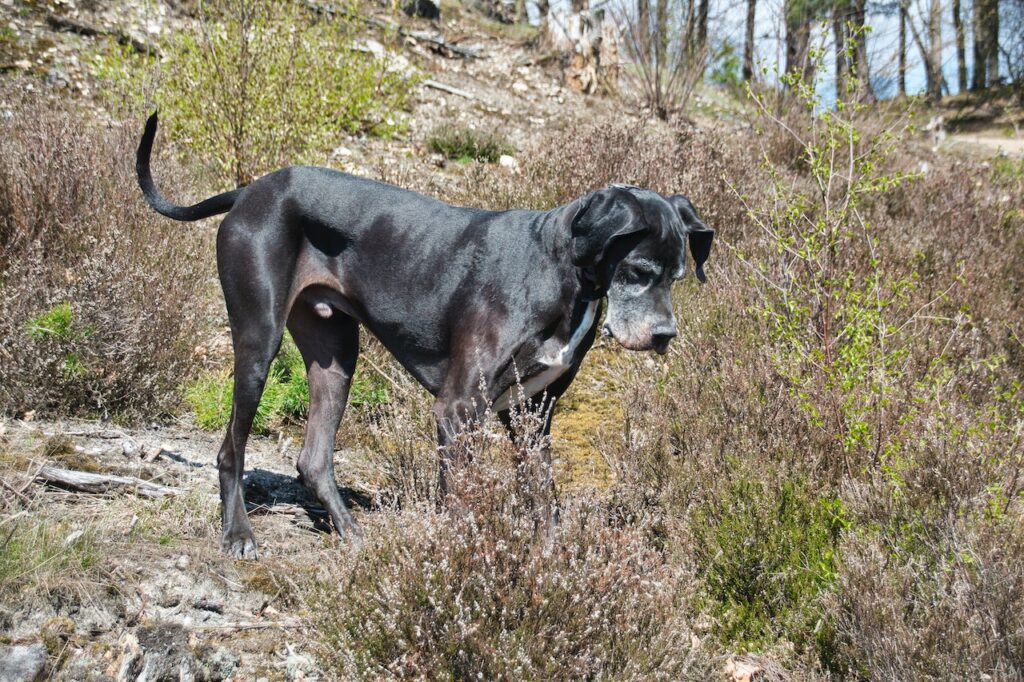
While any dog can develop osteochondrosis, it’s particularly common in large and giant breeds, including:
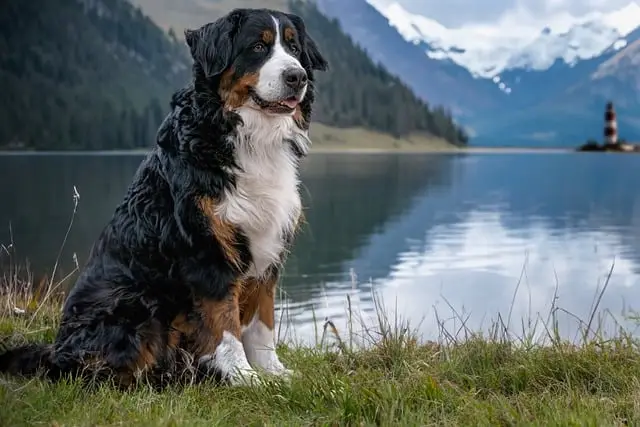
- Bernese Mountain Dogs
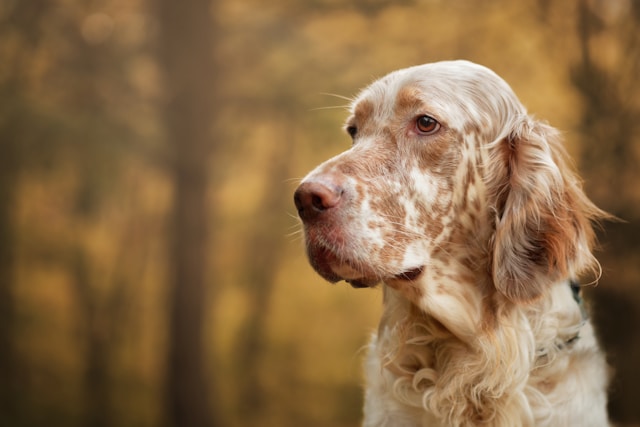
- English setters
- German Shepherds
- Great Danes
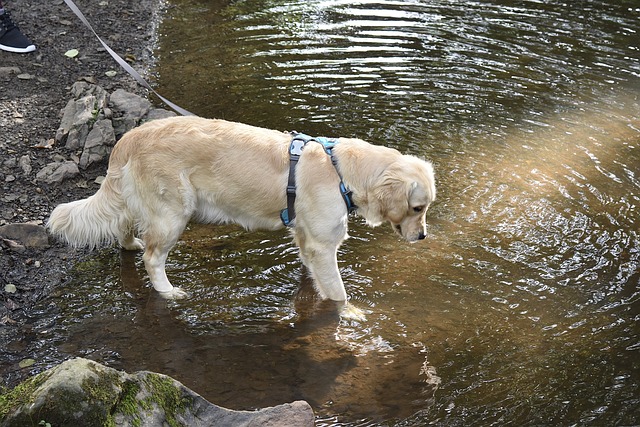
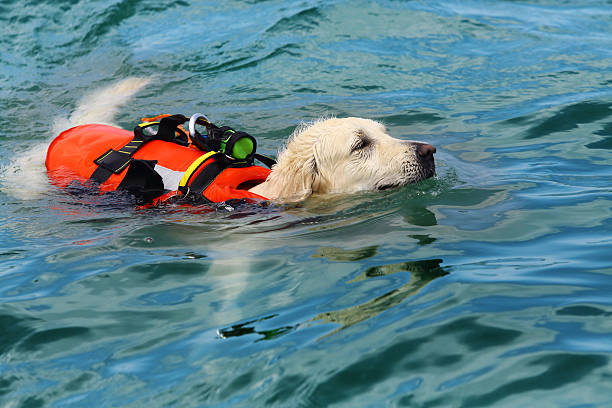
- Labrador and Golden Retrievers
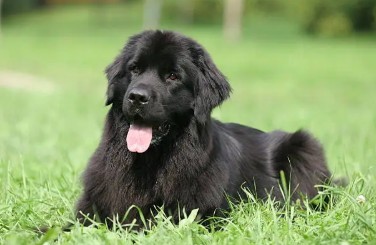
- Newfoundlands
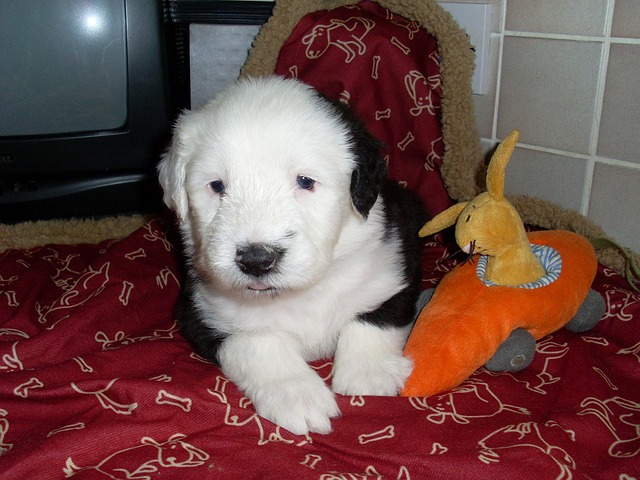
- Old English sheepdogs
- Rottweilers
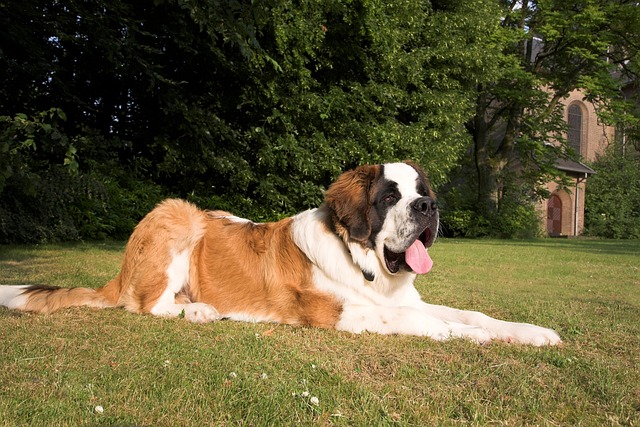
- Saint Bernards
These breeds experience rapid growth, which is a key risk factor for developing the condition.
Breed & Age Risk Factors (Ask a Vet)
Breed & Age Risk Factors – Ask a Vet
- Young, rapidly growing dogs (5–18 months), often large or giant breeds.
- Male dogs are slightly more affected.
- Multifactorial causes: genetic predisposition, rapid growth, over-nutrition (too much calcium/protein), trauma, hormonal factors.
- Common sites: shoulder, elbow, stifle, tarsus/hock—up to 30‑60% bilateral in some joints.


What is Osteochondritis Dissecans (OCD)
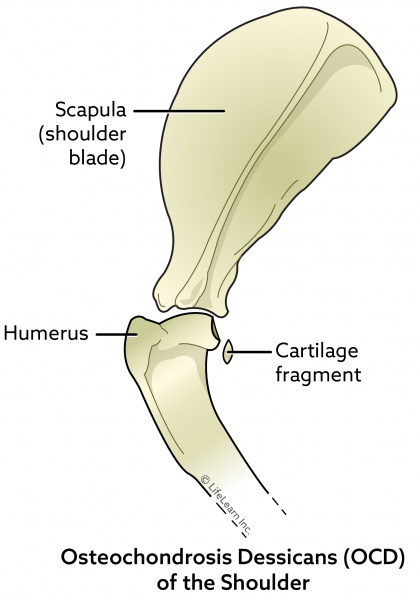
Osteochondritis Dissecans (OCD) in Dogs (VCA)
Osteochondritis Dissecans (OCD) in Dogs – VCA
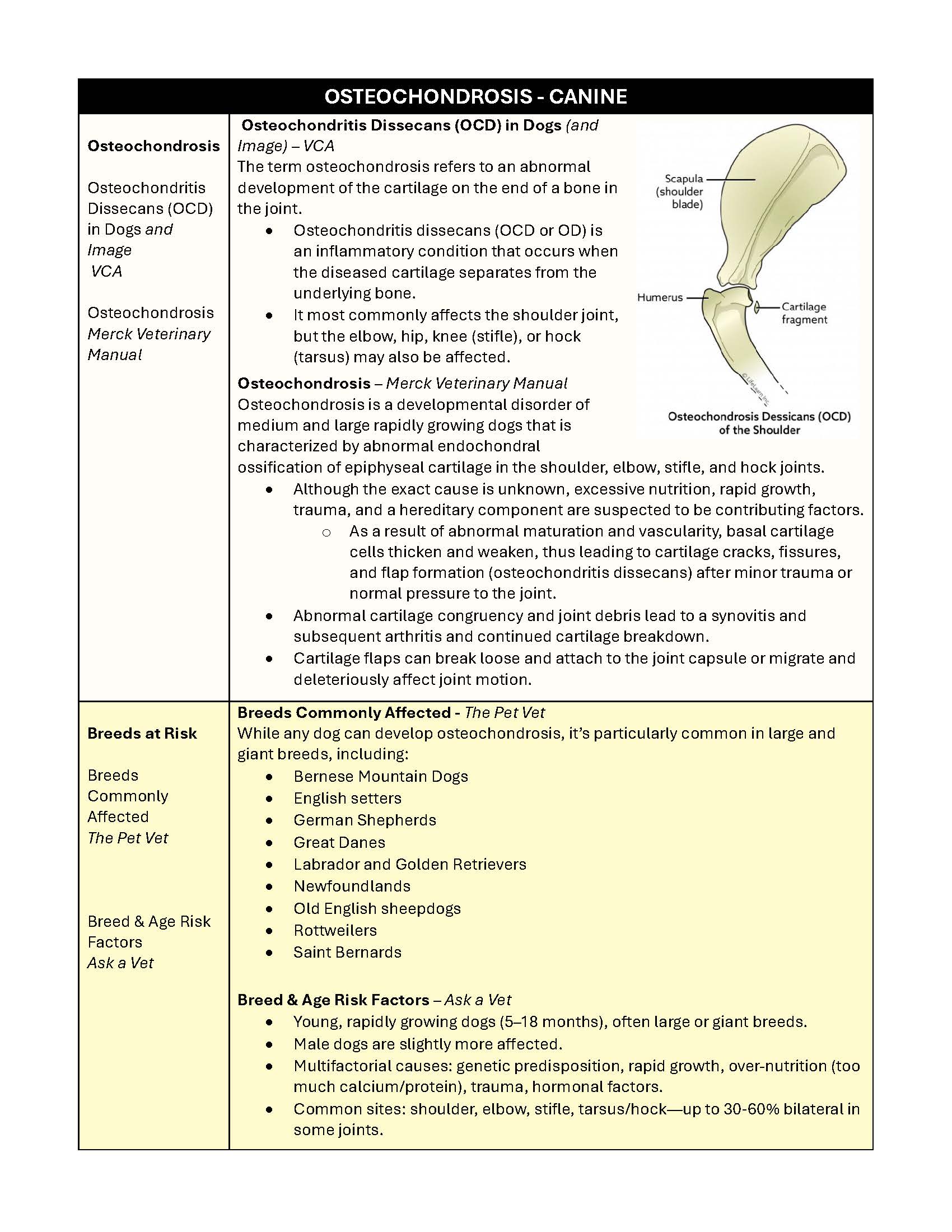
The term osteochondrosis refers to an abnormal development of the cartilage on the end of a bone in the joint.
- Osteochondritis dissecans (OCD or OD) is an inflammatory condition that occurs when the diseased cartilage separates from the underlying bone.
- It most commonly affects the shoulder joint, but the elbow, hip, knee (stifle), or hock (tarsus) may also be affected.
Osteochondrosis (Merck Veterinary Manual)
Osteochondrosis – Merck Veterinary Manual
Osteochondrosis is a developmental disorder of medium and large rapidly growing dogs that is characterized by abnormal endochondral ossification of epiphyseal cartilage in the shoulder, elbow, stifle, and hock joints.
- Although the exact cause is unknown, excessive nutrition, rapid growth, trauma, and a hereditary component are suspected to be contributing factors.
- As a result of abnormal maturation and vascularity, basal cartilage cells thicken and weaken, thus leading to cartilage cracks, fissures, and flap formation (osteochondritis dissecans) after minor trauma or normal pressure to the joint.
- Abnormal cartilage congruency and joint debris lead to a synovitis and subsequent arthritis and continued cartilage breakdown.
- Cartilage flaps can break loose and attach to the joint capsule or migrate and deleteriously affect joint motion.
Osteochondritis Videos
YouTube Videos that help explain Osteochondritis in Dogs
Disclaimer:
This is for research only and Lost Temple Pets does not endorse any video presented on this website.
It is advised that you ALWAYS CHECK WITH YOUR VETERINARIAN for a proper diagnosis and treatment plan.
Playlist
Causes
Causes of Osteochondrosis in Dogs (Pet Friendly)
Causes of Osteochondrosis in Dogs – Pet Friendly
Osteochondrosis (OC) in dogs is a complex condition with multiple potential causes. While the exact mechanism is not fully understood, various factors contribute to the development of OC. By understanding these causes, dog owners can take preventive measures to reduce the risk of their furry friends developing this condition.
Genetic Factors
- Genetics play a significant role in the development of osteochondrosis in dogs. Certain breeds are more predisposed to OC than others, suggesting a genetic component.
- Breeds such as Great Danes, Labrador Retrievers, Rottweilers, Bernese Mountain Dogs, and German Shepherds are commonly affected. In these breeds, there may be an inherited susceptibility to abnormal cartilage and bone development.
- If you have a dog of a susceptible breed, it is important to be vigilant and proactive in managing their joint health.
Nutrition and Diet
- Dietary factors can also influence the development of osteochondrosis in dogs.
- An improper diet, particularly during the critical growth stages, can increase the risk of OC.
- Excessive caloric intake, imbalances in nutrients (such as calcium and phosphorus), and rapid growth rates have been associated with the development of OC.
- It is crucial to provide a balanced and appropriate diet for growing dogs, following the recommendations of your veterinarian or a canine nutritionist.
Rapid Growth and Development
- Rapid growth and development can put stress on a dog’s joints, potentially leading to osteochondrosis.
- Large and giant breed dogs are particularly susceptible due to their accelerated growth rates.
- During this period, the bones and cartilage may not have enough time to develop properly, increasing the risk of OC.
- Proper management of a puppy’s growth, including controlled exercise and feeding practices, can help mitigate this risk.
Physical Activity and Trauma
- Intense physical activity and trauma to the joints can contribute to the development of osteochondrosis in dogs.
- Activities that involve repetitive impact on the joints, such as jumping or excessive running on hard surfaces, can increase the risk.
- Traumatic injuries, such as falls or accidents, can also disrupt the normal development of cartilage and bone, leading to OC.
- It is important to provide suitable exercise and minimize high-impact activities to protect the joints of growing dogs.
Signs & Symptoms
Clinical Signs (Merck Veterinary Manual)
Clinical Signs – Merck Veterinary Manual
Clinical signs are lameness, joint effusion, and reduced range of motion in affected joints or limbs.
- Locations of the lesions include the head of the humerus (shoulder joint), the medial aspect of the humeral condyle (elbow joint), the femoral condyles (stifle joint), and the trochlear ridges of the talus (hock joint).
- Additionally, fragmented medial coronoid process and ununited anconeal process in the elbow joint may be related conditions.
- Radiography is useful in identifying joint lesions; changes may include flattening of joint surfaces, subchondral bone lucency or sclerosis, osteophytosis, joint effusion, and “joint mice.”
- Arthrography can be used to delineate cartilage flaps, and arthroscopy can also be performed to identify and treat cartilage or joint lesions.
- CT imaging also helps identify subchondral bone changes.
Common Symptoms (Pet Friendly)
Common Symptoms – Pet Friendly
- Lameness: One of the most common signs of osteochondrosis in dogs is lameness. You may notice your dog favoring a particular leg or experiencing difficulty while walking or running.
- Joint Pain and Stiffness: Dogs with OC often exhibit signs of joint pain and stiffness. They may have difficulty getting up or lying down, and their range of motion may be restricted.
- Limping: Osteochondrosis can cause a noticeable limp, especially after periods of rest or exercise. The limp may improve with movement but worsen with increased activity.
- Joint Swelling: In some cases, affected joints may become swollen or inflamed. You may notice visible swelling or feel warmth and tenderness when touching the affected area.
- Decreased Activity and Exercise Intolerance: Dogs with OC may become less active and show reduced interest in exercise or play. They may tire easily and show signs of fatigue.
- Altered Gait: Osteochondrosis can affect a dog’s gait, causing an abnormal or uneven movement pattern. This may be observed as a change in stride or coordination.
Diagnosis & Evaluation
Diagnosing OCD (Ask a Vet)
Diagnosing OCD – Ask a Vet
- History & exam: note age, breed, lameness pattern, palpation findings.
- Radiography: look for subchondral lucency, flattening, debris, osteophytes, and effusion.
- Ultrasonography: effective for shoulder lesions; sensitivity ~92% comparable to radiographs.
- CT/MRI: best for fragment visualization and planning surgery.
- Arthroscopy: gold standard for diagnosis & treatment, especially in hock/shoulder.
Diagnosis (PetMD)
Diagnosis – PetMD
You will need to give a thorough medical history of your dog’s health, onset of symptoms, and any information you have about your dog’s parentage.
- A complete blood profile will be conducted, including a chemical blood profile, a complete blood count, and a urinalysis. The results of these tests are often within normal ranges in affected animals, but they are necessary for preliminary assumptions of your dog’s overall health condition.
- Your veterinarian will examine your dog thoroughly, paying special attention to the limbs that are troubling your dog.
- Radiography imaging is the best tool for diagnosis of this problem; your veterinarian will take several x-rays of the affected joints and bones to best discern any abnormalities.
- The radiographs may show details of lesions and abnormalities related to this disease.
- Computed tomography (CT-scan) and magnetic resonance imaging (MRI) are also valuable diagnostic tools for visualizing the extent of any internal lesions.
- Your veterinarian will also take samples of fluid from the affected joints (synovial fluid) to confirm involvement of the joint and to rule out an infectious disease that may be the actual cause of the lameness.
- More advanced diagnostic and therapeutic tools like arthroscopy may also be used.
- Arthroscopy is a minimally invasive surgical procedure which allows for examination and sometime treatment of damage inside the joint.
- This procedure is performed using an arthroscope, a type of endoscope inserted into the joint through a small incision.
Treatment, Surgeries & Aftercare
How is OCD Treated, Surgery, Aftercare and Outcomes? (VCA)
How is OCD treated? VCA
The OCD lesion can vary in severity, ranging from a crack in the cartilage, to a cartilage flap, to a completely detached fragment of cartilage that is floating around in the joint, called a joint mouse.
- If a dog is young (less than 6 months old) and if the defect is a crack or a very small flap of cartilage, it may heal if the dog has strict rest and activity restrictions for several weeks.
- In these cases, the dog will be restricted to short leash walks only, and cage rest will be strongly recommended.
- Medications to relieve inflammation and supplements to promote joint health will usually be prescribed.
- Often, you will be taught how to perform passive range of motion (PROM) exercises, in which you move the joint through its normal range of motion while your dog is lying on his side. This is done to maintain the joint’s flexibility and mobility.
- “If the defect is a crack or a very small flap of cartilage, it may heal if the patient has strict rest and activity restrictions for several weeks.”
- If the lameness does not improve following this conservative approach, if the cartilage flap becomes folded in the joint, if the cartilage defect is large, or if a piece of cartilage breaks free, surgery will be required to remove the defective flap or the floating piece of cartilage.
- This may be done by surgically opening the joint or by using an arthroscope.
- In certain cases, the surgeon will transplant normal cartilage and bone from another joint or from a non-weight bearing area of the affected joint to improve healing (osteochondral allograft transfer).
- In other cases, a synthetic implant may be placed to help reconstruct a smooth joint surface (synthetic osteochondral resurfacing).
- Whatever the surgical technique, the remainder of the cartilage surface will be inspected and any areas of defective cartilage will be debrided or removed.
What sort of aftercare will my dog require following surgery?
Surgical removal of the diseased cartilage will relieve the inflammation and pain, allow the joint surface to remodel, and minimize the development of degenerative joint disease (osteoarthritis).
- For the first 2-3 weeks postoperatively, your dog will be restricted to short leash walks only, and you will be instructed on how to perform PROM exercises.
- Anti-inflammatory medications (e.g., meloxicam, brand name Metacam®) and joint supplements will be prescribed.
- After 3 weeks, the amount of controlled exercise will be increased and specific rehabilitation exercises such as swimming may be prescribed.
- After 6 weeks, your dog may progress to other controlled activities such as light jogging.
What is the prognosis following surgery?
The prognosis varies depending on the joint that is affected.
- If the shoulder joint is affected, the prognosis is good; if the elbow joint is affected, the prognosis is guarded.
- In all cases, the prognosis improves if surgery is performed early in the course of the disease.
- Weight control is important to avoid unnecessary stress and inflammation in the joint.
Surgical, Post Surgical Care & Prognosis
Surgical Intervention (Ask a Vet)
Surgical Intervention – Ask a Vet
- Arthroscopic/open removal of cartilage flaps/fragments and curettage of subchondral bone—speeds recovery and limits arthritis.
- Osteochondral autograft (OATS): an advanced grafting technique transferring healthy cartilage to the defect, preserving joint surface.
- OATS offers symptom relief, but arthritis risk remains over time.
Post-Surgical & Rehab Care
- NSAIDs (e.g., carprofen, meloxicam) reduce inflammation and pain.
- Physical therapy: controlled exercise, hydrotherapy, laser, stretching to restore joint function.
- Joint supplements: glucosamine‑chondroitin, polysulfated glycosaminoglycan (Adequan), omega-3s—vet-recommended support.
Prognosis & Long-Term Outlook
- Shoulder lesions have an excellent prognosis; stifle is good; elbow/hock fair due to joint complexity.
- Arthroscopy often results in fast lameness resolution; OATS yields durable joint surface restoration but arthritis may occur later.
Prevention
Preventive Measures (Pet Friendly)
Preventive Measures – Pet Friendly
While osteochondrosis cannot always be completely prevented, there are steps you can take to reduce the risk of its development in dogs, especially those breeds that are genetically predisposed. Here are some preventive measures to consider:
- Genetic Screening: If you are considering getting a dog from a breed predisposed to osteochondrosis, research the breeder’s reputation and ask about genetic screening and health testing. Responsible breeders strive to reduce the incidence of OC by breeding from dogs with healthy joints.
- Balanced Diet: Provide a balanced and appropriate diet for your dog, especially during the growth stages. Consult with your veterinarian or a canine nutritionist to ensure that the diet meets your dog’s specific needs and supports healthy joint development.
- Controlled Growth: Avoid rapid growth rates in puppies, particularly in large and giant breeds. This can be achieved by feeding controlled portions, avoiding overfeeding, and following growth guidelines provided by your veterinarian.
- Regular Exercise: Provide regular exercise for your dog to maintain muscle tone and joint health. However, avoid excessive high-impact activities that can put stress on the joints. Consult with your veterinarian to determine the appropriate exercise regimen for your dog’s age, breed, and condition.
- Weight Management: Maintain a healthy weight for your dog to reduce stress on the joints. Obesity can exacerbate the symptoms of OC and increase the risk of joint problems.
- Regular Veterinary Check-ups: Schedule regular veterinary check-ups to monitor your dog’s overall health and joint function. Early detection of any potential issues can lead to timely intervention and better outcomes.
References
References
Ask a Vet – Canine Osteochondrosis (OCD)
Vet Guide 2025; By Dr. Duncan Houston BVSc
https://askavet.com/blogs/pet-health-safety/canine-osteochondrosis-ocd-vet-guide-2025-%F0%9F%90%B6
Merck Veterinary Manual (Professional Version) – Osteochondrosis in Dogs
By Joseph Harari, MS, DVM, DACVS, Veterinary Surgical Specialists, Spokane, WA
Reviewed/Revised Nov 2020 | Modified Sept 2024
Pet Friendly – Understanding Osteochondrosis in Dogs
https://petfriendly.com/dog-wellness/osteochondrosis-in-dogs/
PetMD – Osteochondritis Dissecans (OCD) in Dogs
By PetMD Editorial; Published Sep. 30, 2009
https://www.petmd.com/dog/conditions/musculoskeletal/c_dg_osteochondrosis
The Pet Vet – Osteochondrosis in Dogs: 7 Essential Medications That Help
Written by The Pet Vet Team on April 3, 2025. Posted in Symptoms in Pets.
https://thepetvet.com/osteochondrosis-in-dogs/
VCA Animal Hospitals – Osteochondritis Dissecans (OCD) in Dogs
By Krista Williams, BSc, DVM, CCRP; Tammy Hunter, DVM; Cheryl Yuill, DVM, MSc, CVH
https://vcahospitals.com/know-your-pet/osteochondritis-dissecans-or-ocd-in-dogs
Arthritis/Breed Chart
| Breed | ORTHOPEDIC | Elbow Displasia | Hip Displasia | Legg-Calve-Perthes | Patella Luxation |
|---|---|---|---|---|---|
| Affenpinscher | Hip Displasia Legg-Calve-Perthes Patella Luxation | Hip Displasia | Legg-Calve-Perthes | Patella Luxation | |
| Afghan Hound | Hip Displasia | Hip Displasia | |||
| Airedale Terrier | Elbow Displasia Hip Displasia | Elbow Displasia | Hip Displasia | ||
| Akita (American) | Elbow Displasia Hip Displasia Patella Luxation | Elbow Displasia | Hip Displasia | Patella Luxation | |
| Alaskan Malamute | Elbow Displasia Hip Displasia | Elbow Displasia | Hip Displasia | ||
| American Eskimo, Toy and Standard | Elbow Displasia Hip Displasia Legg-Calve-Perthes Patella Luxation | Elbow Displasia | Hip Displasia | Legg-Calve-Perthes | Patella Luxation |
| American Foxhound | |||||
| American Pitt Bull Terrier | |||||
| American Staffordshire Terrier | Elbow Displasia Hip Displasia | Elbow Displasia | Hip Displasia | ||
| American Water Spaniel | Hip Displasia | Hip Displasia | |||
| Anatolian Shepherd Dog | Elbow Displasia Hip Displasia | Elbow Displasia | Hip Displasia | ||
| Australian Cattle Dog | Elbow Displasia Hip Displasia Patella Luxation | Elbow Displasia | Hip Displasia | Patella Luxation | |
| Australian Shepherd | Elbow Displasia Hip Displasia | Elbow Displasia | Hip Displasia | ||
| Australian Terrier | |||||
| Basenji | Hip Displasia | Hip Displasia | |||
| Basset Hound | |||||
| Beagle | Elbow Displasia Hip Displasia Patella Luxation | Elbow Displasia | Hip Displasia | Patella Luxation | |
| Bearded Collie | Hip Displasia | Hip Displasia | |||
| Beauceron | Elbow Displasia Hip Displasia | Elbow Displasia | Hip Displasia | ||
| Bedlington Terrier | |||||
| Belgian Groenendael | Elbow Displasia Hip Displasia | Elbow Displasia | Hip Displasia | ||
| Belgian Malinois | Elbow Displasia Hip Displasia | Elbow Displasia | Hip Displasia | ||
| Belgian Tervuren | Elbow Displasia Hip Displasia | Elbow Displasia | Hip Displasia | ||
| Bernese Mountain Dog | Elbow Displasia Hip Displasia | Elbow Displasia | Hip Displasia | ||
| Bichon Frise’ | Hip Displasia Legg-Calve-Perthes Patella Luxation | Hip Displasia | Legg-Calve-Perthes | Patella Luxation | |
| Black and Tan Coonhound | Elbow Displasia Hip Displasia | Elbow Displasia | Hip Displasia | ||
| Black Russian Terrier | Elbow Displasia Hip Displasia | Elbow Displasia | Hip Displasia | ||
| Bloodhound | Elbow Displasia Hip Displasia Patella Luxation | Elbow Displasia | Hip Displasia | Patella Luxation | |
| Boerboel | Hip Displasia | Hip Displasia | |||
| Border Collie | Elbow Displasia Hip Displasia | Elbow Displasia | Hip Displasia | ||
| Border Terrier | Hip Displasia Patella Luxation | Hip Displasia | Patella Luxation | ||
| Borzoi | Elbow Displasia Hip Displasia | Elbow Displasia | Hip Displasia | ||
| Boston Terrier | Patella Luxation | Patella Luxation | |||
| Bouvier des Flandres | Elbow Displasia Hip Displasia | Elbow Displasia | Hip Displasia | ||
| Boxer | Hip Displasia | Hip Displasia | |||
| Briard | Elbow Displasia Hip Displasia | Elbow Displasia | Hip Displasia | ||
| Brittany | Elbow Displasia Hip Displasia | Elbow Displasia | Hip Displasia | ||
| Brussels Griffon | Hip Displasia Patella Luxation | Hip Displasia | Patella Luxation | ||
| Bull Terrier | Patella Luxation | Patella Luxation | |||
| Bull Terrier, Miniature | |||||
| Bulldog, English | Elbow Displasia Hip Displasia Patella Luxation | Elbow Displasia | Hip Displasia | Patella Luxation | |
| Bullmastiff | Elbow Displasia Hip Displasia | Elbow Displasia | Hip Displasia | ||
| Cairn Terrier | Patella Luxation | Patella Luxation | |||
| Canaan Dog | Elbow Displasia Hip Displasia Patella Luxation | Elbow Displasia | Hip Displasia | Patella Luxation | |
| Cane Corso (Italian Mastiff) | Elbow Displasia Hip Displasia Patella Luxation | Elbow Displasia | Hip Displasia | Patella Luxation | |
| Caucasian Shepherd | Elbow Displasia Hip Displasia Patella Luxation | Elbow Displasia | Hip Displasia | Patella Luxation | |
| Cavalier King Charles Spaniel | Hip Displasia Patella Luxation | Hip Displasia | Patella Luxation | ||
| Chesapeake Bay Retriever | Elbow Displasia Hip Displasia | Elbow Displasia | Hip Displasia | ||
| Chihuahua | Patella Luxation | Patella Luxation | |||
| Chinese Shar-Pei | Elbow Displasia Hip Displasia Patellar Luxation | Elbow Displasia | Hip Displasia | Patella Luxation | |
| Chinese Crested | Elbow Displasia Hip Displasia Legg-Calve-Perthes | Elbow Displasia | Hip Displasia | Legg-Calve-Perthes | |
| Chow Chow | Elbow Displasia Hip Displasia Patella Luxation | Elbow Displasia | Hip Displasia | Patella Luxation | |
| Clumber Spaniel | Elbow Displasia Hip Displasia | Elbow Displasia | Hip Displasia | ||
| Cocker Spaniel (American) | Hip Displasia | Hip Displasia | |||
| Collie, Rough / Smooth Coat | |||||
| Curly Coated Retriever | Elbow Displasia Hip Displasia | Elbow Displasia | Hip Displasia | ||
| Dachshund | Patella Luxation | Patella Luxation | |||
| Dalmation | Hip Displasia | Hip Displasia | |||
| Dandie Dinmont Terrier | |||||
| Doberman Pinscher | Hip Displasia | Hip Displasia | |||
| Dogo Argentino | Hip Displasia | Hip Displasia | |||
| Dogue de Bordeaux (Mastiff) | Elbow Displasia Hip Displasia Patella Luxation | Elbow Displasia | Hip Displasia | Patella Luxation | |
| English Cocker Spaniel | Hip Displasia Patella Luxation | Hip Displasia | Patella Luxation | ||
| English Foxhound | |||||
| English Setter | Elbow Displasia Hip Displasia | Elbow Displasia | Hip Displasia | ||
| English Springer Spaniel | Elbow Displasia Hip Displasia | Elbow Displasia | Hip Displasia | ||
| English Toy Spaniel AKA King Charles Spaniel | Patella Luxation | Patella Luxation | |||
| Field Spaniel | Elbow Displasia Hip Displasia Patella Luxation | Elbow Displasia | Hip Displasia | Patella Luxation | |
| Finnish Spitz | |||||
| Flat-Coated Retriever | Hip Displasia Patellar Luxation | Hip Displasia | Patella Luxation | ||
| Fox Terrier, Smooth | Patella Luxation | Patella Luxation | |||
| Fox Terrier, Toy | Legg-Calve-Perthes Patellar Luxation | Legg-Calve-Perthes | Patella Luxation | ||
| Fox Terrier, Wire | Patella Luxation | Patella Luxation | |||
| French Bulldog | Elbow Displasia Hip Displasia Patella Luxation | Elbow Displasia | Hip Displasia | Patella Luxation | |
| German Pinscher | Hip Displasia | Hip Displasia | |||
| German Shepherd | Elbow Displasia Hip Displasia | Elbow Displasia | Hip Displasia | ||
| German Shorthaired Pointer | Elbow Displasia Hip Displasia | Elbow Displasia | Hip Displasia | ||
| German Wirehaired Pointer | Elbow Displasia Hip Displasia | Elbow Displasia | Hip Displasia | ||
| Glen of Imaal Terrier | Elbow Displasia Hip Displasia | Elbow Displasia | Hip Displasia | ||
| Golden Retriever | Elbow Displasia Hip Displasia | Elbow Displasia | Hip Displasia | ||
| Gordon Setter | Elbow Displasia Hip Displasia | Elbow Displasia | Hip Displasia | ||
| Great Dane | Hip Displasia | Hip Displasia | |||
| Great Pyrenees | Elbow Displasia Hip Displasia Patella Luxation | Elbow Displasia | Hip Displasia | Patella Luxation | |
| Greater Swiss Mountain Dog | Elbow Displasia Hip Displasia Shoulder Dysplasia | Elbow Displasia | Hip Displasia | ||
| Greyhound | |||||
| Harrier | Hip Displasia | Hip Displasia | |||
| Havanese | Hip Displasia Patellar Luxation | Hip Displasia | Patella Luxation | ||
| Ibizan Hound | Hip Displasia | Hip Displasia | |||
| Irish Setter | Hip Displasia | Hip Displasia | |||
| Irish Terrier | |||||
| Irish Water Spaniel | Elbow Displasia Hip Displasia | Elbow Displasia | Hip Displasia | ||
| Irish Wolfhound | Elbow Displasia Hip Displasia | Elbow Displasia | Hip Displasia | ||
| Italian Greyhound | Hip Displasia Legg-Calve-Perthes Patellar Luxation | Hip Displasia | Legg-Calve-Perthes | Patella Luxation | |
| Japanese Chin | Patella Luxation | Patella Luxation | |||
| Keeshond | Elbow Displasia Hip Displasia Patellar Luxation | Elbow Displasia | Hip Displasia | Patella Luxation | |
| Kerry Blue Terrier | Hip Displasia | Hip Displasia | |||
| Komondor | Hip Displasia | Hip Displasia | |||
| Kuvasz | Elbow Displasia Hip Displasia Patella Luxation | Elbow Displasia | Hip Displasia | Patella Luxation | |
| Labrador Retriever | Elbow Displasia Hip Displasia | Elbow Displasia | Hip Displasia | ||
| Lakeland Terrier | |||||
| Lhasa Apso | |||||
| Lowchen | Hip Displasia Patella Luxation | Hip Displasia | Patella Luxation | ||
| Maltese | Patella Luxation | Patella Luxation | |||
| Manchester Terrier Toy | Legg-Calve-Perthes Patella Luxation | Legg-Calve-Perthes | Patella Luxation | ||
| Manchester Terrier, Standard | Legg-Calve-Perthes Patella Luxation | Legg-Calve-Perthes | Patella Luxation | ||
| Mastiff | Elbow Displasia Hip Displasia Patella Luxation | Elbow Displasia | Hip Displasia | Patella Luxation | |
| Miniature Pincher | Legg-Calve-Perthes Patella Luxation | Legg-Calve-Perthes | Patella Luxation | ||
| Neapolitan Mastiff | Elbow Displasia Hip Displasia | Elbow Displasia | Hip Displasia | ||
| Newfoundland | Elbow Displasia Hip Displasia | Elbow Displasia | Hip Displasia | ||
| Norfolk Terrier | Hip Displasia Patellar Luxation | Hip Displasia | Patella Luxation | ||
| Norwegian Buhund | Hip Displasia | Hip Displasia | |||
| Norwegian Elkhound | Hip Displasia Patellar Luxation | Hip Displasia | Patella Luxation | ||
| Norwich Terrier | Hip Displasia Patellar Luxation | Hip Displasia | Patella Luxation | ||
| Nova Scotia Duck Tolling Retriever | Hip Displasia | Hip Displasia | |||
| Old English Sheepdog | Hip Displasia | Hip Displasia | |||
| Otterhound | Elbow Displasia Hip Displasia | Elbow Displasia | Hip Displasia | ||
| Papillon | Patellar Luxation | Patella Luxation | |||
| Parsons Russell Terrier | Patellar Luxation | Patella Luxation | |||
| Pekingese | |||||
| Petit Basset Griffon Vendeen (PBGV) | |||||
| Pharaoh Hound | Hip Displasia Patellar Luxation | Hip Displasia | Patella Luxation | ||
| Plott Hound | |||||
| Pointer | Elbow Displasia Hip Displasia | Elbow Displasia | Hip Displasia | ||
| Polish Lowland Sheepdog | Hip Displasia | Hip Displasia | |||
| Pomeranian | Hip Displasia Legg-Calve-Perthes Patella Luxation | Hip Displasia | Legg-Calve-Perthes | Patella Luxation | |
| Poodle, Miniature | Hip Displasia Patellar Luxation | Hip Displasia | Patella Luxation | ||
| Poodle, Standard | Hip Displasia | Hip Displasia | |||
| Poodle, Toy | Patella Luxation | Patella Luxation | |||
| Portuguese Water Dog | Hip Displasia Patella Luxation | Hip Displasia | Patella Luxation | ||
| Presa Canario | Hip Displasia | Hip Displasia | |||
| Pug | Elbow Displasia Hip Displasia Patella Luxation | Elbow Displasia | Hip Displasia | Patella Luxation | |
| Puli | Elbow Displasia Hip Displasia Patella Luxation | Elbow Displasia | Hip Displasia | Patella Luxation | |
| Pyrenean Shepherd | Elbow Displasia Hip Displasia | Elbow Displasia | Hip Displasia | ||
| Rhodesian Ridgeback | Elbow Displasia Hip Displasia | Elbow Displasia | Hip Displasia | ||
| Rottweiler | Elbow Displasia Hip Displasia | Elbow Displasia | Hip Displasia | ||
| Saluki | Hip Displasia | Hip Displasia | |||
| Samoyed | Hip Displasia | Hip Displasia | |||
| Schipperke | Hip Displasia Patella Luxation | Hip Displasia | Patella Luxation | ||
| Schnauzer, Miniature | |||||
| Schnauzer, Giant | Elbow Displasia Hip Displasia | Elbow Displasia | Hip Displasia | ||
| Schnauzer, Standard | Hip Displasia | Hip Displasia | |||
| Scottish Deerhound | Hip Displasia | Hip Displasia | |||
| Scottish Terrier | |||||
| Sealyham Terrier | |||||
| Shetland Sheepdog | Hip Displasia Patella Luxation | Hip Displasia | Patella Luxation | ||
| Shiba Inu | Hip Displasia Patella Luxation | Hip Displasia | Patella Luxation | ||
| Shih Tzu | Hip Displasia Patella Luxation | Hip Displasia | |||
| Siberian Husky | Elbow Displasia Hip Displasia | Elbow Displasia | Hip Displasia | ||
| Silky Terrier | Patellar Luxation | Patella Luxation | |||
| Skye Terrier | |||||
| Soft-Coated Wheaten Terrier | Elbow Displasia Hip Displasia | Elbow Displasia | Hip Displasia | ||
| Spinone Italiano | Elbow Displasia Hip Displasia | Elbow Displasia | Hip Displasia | ||
| St. Bernard | Elbow Displasia Hip Displasia | Elbow Displasia | Hip Displasia | ||
| Staffordshire Bull Terrier | Elbow Displasia Hip Displasia Patella Luxation | Elbow Displasia | Hip Displasia | Patella Luxation | |
| Sussex Spaniel | |||||
| Swedish Vallhund | Hip Displasia | Hip Displasia | |||
| Tibetan Mastiff | Elbow Displasia Hip Displasia | Elbow Displasia | Hip Displasia | ||
| Tibetan Spaniel | Patellar Luxation | Patella Luxation | |||
| Tibetan Terrier | Elbow Displasia Hip Displasia Patellar Luxation | Elbow Displasia | Hip Displasia | Patella Luxation | |
| Tosa | Hip Displasia | Hip Displasia | |||
| Vizsla | Elbow Displasia Hip Displasia Patellar Luxation | Elbow Displasia | Hip Displasia | Patella Luxation | |
| Weimaraner | Elbow Displasia Hip Displasia | Elbow Displasia | Hip Displasia | ||
| Welsh Corgi, Cardigan | Hip Displasia | Hip Displasia | |||
| Welsh Corgi, Pembroke | Hip Displasia | Hip Displasia | |||
| Welsh Springer Spaniel | Elbow Displasia Hip Displasia | Elbow Displasia | Hip Displasia | ||
| Welsh Terrier | |||||
| West Highland White Terrier | Hip Displasia Patellar Luxation | Hip Displasia | Patella Luxation | ||
| Whippet | Hip Displasia | Hip Displasia | |||
| Wirehaired Pointing Griffon | Elbow Displasia Hip Displasia | Elbow Displasia | Hip Displasia | ||
| Yorkshire Terrier | Hip Displasia Legg-Calve-Perthes Patellar Luxation | Hip Displasia | Legg-Calve-Perthes | Patella Luxation |