Canine Patella Luxation
Description, Diagnosis, Causes
Research, Resources & Education
This website is based on research and is NOT created to diagnose your pet.
Each animal is an individual and may exhibit symptoms in a different way.
It is advised that you ALWAYS CHECK WITH YOUR VETERINARIAN for a proper diagnosis and treatment plan.
Table of Contents
Canine Patella Luxation
Patellar luxation, a hereditary disorder in dogs and cats, is characterized by ectopic development of the patella medial or lateral to the trochlear groove of the femur.
Animals of any age may be affected. In general, cats and small and miniature breeds of dogs have a medial luxation, and large dogs have a lateral luxation.
(Merck Veterinary Manual)
This section includes the description of Patella Luxation, Causes, Breeds at Risk, Prevention, Medical Management, Treatment and possible Surgeries.
What Dogs are at Risk?
Some Dogs that are at Risk due to Genetic Predisposition
EXAMPLES of BREEDS at RISK
Are Certain Dog Breeds Predisposed to Patellar Luxation? (AKC)
Are Certain Dog Breeds Predisposed to Patellar Luxation? AKC
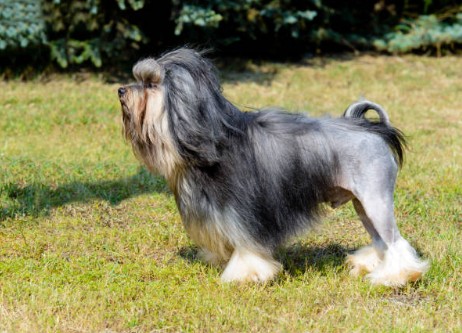
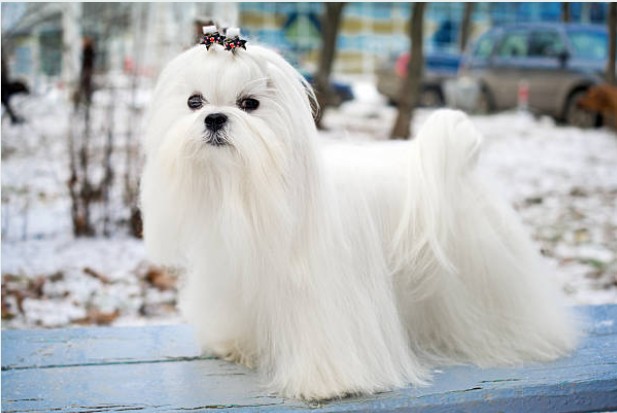
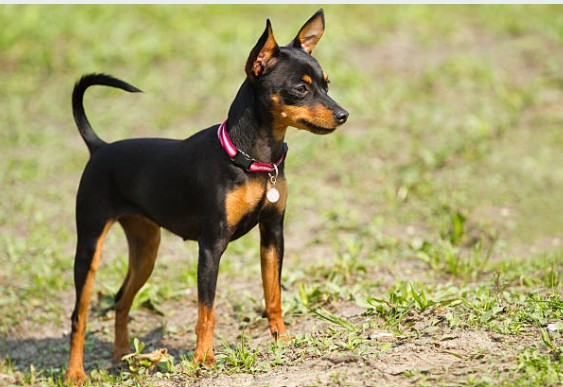
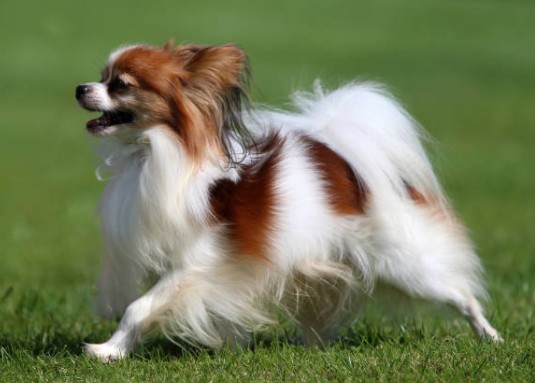
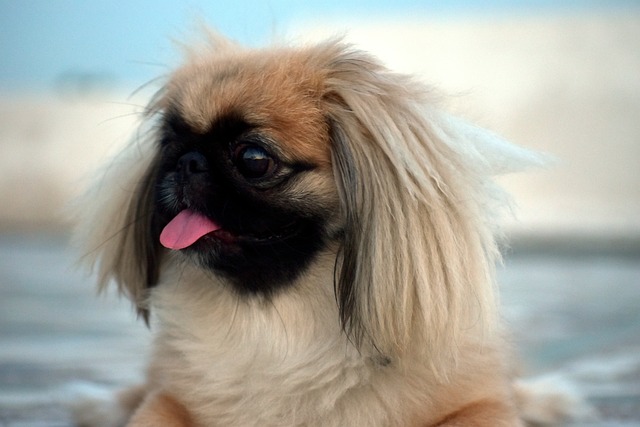
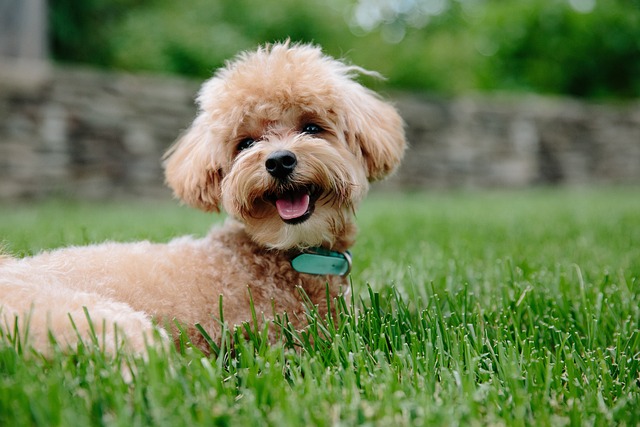
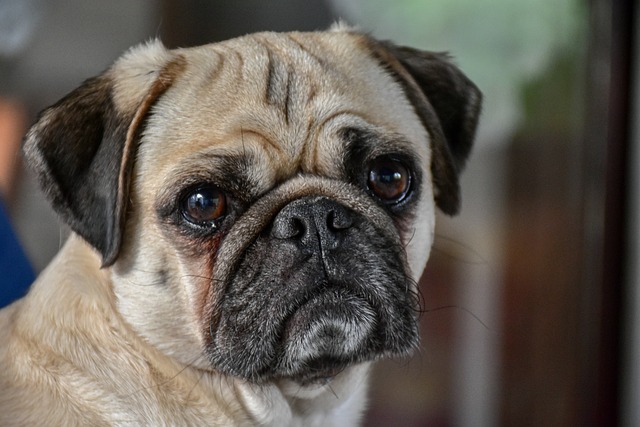
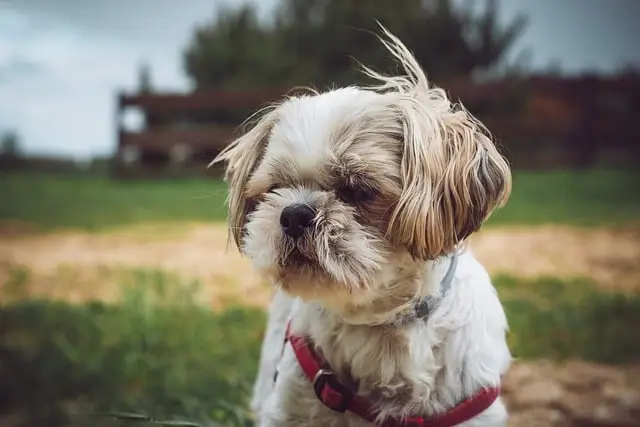
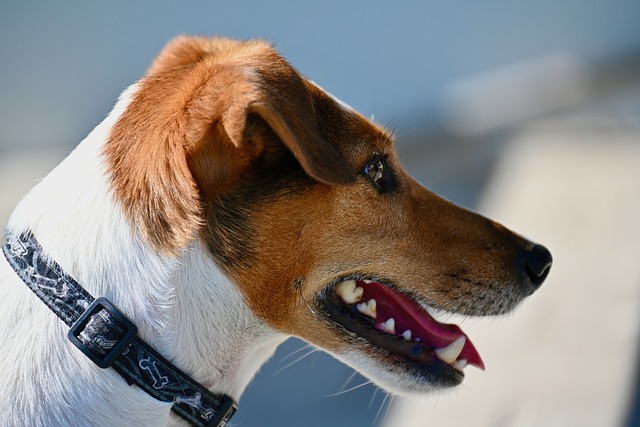
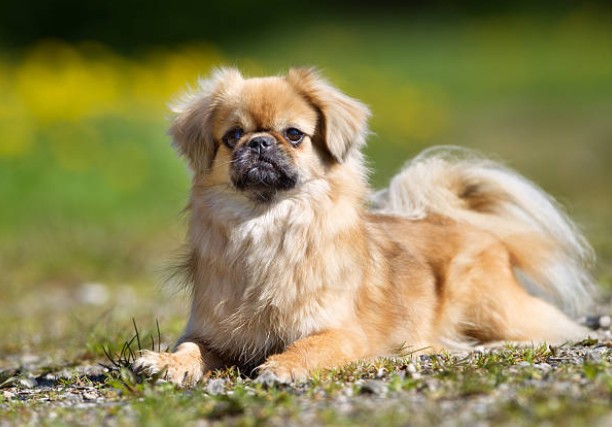
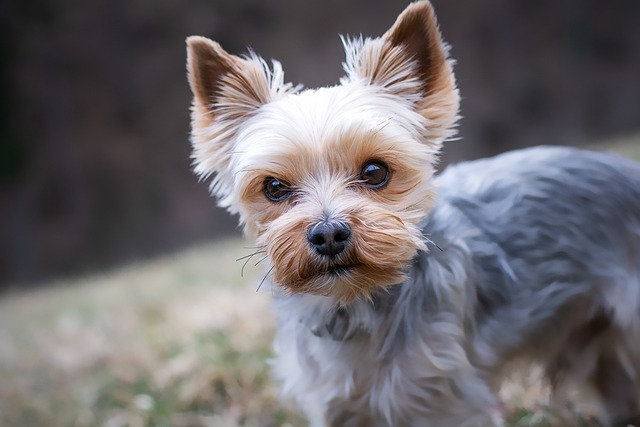
Some toy and small breeds are the most susceptible to suffering from a luxating patella.
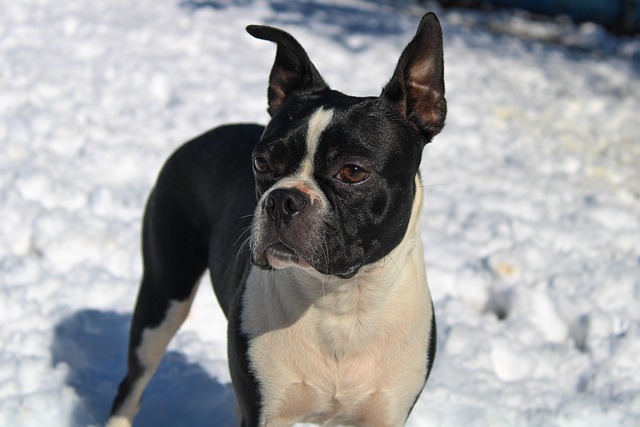
- Boston Terriers, Yorkshire Terriers, Maltese, Bichon Frise, Chihuahuas, Pomeranians, and Toy Poodles have been affected more often than other breeds. Researchers believe there may be a genetic reason that these breeds are affected most often, especially when puppies show symptoms.
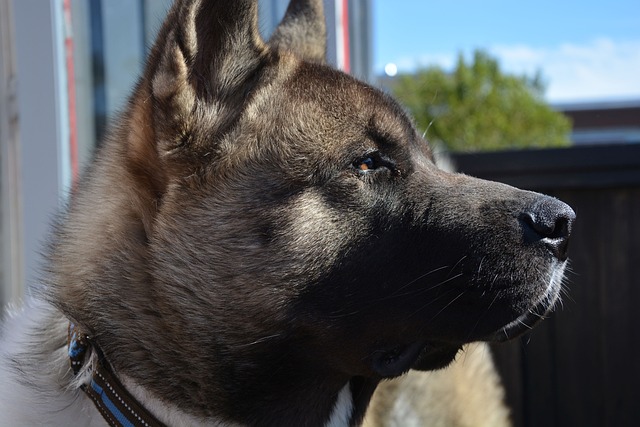
Despite this, data from the Orthopedic Foundation for Animals (OFA) and the Canine Health Foundation show that occurrences of patellar luxation in medium- and large-breed dogs have been on the rise over the past 10 years.
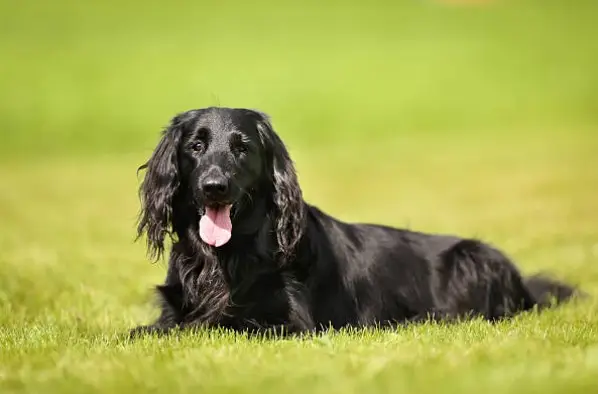
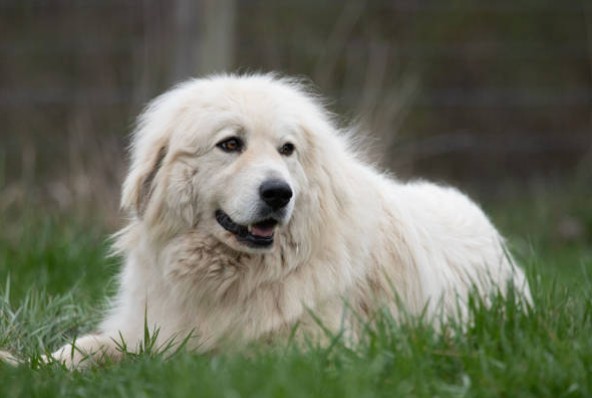
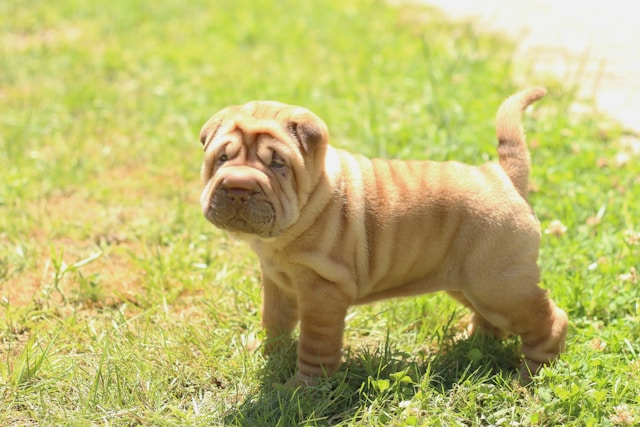
- Dog breeds like the Shiba Inu, Chinese Shar-Pei, Flat-Coated Retriever, Akita, and Great Pyrenees were found to be genetically predisposed to this disease, but the reason for this increase is unknown.
As more studies are done and more detailed health data becomes available, researchers will hopefully discover more about the causes of increased patellar luxation in larger dogs.
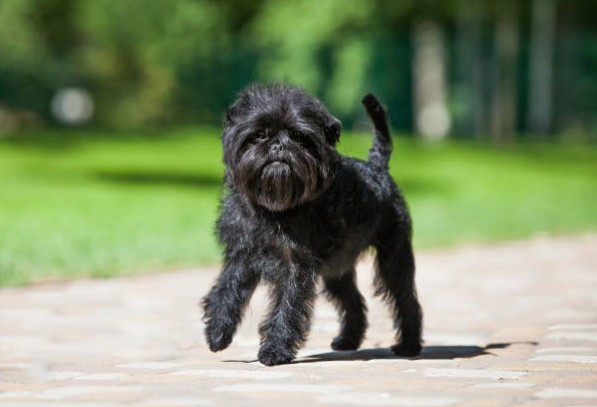
Small Breeds

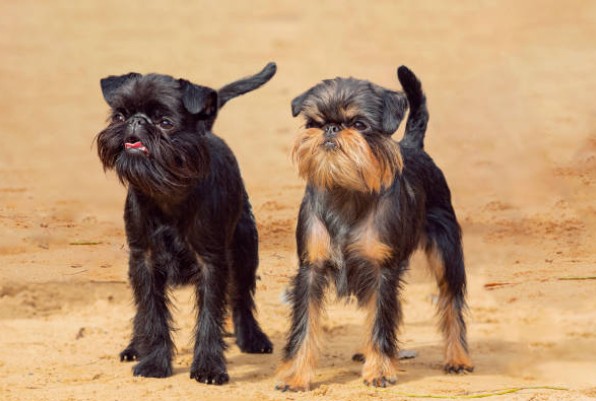
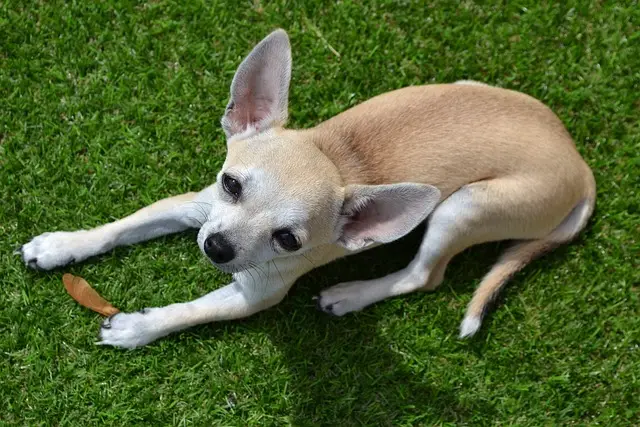
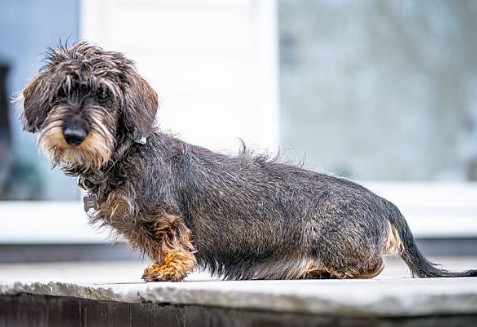
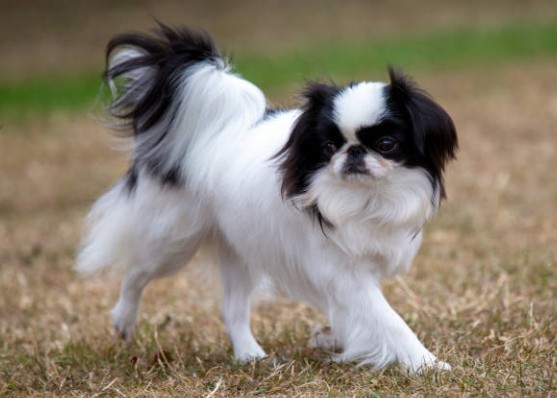
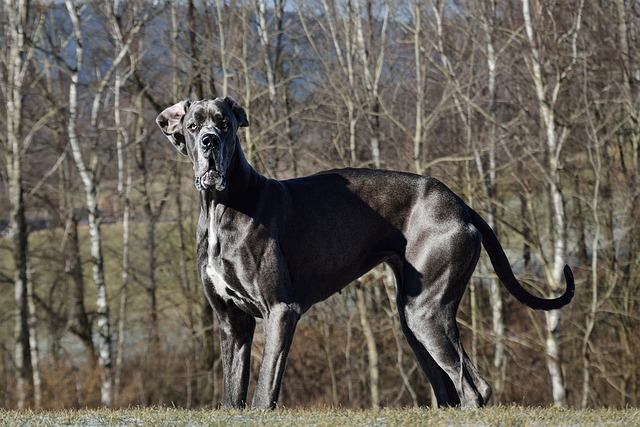
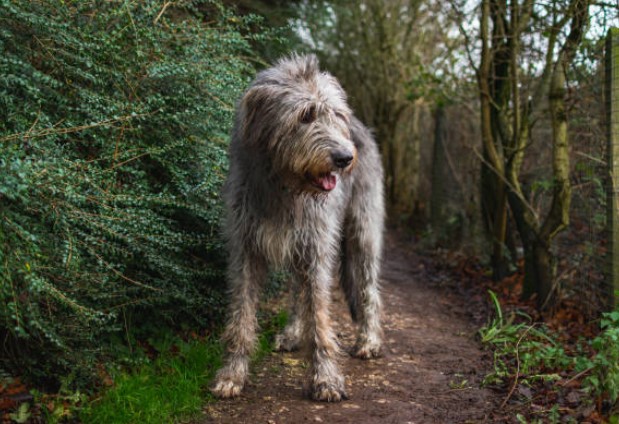
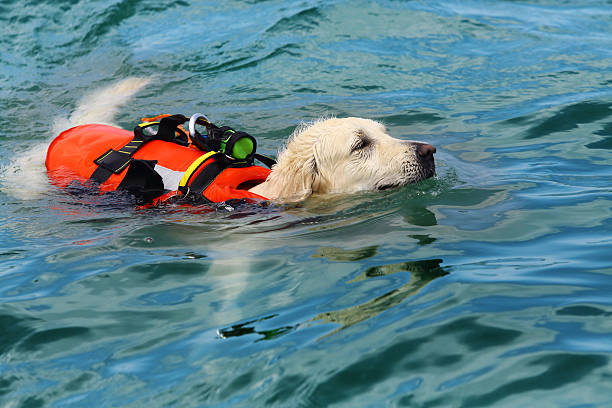
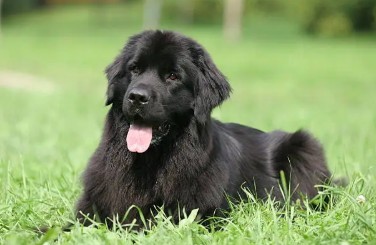
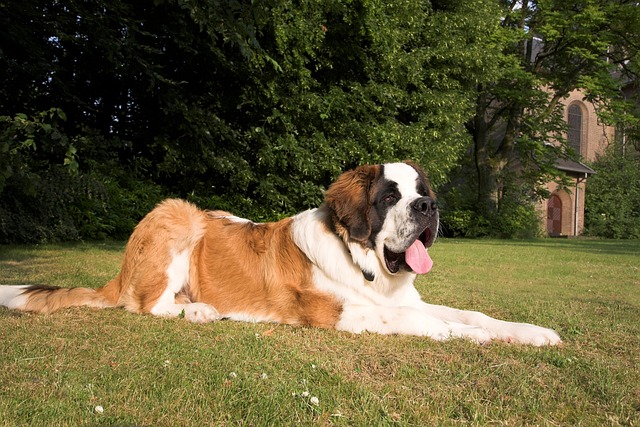
Large Breeds

What is Patella Luxation
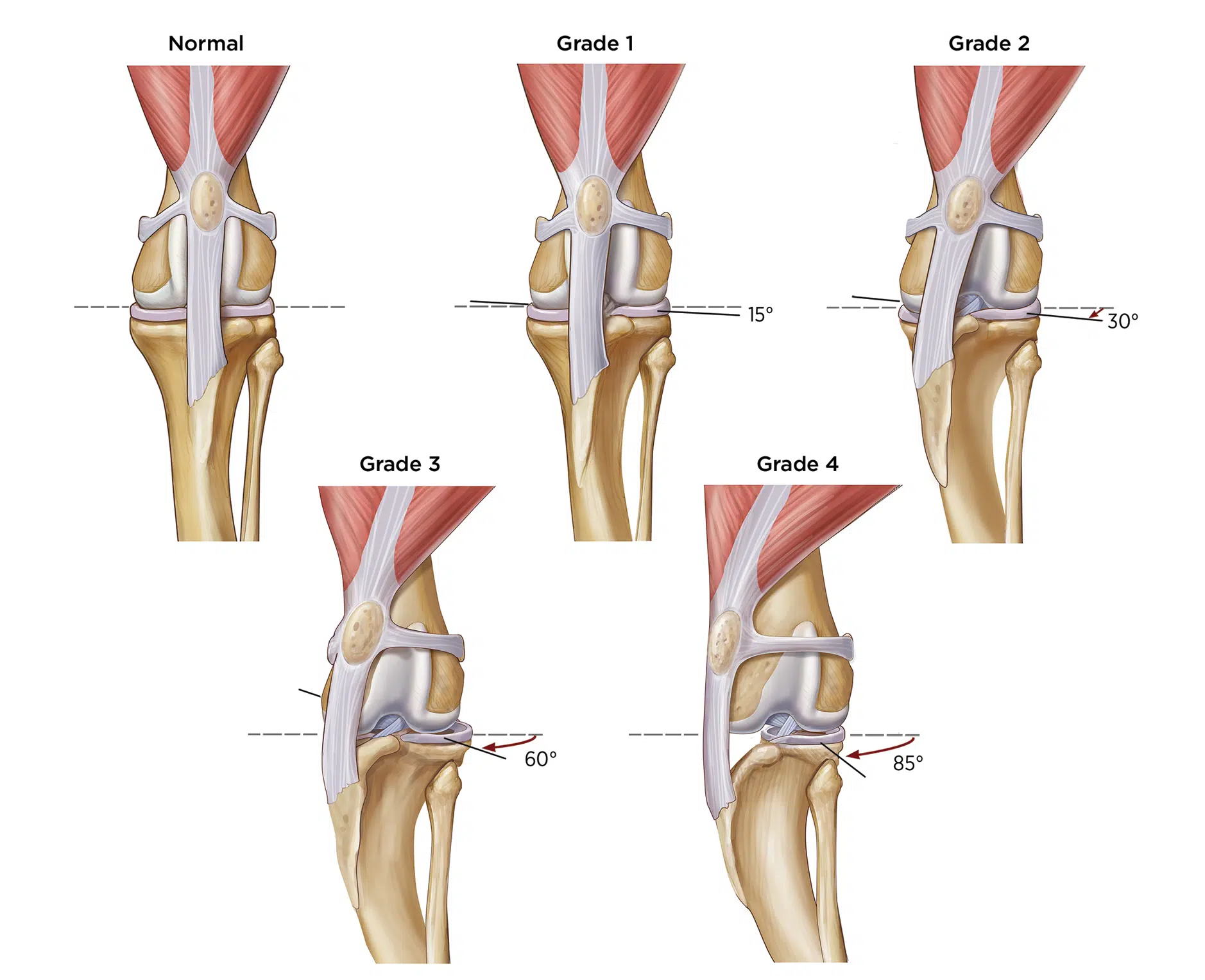
What Is a Luxating Patella in Dogs? (AKC)
What Is a Luxating Patella in Dogs? AKC
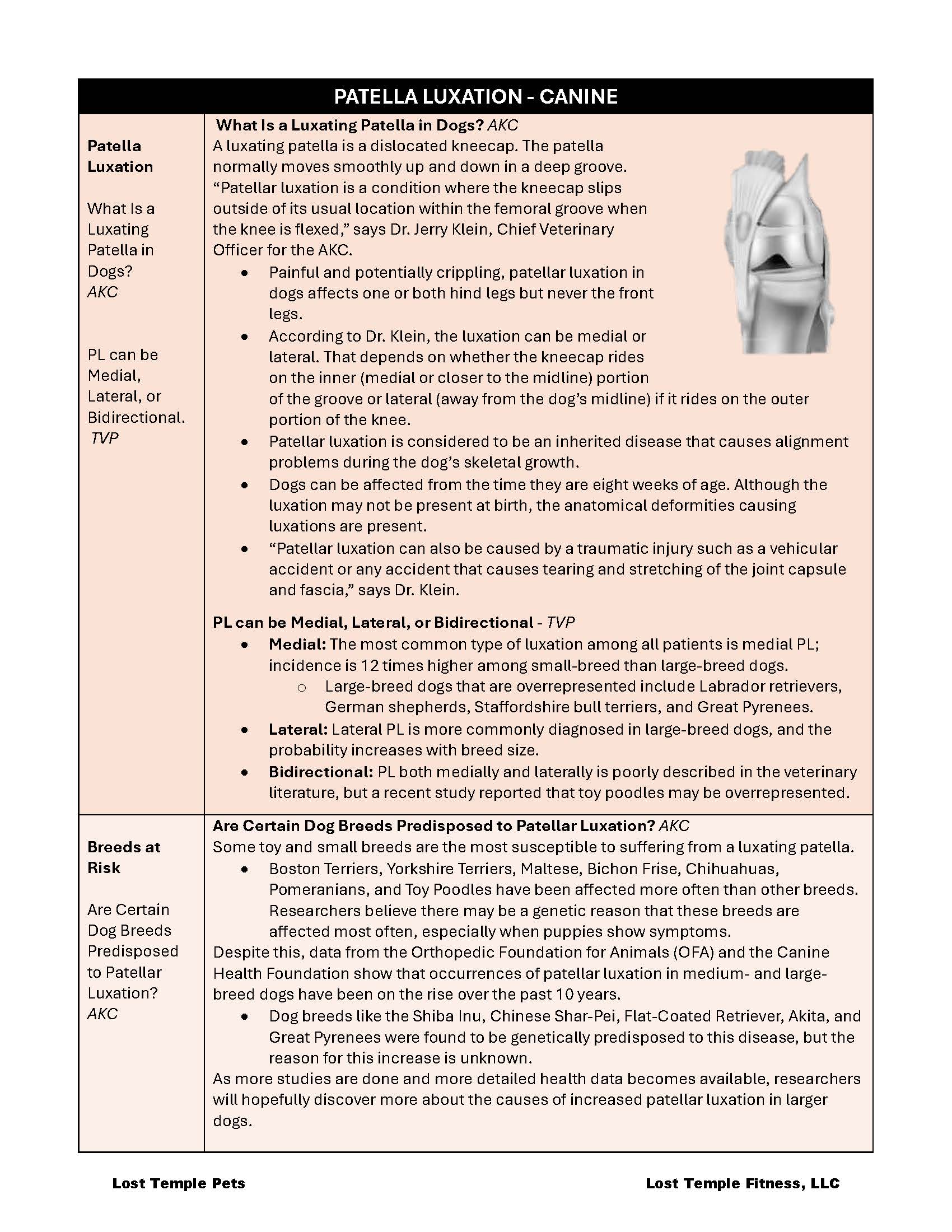
A luxating patella is a dislocated kneecap. The patella normally moves smoothly up and down in a deep groove. “Patellar luxation is a condition where the kneecap slips outside of its usual location within the femoral groove when the knee is flexed,” says Dr. Jerry Klein, Chief Veterinary Officer for the AKC.
- Painful and potentially crippling, patellar luxation in dogs affects one or both hind legs but never the front legs.
- According to Dr. Klein, the luxation can be medial or lateral. That depends on whether the kneecap rides on the inner (medial or closer to the midline) portion of the groove or lateral (away from the dog’s midline) if it rides on the outer portion of the knee.
- Patellar luxation is considered to be an inherited disease that causes alignment problems during the dog’s skeletal growth.
- Dogs can be affected from the time they are eight weeks of age. Although the luxation may not be present at birth, the anatomical deformities causing luxations are present.
- “Patellar luxation can also be caused by a traumatic injury such as a vehicular accident or any accident that causes tearing and stretching of the joint capsule and fascia,” says Dr. Klein.
PL can be Medial, Lateral, or Bidirectional (TVP)
PL can be Medial, Lateral, or Bidirectional – TVP
- Medial: The most common type of luxation among all patients is medial PL; incidence is 12 times higher among small-breed than large-breed dogs.
- Large-breed dogs that are overrepresented include Labrador retrievers, German shepherds, Staffordshire bull terriers, and Great Pyrenees.
- Lateral: Lateral PL is more commonly diagnosed in large-breed dogs, and the probability increases with breed size.
- Bidirectional: PL both medially and laterally is poorly described in the veterinary literature, but a recent study reported that toy poodles may be overrepresented.
Patella Luxation Videos
YouTube Videos that help explain Patella Luxation in Dogs
Disclaimer:
This is for research only and Lost Temple Pets does not endorse any video presented on this website.
It is advised that you ALWAYS CHECK WITH YOUR VETERINARIAN for a proper diagnosis and treatment plan.
Playlist
Causes / Risks
Causes (College of Veterinary Medicine)
Causes – College of Veterinary Medicine
The exact cause of patellar luxation is based on many factors, but genetics play a significant role. Patellar luxation can also occur following trauma.
- The patella is a small bone in the knee joint, situated within a tendon. The patellar tendon sits in a groove at the end of the thighbone (femur) and attaches just below the knee onto the shin bone (tibia). Patellar luxation occurs when the kneecap slides or pops out of place from the femoral groove when the knee flexes, causing the dislocation.
- Dogs with patellar luxation tend to have a more shallow femoral groove or a general malalignment of the limb involving the femur, tibia or hip.
- Luxations can occur on one or both knees, and the dislocation can be either medial or lateral (moving towards the inner or outer aspect of the knee, respectively).
- Medial Patellar Luxation (MPL) is more common, and signs often develop early in a dog’s life — most commonly affecting small breed dogs.
- Lateral luxation occurs less frequently, but it is more common in medium or large-breed dogs, often in tandem with hip dysplasia.
- As patellar luxation progresses, the patella dislocates more easily and frequently — persistently rubbing on the knee joint cartilage and leading to arthritis.
- The strain from the patella dislocating can also predispose dogs to other orthopedic knee conditions, such as cranial cruciate ligament rupture.
Risks in Certain Breeds (TVP)
Risks in Certain Breeds – TVP
Breeds with a predisposition to PL are miniature and toy breeds, including but not limited to Pomeranians, Yorkshire terriers, Chihuahuas, miniature and toy poodles, Pekingese, French bulldogs, Maltese, and Lhasa apsos.
- Because of the overrepresentation of certain breeds, heritability is suspected along with environmental factors thought to contribute to the condition.
- PL commonly affects both hind limbs (30% to 93% of cases), and most cases are diagnosed in dogs younger than 3 years of age.
- PL may also be more common in male large-breed dogs and female small-breed dogs.
Signs & Symptoms
Clinical Signs & Grades (Merck Veterinary Manual)
Clinical Signs & Grades – Merck Veterinary Manual
Clinical signs are variable and based on the severity of luxation.
- Animals of any age may be affected. In general, cats and small and miniature breeds of dogs have a medial luxation, and large dogs have a lateral luxation.
- Affected animals are lame or ambulate with a skipping gait.
- Palpation of the stifle joint reveals displacement of the patella.
Grades
Patellar luxation can be classified according to the level of severity:
- Grade I — Clinical signs are mild and infrequent, and the patella can be manually luxated but easily returns to the trochlear groove.
- Grade II — The patella luxates during flexion of the joint and is repositioned during extension, causing animals to have a resolvable skipping lameness.
- Grade III — the dislocated patella is more frequently out of, instead of in, the trochlear groove, and lameness is consistent. Bone deformities are evident in these animals.
- Grade IV — Lameness and limb deformations are most severe.
Symptoms of a Luxating Patella in Dogs (PetMD)
Symptoms of a Luxating Patella in Dogs – PetMD
The main symptom of a luxating patella in dogs is the sudden lifting of one hind limb while walking or running.
- In this brief, sudden limp, a dog will hold their hindlimb off the ground for a short period of time before walking normally again.
- The affected leg may be held close to the body or extended backwards. This is often termed a “skip” by owners and vets.
- Some dogs will yelp when this occurs, but others will show no signs of discomfort aside from the sudden, short-lived limp.
The following symptoms of patellar luxation, however, can also be seen in other orthopedic conditions:
- Limp that comes and goes
- Bowlegged stance in the hind limbs
- Hunched lower back
- Cracking or popping noises when the knee is bent
In some cases, the dog’s knee(s) are permanently luxated, meaning they’re always dislocated.
- These dogs appear to have a stiff, awkward, bowlegged gait.
- With the kneecap permanently out of place, the leg won’t extend properly.
Diagnoses & Evaluation
How Is a Luxating Patella in Dogs Diagnosed? (AKC)
How Is a Luxating Patella in Dogs Diagnosed? AKC
Patellar luxation is found through a physical examination by your vet. “Radiographs of the knee, tibia, and pelvis will often be performed to assess the integrity of those structures,” Dr. Klein explains, noting that these are especially used when your dog shows signs of lameness or hopping in the back limbs.
- “Advanced imaging, such as CT scans, as performed on humans, are often now performed on dogs to get a complete assessment of not just the orthopedic structures, but of soft tissues such as the all-important tendons and ligaments which help hold orthopedic structures in their place.
- Many dogs need sedation or anesthesia to properly perform the procedures.”
Gait Evaluation – Grade (TVP)
Gait Evaluation – Grade – TVP
Gait evaluation should consist of observing the patient walking toward and away from the clinician and grading any observed lameness by using a numerical rating system or a visual analog scale.
- A patient with lower-grade PL may appear sound during gait examination or may demonstrate only a mild, intermittent skip of the affected hind limb.
- As the grade worsens and osteoarthritis and/or cartilage wear develops, more severe lameness may be apparent.
- In patients with higher-grade luxations (grades III and IV), soft tissue alterations can be more severe and hind limb conformational changes may be present, resulting from displacement of the quadriceps/patellar tendon mechanism over time.
- For patients with higher-grade III and IV medial PL, the changes can result in outward bowing of the stifles (genu varum) and a bowlegged conformation.
- For patients with higher-grade III and IV lateral PLs, inward bowing of the stifles (genu valgum) may be apparent with a knock-kneed conformation.
- Patients with the most severe PL can lose the ability to extend the stifle due to severe malalignment of the extensor mechanism and development of irreversible soft tissue changes around the stifle joint. Thus, early intervention is key.
Treatment / Conservative Management
Treatment (College of Veterinary Medicine)
Treatment – College of Veterinary Medicine
Treatment of patellar luxation depends on the severity of the condition and a dog’s individual clinical signs.
Most mild cases without clinical signs do not require any treatment. Conservative medical management for dogs with intermittent or infrequent lameness, or for those who have developed arthritis secondary to patellar luxation, treatment may include the following:
- Maintaining an ideal weight
- Joint supplements
- Pain medications (e.g., nonsteroidal anti-inflammatories or NSAIDs)
- Exercise restriction
- Physical rehabilitation
Your veterinarian may recommend surgery if your dog has more advanced patellar luxation or persistent lameness.
- If you choose to move forward with an operation, there are a few different surgical approaches, and your veterinarian will help determine which is best for your dog.
Treatment Options For Luxating Patella in Dogs (AKC)
Treatment Options For Luxating Patella in Dogs – AKC
A luxating patella is something that needs veterinary attention. “Although the displacement may be intermittent, a luxating patella in dogs is not going to improve on its own,” says Dr. Klein.
- “In some cases, especially in Grade I conditions, the dog may be able to tolerate the condition if exercise is restricted, and anti-inflammatory medications help.
- But as those dogs age, they’re likely to develop arthritis in the knee joint, which will decrease mobility and increase pain.”
- A dog with a luxating patella is also predisposed to suffer other knee and leg injuries, like torn cruciate ligaments and degenerative joint disease in the hip.
- “Depending on the grade or severity of the luxation, the surgeon may give you various options, from waiting to see if the luxation worsens to performing surgery sooner rather than later,” says Dr. Klein.
- “Over time, and if the luxation worsens, the kneecap will slip more out of its groove, eroding cartilage and eventually leading to an arthritic joint that causes significant pain.
- Surrounding structures can also become strained as their use increases to properly stabilize a joint.”
Conservative Management (TVP)
Conservative Management – TVP
Nonsurgical management is typically elected for patients with grade I PL and subclinical cases (asymptomatic grade II). All cases that are to be conservatively managed require thorough client education and an active surveillance plan.
Recommendations for conservative management are as follows:
- Provide pain management, if indicated, such as nonsteroidal anti-inflammatory drugs with or without neuropathic pain medications (e.g., gabapentin, amantadine given preemptively to avoid windup).
- Achieve and maintain a lean body weight.
- Develop a lifestyle of regular but moderate activity.
- Provide physical therapy to strengthen the quadriceps muscle and lateral thigh musculature. Targeted strengthening exercises can include sit-to-stand exercises, step ups, hill walking, physio ball core stability, and swimming/underwater treadmill.
The PL grade (i.e., severity) is a single snapshot in time for each patient.
- For example, a patient with grade II medial PL may be asymptomatic at a visit, but as the patella luxates medially, it can wear down the medial trochlear ridge, which can lead to cartilage loss and clinical signs.
- As the luxation continues, the same patient can exhibit a grade III medial PL, conformational changes, and more advanced soft tissue alterations months to years later.
- Intervention for that patient as soon as clinical signs develop and before more advanced changes develop is preferred. Thus, serial evaluations and client education, which allow for prompt surgical intervention when indicated, are recommended.
- The timeline for when to reevaluate patients should be decided on a case-by-case basis.
A rough outline of the author’s recheck preferences for nonsurgical PL cases is as follows:
- Incidental grade I : Educate clients on signs of lameness that may develop and encourage them to take videos for evaluation by the veterinary team.
- After the patient’s first diagnosis, schedule a recheck visit in 6 months, or sooner if clinical signs develop.
- If static in 6 months, then recheck at annual wellness examinations, documenting PL grade, direction, and feel (smooth or crepitant).
- Occult grade II : Educate clients and recheck the patient in 3 to 6 months, or sooner if signs of lameness develop.
- If clinical signs are static after 6 months, then recheck at annual wellness examinations, documenting PL grade, direction, and feel (smooth or crepitant).
Surgical Options
Surgical Treatment for Luxating Patella in Dogs (PetMD)
Surgical Treatment for Luxating Patella in Dogs – PetMD
Surgery for a luxating patella in dogs is significantly more involved. This procedure involves making alterations to the knee joint to help the joint have a more normal anatomy, such as:
- Changing where certain ligaments attach in the knee (tibial tuberosity transposition)
- Deepening the groove at the end of the femur that the patella rests in (trochlear wedge resection)
- Tightening the joint capsule around the knee (lateral capsular imbrication)
Pet parents may pursue surgery in severe cases, or in cases where medical treatment has failed. As with any surgery, it comes with risks and the potential for complications.
- The most common postoperative problem in MPL surgery is that the luxating patella will come back.
Other potential complications include:
- Implant failure (breakage)
- Under-/overcorrection
- Avulsions (separations or detachments)
- Fractures
- Infections
- Seromas (fluid-filled pockets)
- Progressive arthritis
- Large-breed dogs and obese dogs are at higher risk for these issues due to increased strain on the knee joints.
Recovery and Management of Luxating Patella in Dogs
- Medical management of a luxating patella in dogs, meaning the pet doesn’t get surgery, can take several weeks to show improvement.
- This option may also need to be repeated periodically throughout your dog’s life, depending on how often flare-ups occur.
- Exercise is a common reason for flare-ups, but sometimes flare-ups occur for no apparent reason.
- Surgical correction has a much longer recovery period—at least eight weeks, often longer.
- Regular rechecks with the veterinary surgeon are a crucial part of your dog’s recovery after surgery.
Prevention
Prevention of Luxating Patella in Dogs (PetMD)
Prevention of Luxating Patella in Dogs – PetMD
Most dogs with a luxating patella are genetically predisposed to the condition. This means there is nothing a pet parent can do to prevent the condition.
- Although a pet parent cannot prevent most cases of kneecap dislocation, they can help their pet by keeping them at a healthy weight.
- A healthy body condition slows the progression of arthritis that can result from patellar luxation.
- Traumatic luxation of the kneecap can be prevented by keeping your dog on a leash or in a fenced yard to prevent injury.
References
References
ACVS – American College of Veterinary Surgeons – Patellar Luxation
https://www.acvs.org/small-animal/patellar-luxations/
AKC – American Kennel Club – Luxating Patella: Causes, Symptoms, and Treatment
By Harriet Meyers
Updated: Aug 11, 2023
https://www.akc.org/expert-advice/health/luxating-patella-dog/
College of Veterinary Medicine – Patellar luxation
Dr. Aly Cohen – Cornell Richard P. Riney Canine Health Center
https://www.vet.cornell.edu/departments-centers-and-institutes/riney-canine-health-center/canine-health-information/patellar-luxation
Merck Veterinary Manual (Professional Version) – Patellar Luxation in Dogs and Cats
By Joseph Harari, MS, DVM, DACVS, Veterinary Surgical Specialists, Spokane, WA
Reviewed/Revised Nov 2020 | Modified Sept 2024
PetMD – Luxating Patella in Dogs: What Is It, and How Is It Treated?
By Matthew Everett Miller, DVM. Reviewed by Rhiannon Koehler, DVM
https://www.petmd.com/dog/conditions/musculoskeletal/luxating-patella-in-dogs
TVP – Today’s Veterinary Practice
Canine Patellar Luxation: Diagnosis and Treatment Options for General Practitioners
February 17, 2025 Issue: March/April 2025
Arthritis/Breed Chart
| Breed | ORTHOPEDIC | Elbow Displasia | Hip Displasia | Legg-Calve-Perthes | Patella Luxation |
|---|---|---|---|---|---|
| Affenpinscher | Hip Displasia Legg-Calve-Perthes Patella Luxation | Hip Displasia | Legg-Calve-Perthes | Patella Luxation | |
| Afghan Hound | Hip Displasia | Hip Displasia | |||
| Airedale Terrier | Elbow Displasia Hip Displasia | Elbow Displasia | Hip Displasia | ||
| Akita (American) | Elbow Displasia Hip Displasia Patella Luxation | Elbow Displasia | Hip Displasia | Patella Luxation | |
| Alaskan Malamute | Elbow Displasia Hip Displasia | Elbow Displasia | Hip Displasia | ||
| American Eskimo, Toy and Standard | Elbow Displasia Hip Displasia Legg-Calve-Perthes Patella Luxation | Elbow Displasia | Hip Displasia | Legg-Calve-Perthes | Patella Luxation |
| American Foxhound | |||||
| American Pitt Bull Terrier | |||||
| American Staffordshire Terrier | Elbow Displasia Hip Displasia | Elbow Displasia | Hip Displasia | ||
| American Water Spaniel | Hip Displasia | Hip Displasia | |||
| Anatolian Shepherd Dog | Elbow Displasia Hip Displasia | Elbow Displasia | Hip Displasia | ||
| Australian Cattle Dog | Elbow Displasia Hip Displasia Patella Luxation | Elbow Displasia | Hip Displasia | Patella Luxation | |
| Australian Shepherd | Elbow Displasia Hip Displasia | Elbow Displasia | Hip Displasia | ||
| Australian Terrier | |||||
| Basenji | Hip Displasia | Hip Displasia | |||
| Basset Hound | |||||
| Beagle | Elbow Displasia Hip Displasia Patella Luxation | Elbow Displasia | Hip Displasia | Patella Luxation | |
| Bearded Collie | Hip Displasia | Hip Displasia | |||
| Beauceron | Elbow Displasia Hip Displasia | Elbow Displasia | Hip Displasia | ||
| Bedlington Terrier | |||||
| Belgian Groenendael | Elbow Displasia Hip Displasia | Elbow Displasia | Hip Displasia | ||
| Belgian Malinois | Elbow Displasia Hip Displasia | Elbow Displasia | Hip Displasia | ||
| Belgian Tervuren | Elbow Displasia Hip Displasia | Elbow Displasia | Hip Displasia | ||
| Bernese Mountain Dog | Elbow Displasia Hip Displasia | Elbow Displasia | Hip Displasia | ||
| Bichon Frise’ | Hip Displasia Legg-Calve-Perthes Patella Luxation | Hip Displasia | Legg-Calve-Perthes | Patella Luxation | |
| Black and Tan Coonhound | Elbow Displasia Hip Displasia | Elbow Displasia | Hip Displasia | ||
| Black Russian Terrier | Elbow Displasia Hip Displasia | Elbow Displasia | Hip Displasia | ||
| Bloodhound | Elbow Displasia Hip Displasia Patella Luxation | Elbow Displasia | Hip Displasia | Patella Luxation | |
| Boerboel | Hip Displasia | Hip Displasia | |||
| Border Collie | Elbow Displasia Hip Displasia | Elbow Displasia | Hip Displasia | ||
| Border Terrier | Hip Displasia Patella Luxation | Hip Displasia | Patella Luxation | ||
| Borzoi | Elbow Displasia Hip Displasia | Elbow Displasia | Hip Displasia | ||
| Boston Terrier | Patella Luxation | Patella Luxation | |||
| Bouvier des Flandres | Elbow Displasia Hip Displasia | Elbow Displasia | Hip Displasia | ||
| Boxer | Hip Displasia | Hip Displasia | |||
| Briard | Elbow Displasia Hip Displasia | Elbow Displasia | Hip Displasia | ||
| Brittany | Elbow Displasia Hip Displasia | Elbow Displasia | Hip Displasia | ||
| Brussels Griffon | Hip Displasia Patella Luxation | Hip Displasia | Patella Luxation | ||
| Bull Terrier | Patella Luxation | Patella Luxation | |||
| Bull Terrier, Miniature | |||||
| Bulldog, English | Elbow Displasia Hip Displasia Patella Luxation | Elbow Displasia | Hip Displasia | Patella Luxation | |
| Bullmastiff | Elbow Displasia Hip Displasia | Elbow Displasia | Hip Displasia | ||
| Cairn Terrier | Patella Luxation | Patella Luxation | |||
| Canaan Dog | Elbow Displasia Hip Displasia Patella Luxation | Elbow Displasia | Hip Displasia | Patella Luxation | |
| Cane Corso (Italian Mastiff) | Elbow Displasia Hip Displasia Patella Luxation | Elbow Displasia | Hip Displasia | Patella Luxation | |
| Caucasian Shepherd | Elbow Displasia Hip Displasia Patella Luxation | Elbow Displasia | Hip Displasia | Patella Luxation | |
| Cavalier King Charles Spaniel | Hip Displasia Patella Luxation | Hip Displasia | Patella Luxation | ||
| Chesapeake Bay Retriever | Elbow Displasia Hip Displasia | Elbow Displasia | Hip Displasia | ||
| Chihuahua | Patella Luxation | Patella Luxation | |||
| Chinese Shar-Pei | Elbow Displasia Hip Displasia Patellar Luxation | Elbow Displasia | Hip Displasia | Patella Luxation | |
| Chinese Crested | Elbow Displasia Hip Displasia Legg-Calve-Perthes | Elbow Displasia | Hip Displasia | Legg-Calve-Perthes | |
| Chow Chow | Elbow Displasia Hip Displasia Patella Luxation | Elbow Displasia | Hip Displasia | Patella Luxation | |
| Clumber Spaniel | Elbow Displasia Hip Displasia | Elbow Displasia | Hip Displasia | ||
| Cocker Spaniel (American) | Hip Displasia | Hip Displasia | |||
| Collie, Rough / Smooth Coat | |||||
| Curly Coated Retriever | Elbow Displasia Hip Displasia | Elbow Displasia | Hip Displasia | ||
| Dachshund | Patella Luxation | Patella Luxation | |||
| Dalmation | Hip Displasia | Hip Displasia | |||
| Dandie Dinmont Terrier | |||||
| Doberman Pinscher | Hip Displasia | Hip Displasia | |||
| Dogo Argentino | Hip Displasia | Hip Displasia | |||
| Dogue de Bordeaux (Mastiff) | Elbow Displasia Hip Displasia Patella Luxation | Elbow Displasia | Hip Displasia | Patella Luxation | |
| English Cocker Spaniel | Hip Displasia Patella Luxation | Hip Displasia | Patella Luxation | ||
| English Foxhound | |||||
| English Setter | Elbow Displasia Hip Displasia | Elbow Displasia | Hip Displasia | ||
| English Springer Spaniel | Elbow Displasia Hip Displasia | Elbow Displasia | Hip Displasia | ||
| English Toy Spaniel AKA King Charles Spaniel | Patella Luxation | Patella Luxation | |||
| Field Spaniel | Elbow Displasia Hip Displasia Patella Luxation | Elbow Displasia | Hip Displasia | Patella Luxation | |
| Finnish Spitz | |||||
| Flat-Coated Retriever | Hip Displasia Patellar Luxation | Hip Displasia | Patella Luxation | ||
| Fox Terrier, Smooth | Patella Luxation | Patella Luxation | |||
| Fox Terrier, Toy | Legg-Calve-Perthes Patellar Luxation | Legg-Calve-Perthes | Patella Luxation | ||
| Fox Terrier, Wire | Patella Luxation | Patella Luxation | |||
| French Bulldog | Elbow Displasia Hip Displasia Patella Luxation | Elbow Displasia | Hip Displasia | Patella Luxation | |
| German Pinscher | Hip Displasia | Hip Displasia | |||
| German Shepherd | Elbow Displasia Hip Displasia | Elbow Displasia | Hip Displasia | ||
| German Shorthaired Pointer | Elbow Displasia Hip Displasia | Elbow Displasia | Hip Displasia | ||
| German Wirehaired Pointer | Elbow Displasia Hip Displasia | Elbow Displasia | Hip Displasia | ||
| Glen of Imaal Terrier | Elbow Displasia Hip Displasia | Elbow Displasia | Hip Displasia | ||
| Golden Retriever | Elbow Displasia Hip Displasia | Elbow Displasia | Hip Displasia | ||
| Gordon Setter | Elbow Displasia Hip Displasia | Elbow Displasia | Hip Displasia | ||
| Great Dane | Hip Displasia | Hip Displasia | |||
| Great Pyrenees | Elbow Displasia Hip Displasia Patella Luxation | Elbow Displasia | Hip Displasia | Patella Luxation | |
| Greater Swiss Mountain Dog | Elbow Displasia Hip Displasia Shoulder Dysplasia | Elbow Displasia | Hip Displasia | ||
| Greyhound | |||||
| Harrier | Hip Displasia | Hip Displasia | |||
| Havanese | Hip Displasia Patellar Luxation | Hip Displasia | Patella Luxation | ||
| Ibizan Hound | Hip Displasia | Hip Displasia | |||
| Irish Setter | Hip Displasia | Hip Displasia | |||
| Irish Terrier | |||||
| Irish Water Spaniel | Elbow Displasia Hip Displasia | Elbow Displasia | Hip Displasia | ||
| Irish Wolfhound | Elbow Displasia Hip Displasia | Elbow Displasia | Hip Displasia | ||
| Italian Greyhound | Hip Displasia Legg-Calve-Perthes Patellar Luxation | Hip Displasia | Legg-Calve-Perthes | Patella Luxation | |
| Japanese Chin | Patella Luxation | Patella Luxation | |||
| Keeshond | Elbow Displasia Hip Displasia Patellar Luxation | Elbow Displasia | Hip Displasia | Patella Luxation | |
| Kerry Blue Terrier | Hip Displasia | Hip Displasia | |||
| Komondor | Hip Displasia | Hip Displasia | |||
| Kuvasz | Elbow Displasia Hip Displasia Patella Luxation | Elbow Displasia | Hip Displasia | Patella Luxation | |
| Labrador Retriever | Elbow Displasia Hip Displasia | Elbow Displasia | Hip Displasia | ||
| Lakeland Terrier | |||||
| Lhasa Apso | |||||
| Lowchen | Hip Displasia Patella Luxation | Hip Displasia | Patella Luxation | ||
| Maltese | Patella Luxation | Patella Luxation | |||
| Manchester Terrier Toy | Legg-Calve-Perthes Patella Luxation | Legg-Calve-Perthes | Patella Luxation | ||
| Manchester Terrier, Standard | Legg-Calve-Perthes Patella Luxation | Legg-Calve-Perthes | Patella Luxation | ||
| Mastiff | Elbow Displasia Hip Displasia Patella Luxation | Elbow Displasia | Hip Displasia | Patella Luxation | |
| Miniature Pincher | Legg-Calve-Perthes Patella Luxation | Legg-Calve-Perthes | Patella Luxation | ||
| Neapolitan Mastiff | Elbow Displasia Hip Displasia | Elbow Displasia | Hip Displasia | ||
| Newfoundland | Elbow Displasia Hip Displasia | Elbow Displasia | Hip Displasia | ||
| Norfolk Terrier | Hip Displasia Patellar Luxation | Hip Displasia | Patella Luxation | ||
| Norwegian Buhund | Hip Displasia | Hip Displasia | |||
| Norwegian Elkhound | Hip Displasia Patellar Luxation | Hip Displasia | Patella Luxation | ||
| Norwich Terrier | Hip Displasia Patellar Luxation | Hip Displasia | Patella Luxation | ||
| Nova Scotia Duck Tolling Retriever | Hip Displasia | Hip Displasia | |||
| Old English Sheepdog | Hip Displasia | Hip Displasia | |||
| Otterhound | Elbow Displasia Hip Displasia | Elbow Displasia | Hip Displasia | ||
| Papillon | Patellar Luxation | Patella Luxation | |||
| Parsons Russell Terrier | Patellar Luxation | Patella Luxation | |||
| Pekingese | |||||
| Petit Basset Griffon Vendeen (PBGV) | |||||
| Pharaoh Hound | Hip Displasia Patellar Luxation | Hip Displasia | Patella Luxation | ||
| Plott Hound | |||||
| Pointer | Elbow Displasia Hip Displasia | Elbow Displasia | Hip Displasia | ||
| Polish Lowland Sheepdog | Hip Displasia | Hip Displasia | |||
| Pomeranian | Hip Displasia Legg-Calve-Perthes Patella Luxation | Hip Displasia | Legg-Calve-Perthes | Patella Luxation | |
| Poodle, Miniature | Hip Displasia Patellar Luxation | Hip Displasia | Patella Luxation | ||
| Poodle, Standard | Hip Displasia | Hip Displasia | |||
| Poodle, Toy | Patella Luxation | Patella Luxation | |||
| Portuguese Water Dog | Hip Displasia Patella Luxation | Hip Displasia | Patella Luxation | ||
| Presa Canario | Hip Displasia | Hip Displasia | |||
| Pug | Elbow Displasia Hip Displasia Patella Luxation | Elbow Displasia | Hip Displasia | Patella Luxation | |
| Puli | Elbow Displasia Hip Displasia Patella Luxation | Elbow Displasia | Hip Displasia | Patella Luxation | |
| Pyrenean Shepherd | Elbow Displasia Hip Displasia | Elbow Displasia | Hip Displasia | ||
| Rhodesian Ridgeback | Elbow Displasia Hip Displasia | Elbow Displasia | Hip Displasia | ||
| Rottweiler | Elbow Displasia Hip Displasia | Elbow Displasia | Hip Displasia | ||
| Saluki | Hip Displasia | Hip Displasia | |||
| Samoyed | Hip Displasia | Hip Displasia | |||
| Schipperke | Hip Displasia Patella Luxation | Hip Displasia | Patella Luxation | ||
| Schnauzer, Miniature | |||||
| Schnauzer, Giant | Elbow Displasia Hip Displasia | Elbow Displasia | Hip Displasia | ||
| Schnauzer, Standard | Hip Displasia | Hip Displasia | |||
| Scottish Deerhound | Hip Displasia | Hip Displasia | |||
| Scottish Terrier | |||||
| Sealyham Terrier | |||||
| Shetland Sheepdog | Hip Displasia Patella Luxation | Hip Displasia | Patella Luxation | ||
| Shiba Inu | Hip Displasia Patella Luxation | Hip Displasia | Patella Luxation | ||
| Shih Tzu | Hip Displasia Patella Luxation | Hip Displasia | |||
| Siberian Husky | Elbow Displasia Hip Displasia | Elbow Displasia | Hip Displasia | ||
| Silky Terrier | Patellar Luxation | Patella Luxation | |||
| Skye Terrier | |||||
| Soft-Coated Wheaten Terrier | Elbow Displasia Hip Displasia | Elbow Displasia | Hip Displasia | ||
| Spinone Italiano | Elbow Displasia Hip Displasia | Elbow Displasia | Hip Displasia | ||
| St. Bernard | Elbow Displasia Hip Displasia | Elbow Displasia | Hip Displasia | ||
| Staffordshire Bull Terrier | Elbow Displasia Hip Displasia Patella Luxation | Elbow Displasia | Hip Displasia | Patella Luxation | |
| Sussex Spaniel | |||||
| Swedish Vallhund | Hip Displasia | Hip Displasia | |||
| Tibetan Mastiff | Elbow Displasia Hip Displasia | Elbow Displasia | Hip Displasia | ||
| Tibetan Spaniel | Patellar Luxation | Patella Luxation | |||
| Tibetan Terrier | Elbow Displasia Hip Displasia Patellar Luxation | Elbow Displasia | Hip Displasia | Patella Luxation | |
| Tosa | Hip Displasia | Hip Displasia | |||
| Vizsla | Elbow Displasia Hip Displasia Patellar Luxation | Elbow Displasia | Hip Displasia | Patella Luxation | |
| Weimaraner | Elbow Displasia Hip Displasia | Elbow Displasia | Hip Displasia | ||
| Welsh Corgi, Cardigan | Hip Displasia | Hip Displasia | |||
| Welsh Corgi, Pembroke | Hip Displasia | Hip Displasia | |||
| Welsh Springer Spaniel | Elbow Displasia Hip Displasia | Elbow Displasia | Hip Displasia | ||
| Welsh Terrier | |||||
| West Highland White Terrier | Hip Displasia Patellar Luxation | Hip Displasia | Patella Luxation | ||
| Whippet | Hip Displasia | Hip Displasia | |||
| Wirehaired Pointing Griffon | Elbow Displasia Hip Displasia | Elbow Displasia | Hip Displasia | ||
| Yorkshire Terrier | Hip Displasia Legg-Calve-Perthes Patellar Luxation | Hip Displasia | Legg-Calve-Perthes | Patella Luxation |