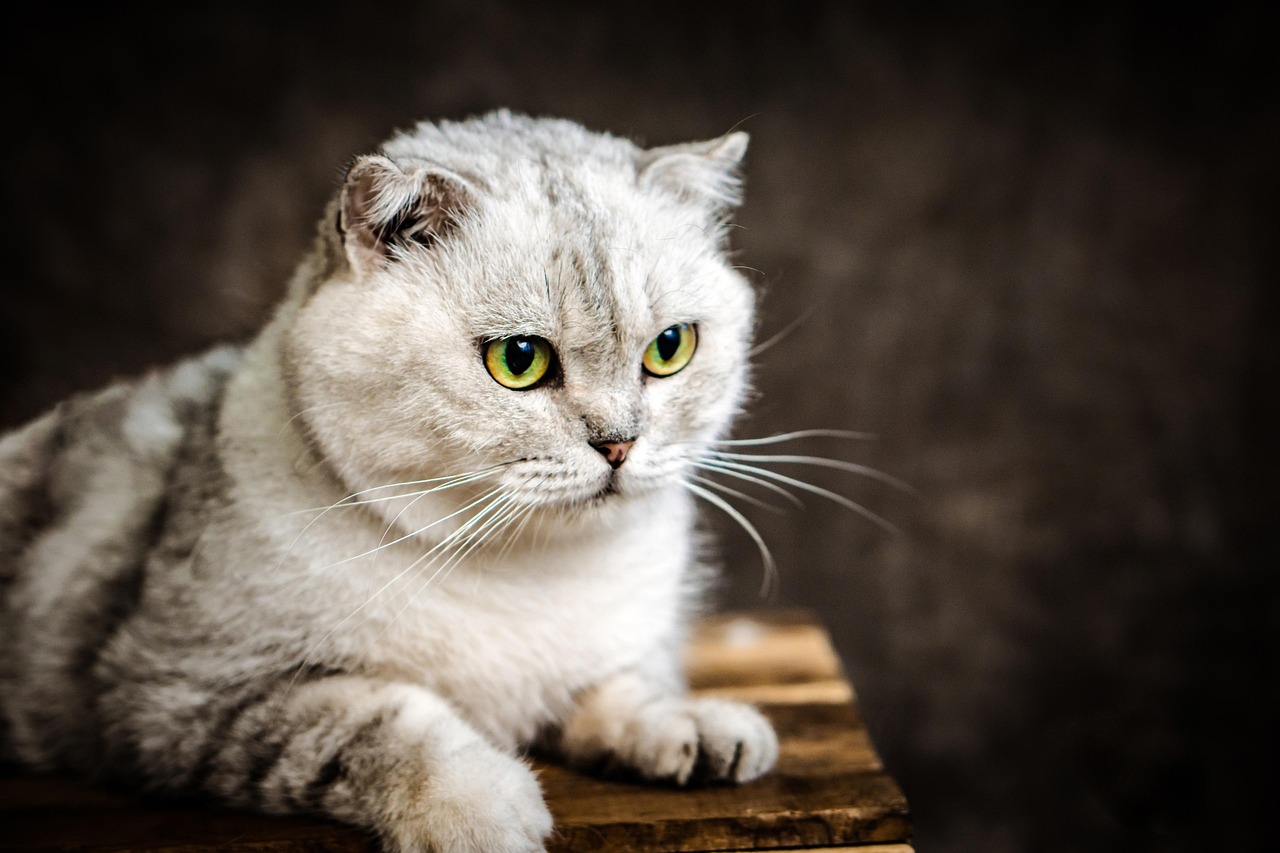
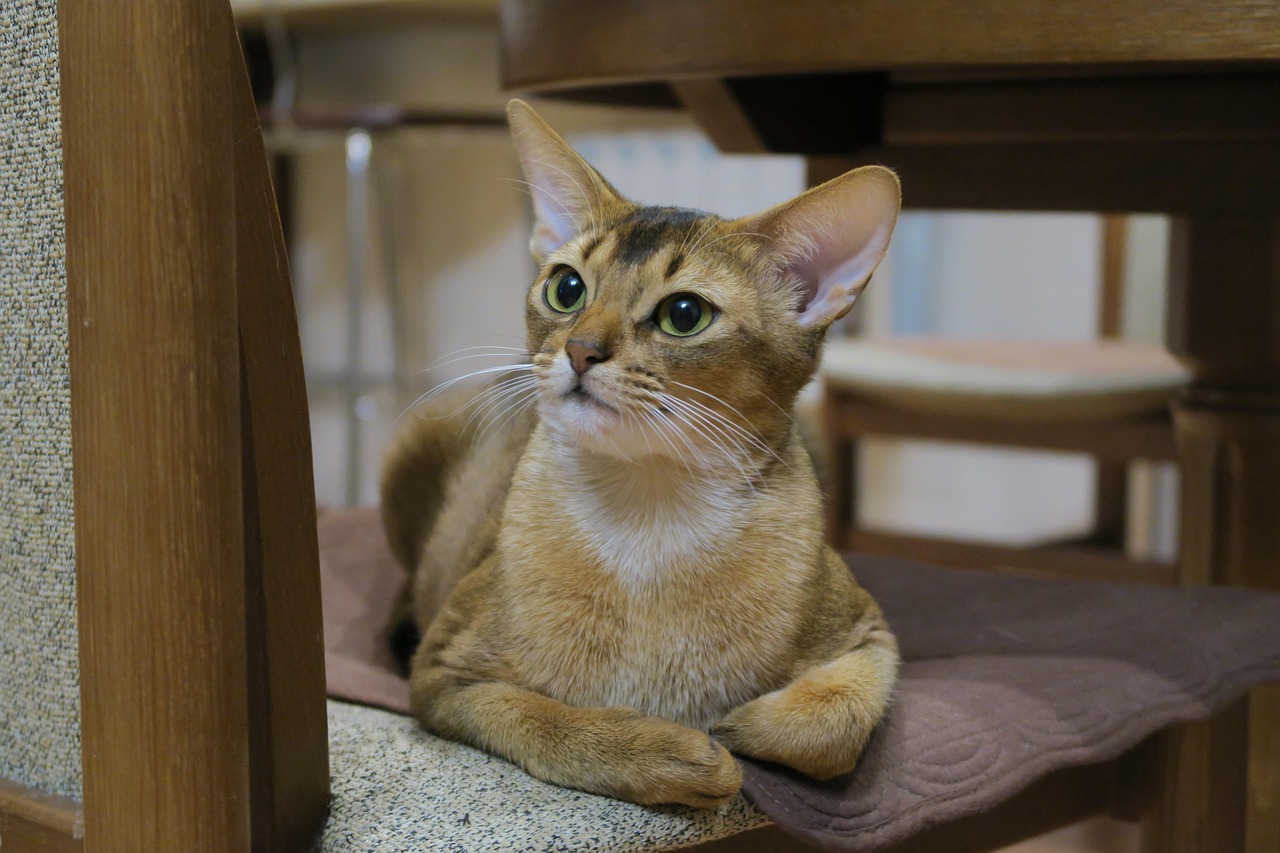
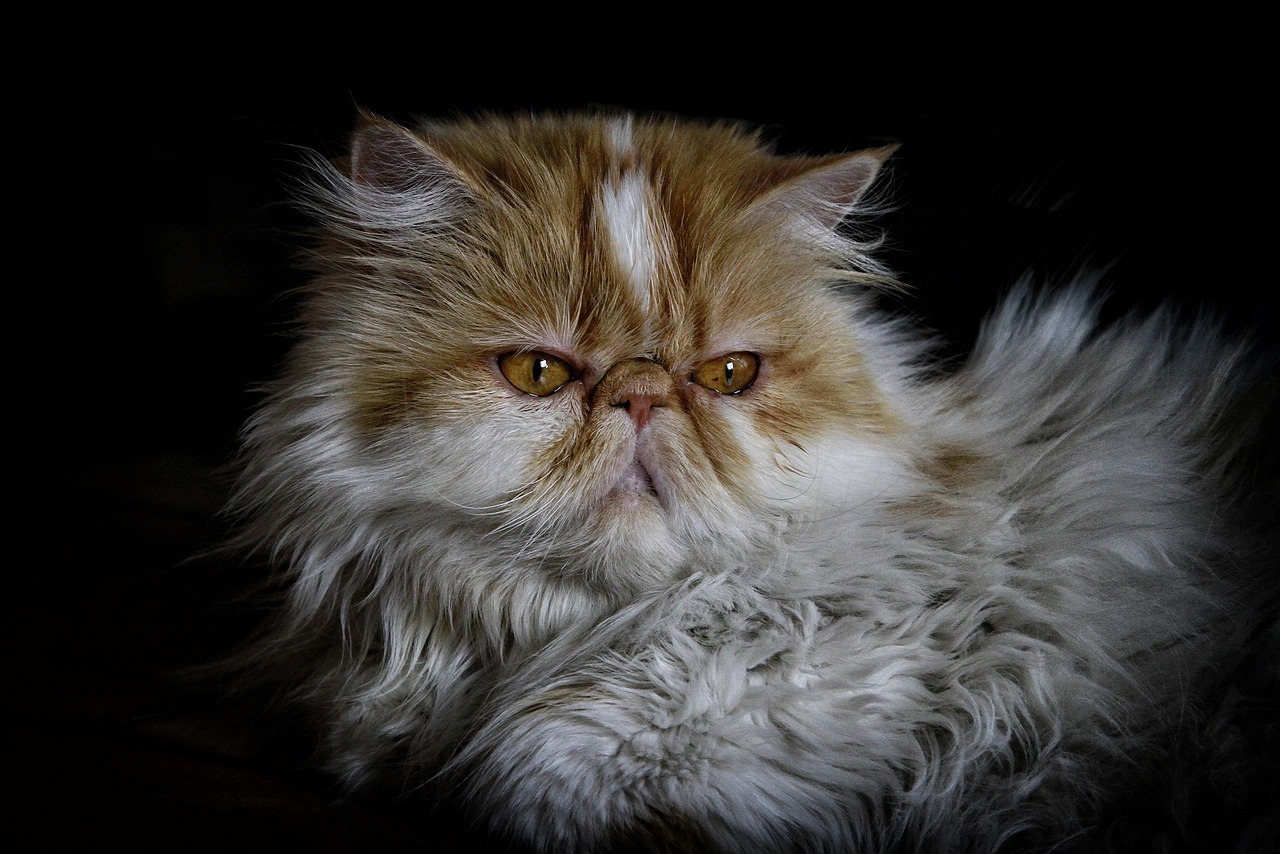
This section includes research & education on 6 feline cancers and some possible cat breeds that are at risk due to genetic predisposition to these tumors.
Some of these cancers include Lymphoma, Mammary Tumors, Mast Cell Carcinoma, Osteosarcoma, Squamous Cell Carcinoma & Transitional Cell Carcinoma.
Diabetes mellitus is a disease of the pancreas; a small but vital organ located near the stomach. Like people, there are different types of diabetes in cats.
These include:
Type I—Type I diabetes mellitus is also called insulin-deficient diabetes, which is rarely seen in cats. Type II—Type II diabetes mellitus is also called insulin-resistant or non-insulin-dependent diabetes. This is the most common form of diabetes mellitus in cats.
Feline hypertrophic cardiomyopathy (HCM) is a condition that causes the muscular walls of a cat’s heart to thicken, decreasing the heart’s efficiency and sometimes creating symptoms in other parts of the body.
Many cats with HCM do not appear to be ill. Others may show signs of congestive heart failure, including labored or rapid breathing, open-mouthed breathing, and lethargy.
Feline leukemia virus (FeLV) is one of the most important infectious diseases of cats worldwide. Affected cats can develop anemia (a low red blood cell level), cancers, and/or suppression of the immune system. The disease worsens over time and is usually fatal. The virus can infect domestic and wild cats. Widespread testing and vaccination efforts have helped to reduce the prevalenceof the disease.
Arthritis is a general medical term used to describe a disorder in which the smooth cartilagenous layer that lines a joint is lost, resulting in bone grinding on bone during joint movement.
Feline arthritis affects a surprising number of our beloved companions, with studies suggesting up to 90% of cats over 12 years of age show radiographic evidence of this painful condition. Feline arthritis treatment is often delayed because cats are masters at hiding pain.
Hyperthyroidism is caused by excess of the thyroid hormones, T3 and T4. It is most likely to be seen in middle-aged to old cats. A hormone-producing, benign thyroid tumor is the most common cause of feline hyperthyroidism. The most common signs include weight loss, excessive appetite, hyperexcitability, increased thirst and urination, vomiting, diarrhea, and increased fecal volume.
Feline upper respiratory infection (URI) is the common term for a respiratory infection caused by one or more viral or bacterial agents.
By far, viruses are the most common causes of upper respiratory infections in cats. About 80%- 90% of infections are viral, while most of the rest are caused by bacteria.