
Feline Hypertrophic Cardiomyopathy
Research, Resources & Education
This website is based on research and is NOT created to diagnose your pet.
Each animal is an individual and may exhibit symptoms in a different way.
It is advised that you ALWAYS CHECK WITH YOUR VETERINARIAN for a proper diagnosis and treatment plan.
Table of Contents
Feline Hypertrophic Cardiomyopathy (HCM)
Feline hypertrophic cardiomyopathy (HCM) is a condition that causes the muscular walls of a cat’s heart to thicken, decreasing the heart’s efficiency and sometimes creating symptoms in other parts of the body.
Many cats with HCM do not appear to be ill. Others may show signs of congestive heart failure, including labored or rapid breathing, open-mouthed breathing, and lethargy.
What Cats are at Risk?
Some Cats at Risk due to Genetic Predisposition
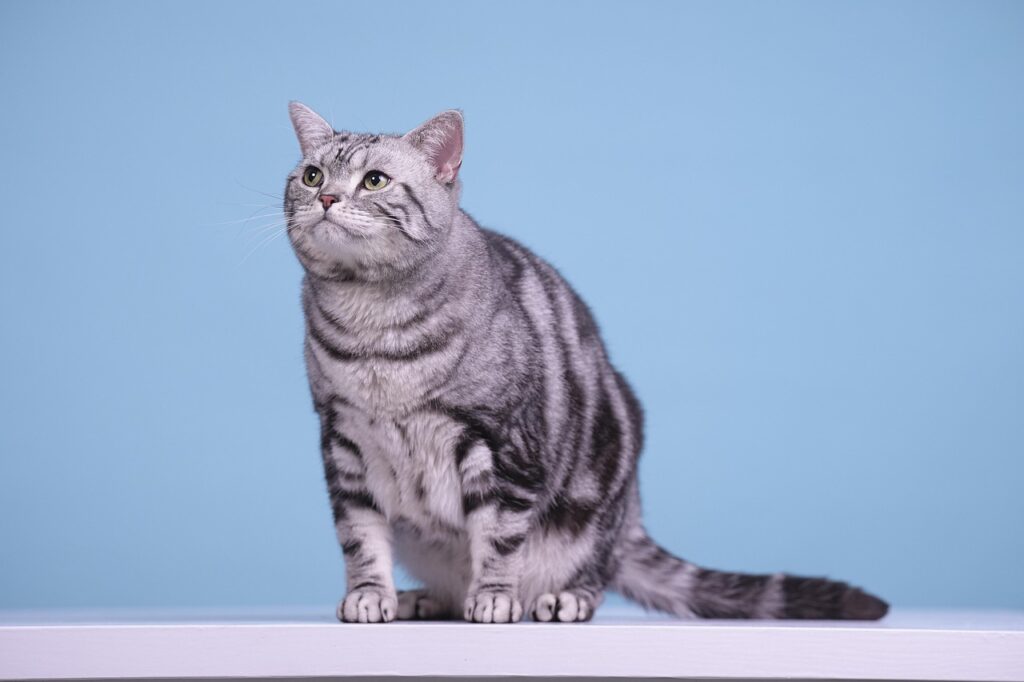
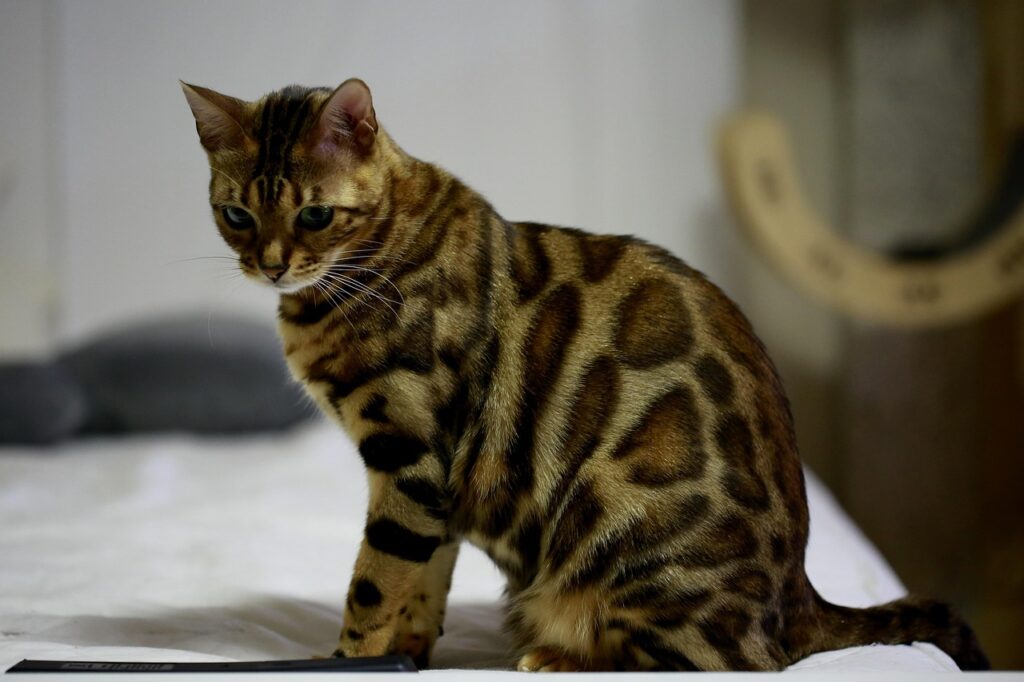
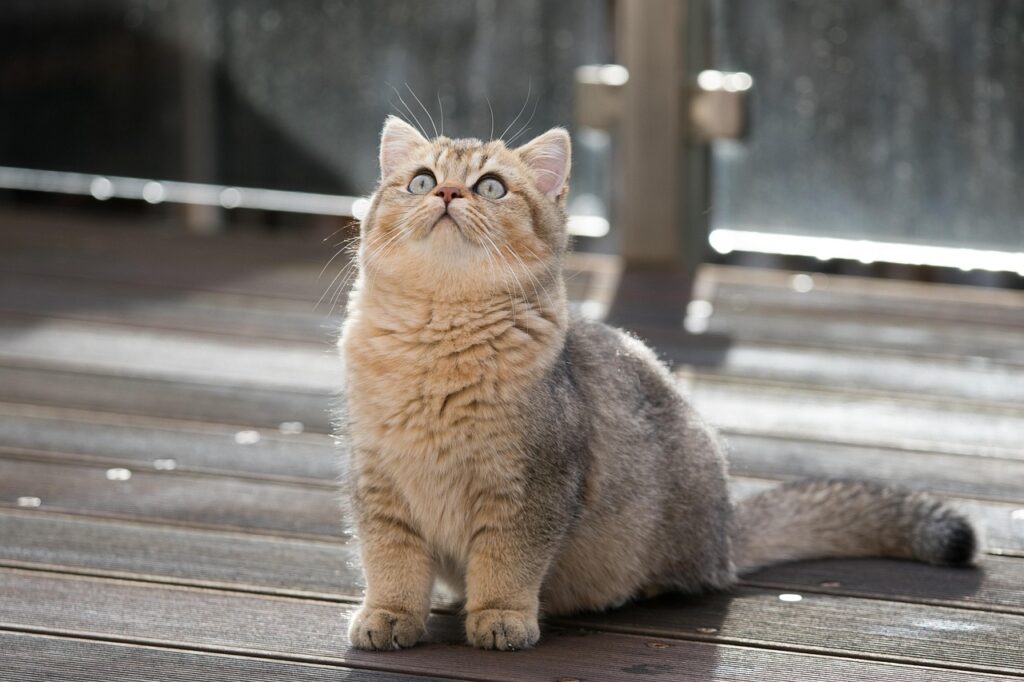
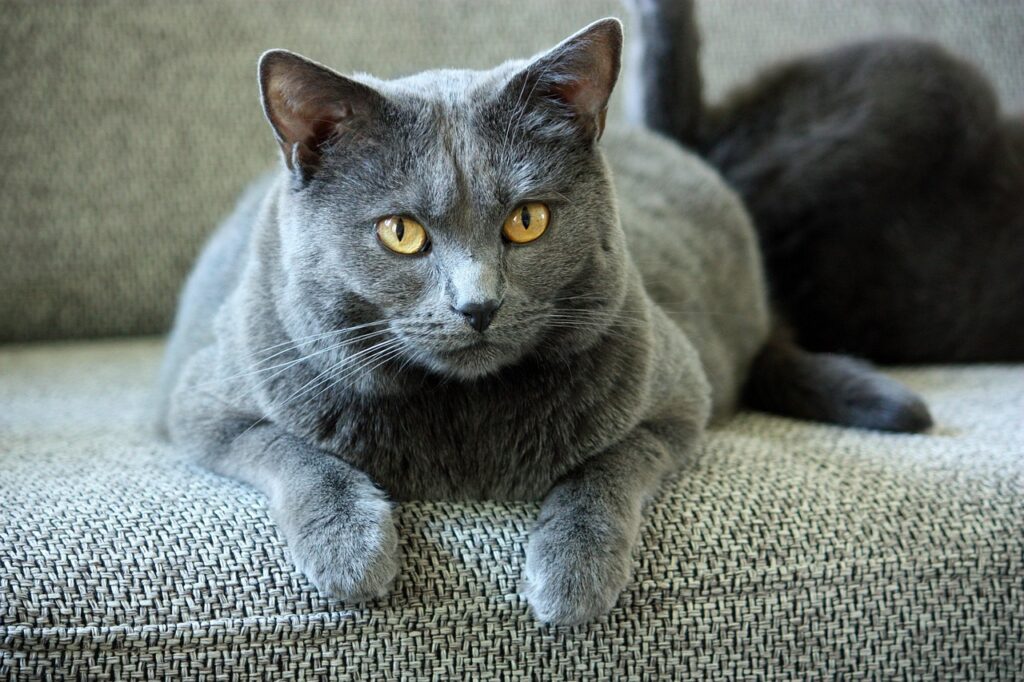
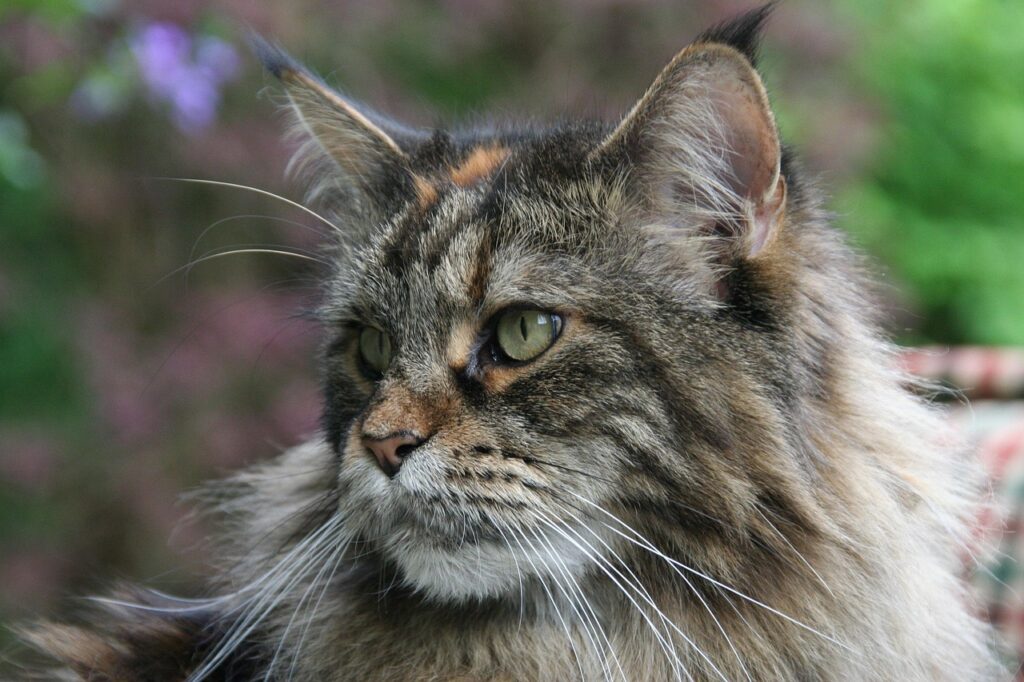
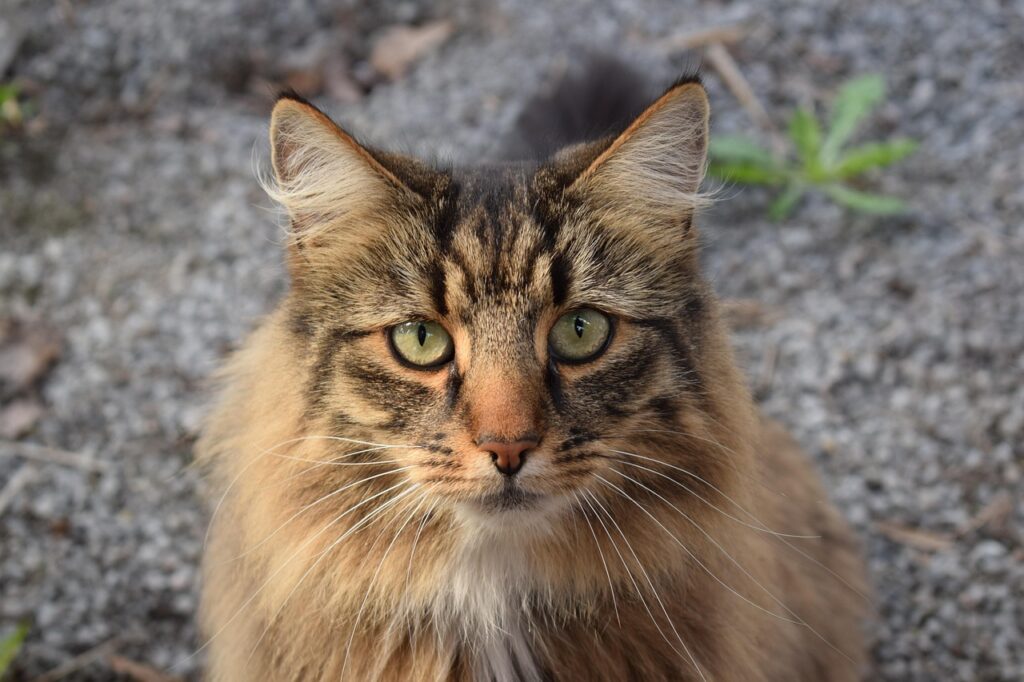
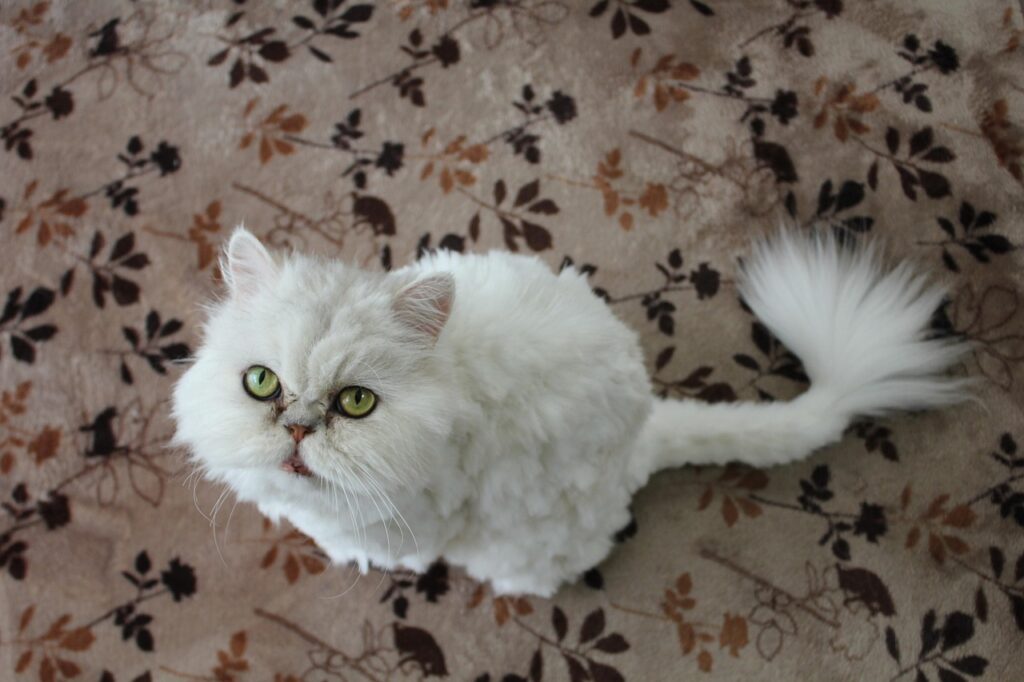
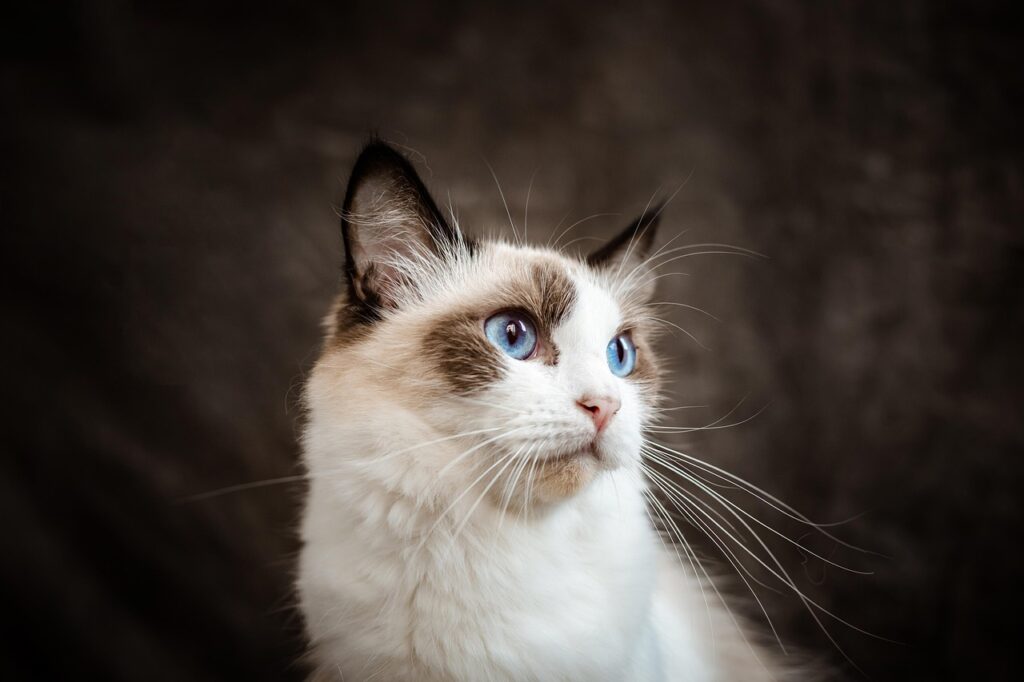
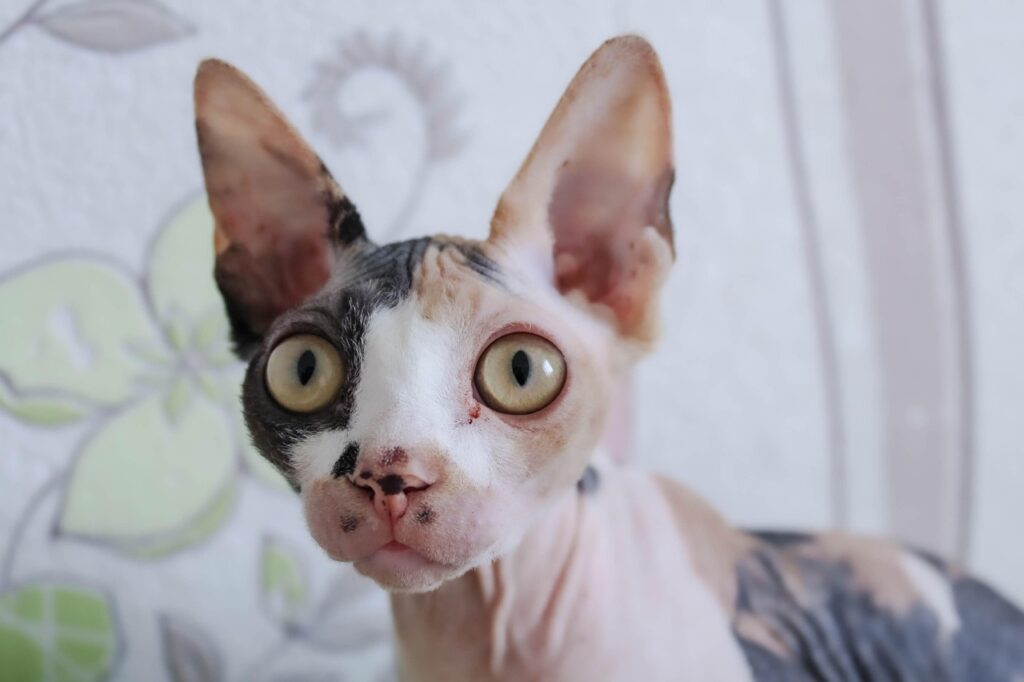
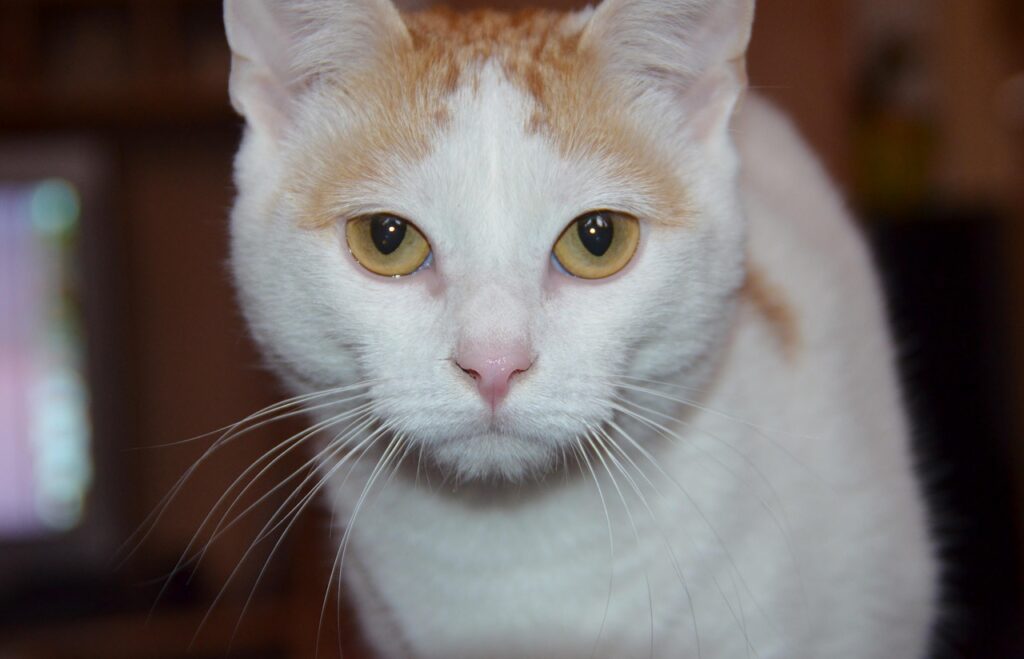
Breeds & Genetics (Catster) (PetMD)
Breeds (Catster)
- American Shorthairs (PetMD)
- Bengals
- British Shorthairs
- Chartreux
- Maine Coons
- Norwegian Forest
- Persians
- Ragdolls (PetMD)
- Sphynx
- Turkish Vans (PetMD)
Genes
There is a mutation in a gene often found in these breeds of cats.
- The gene has a role in maintaining healthy cardiac muscle.
- If the mutation is present, the heart muscle cells in the wall of the left ventricles die and scar tissue develops. This prevents the heart from functioning properly.
Genetic Screening for Cats with Hypertrophic Cardiomyopathy (Cats.com)
Genetic Screening for Cats with Hypertrophic Cardiomyopathy
We know that many cases of HCM may have a genetic basis. The specific genes involved have been identified in certain breeds (including the Maine Coon and the Ragdoll), meaning genetic screening is available.
- If your cat is found to have this gene mutation, they have an increased chance of developing HCM. However, not all cats with the gene mutation will go on to develop HCM. Therefore, it is recommended that cats with a positive genetic screen also have regular ultrasound scans of their heart to identify changes early.
- As HCM can occur at any stage of life, a single normal ultrasound does not rule out the risk of developing it at a later stage.
- It is recommended that cats with positive genetic screening should not be bred from, as there is a high chance of them passing the mutated gene on to their kittens.
- If you are considering breeding from a Ragdoll or Maine Coon cat, genetic screening for HCM is recommended.
What is Feline Hypertrophic Cardiomyopathy (HCM)?
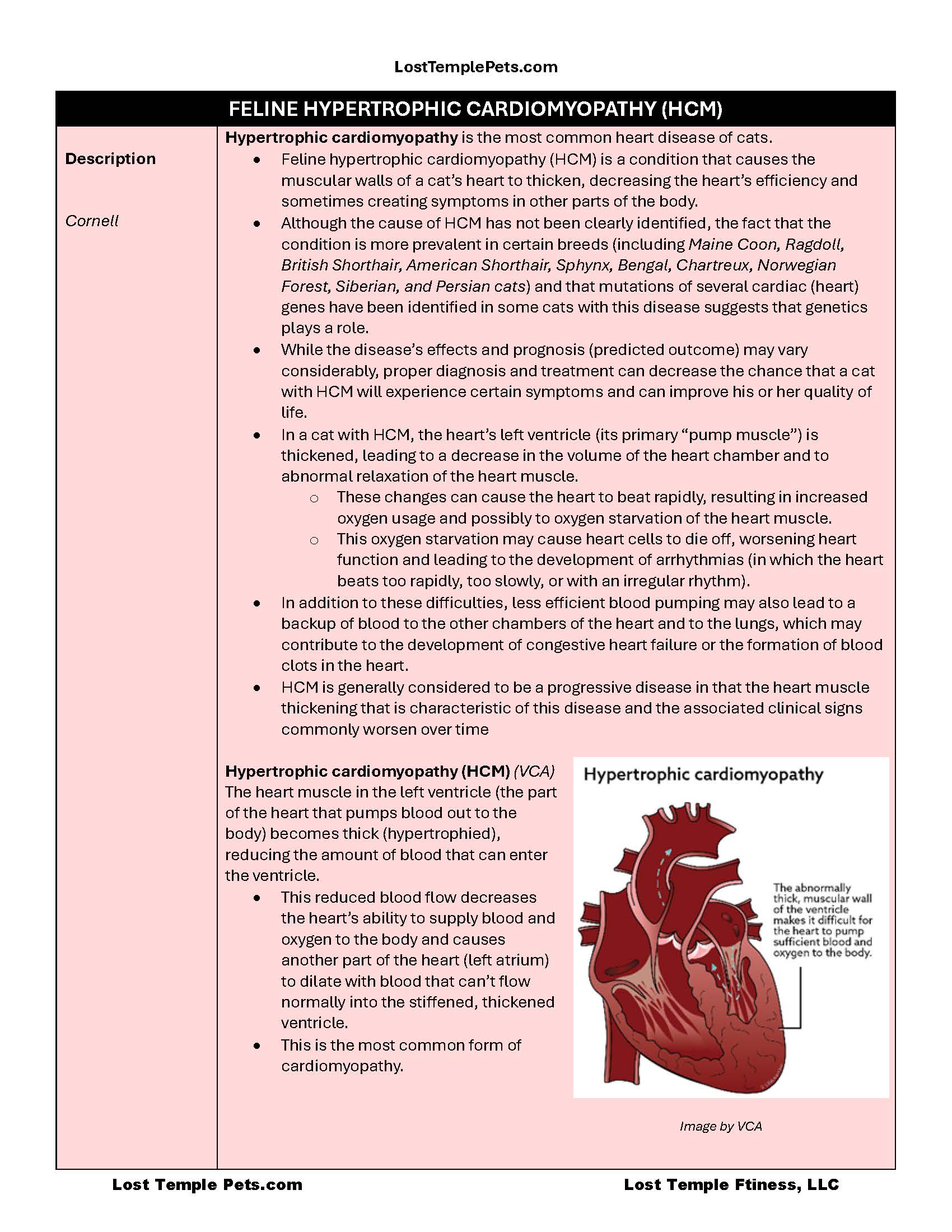
Hypertrophic Cardiomyopathy (HCM) (VCA & Pic)
The heart muscle in the left ventricle (the part of the heart that pumps blood out to the body) becomes thick (hypertrophied), reducing the amount of blood that can enter the ventricle.
This reduced blood flow decreases the heart’s ability to supply blood and oxygen to the body and causes another part of the heart (left atrium) to dilate with blood that can’t flow normally into the stiffened, thickened ventricle.
This is the most common form of cardiomyopathy.
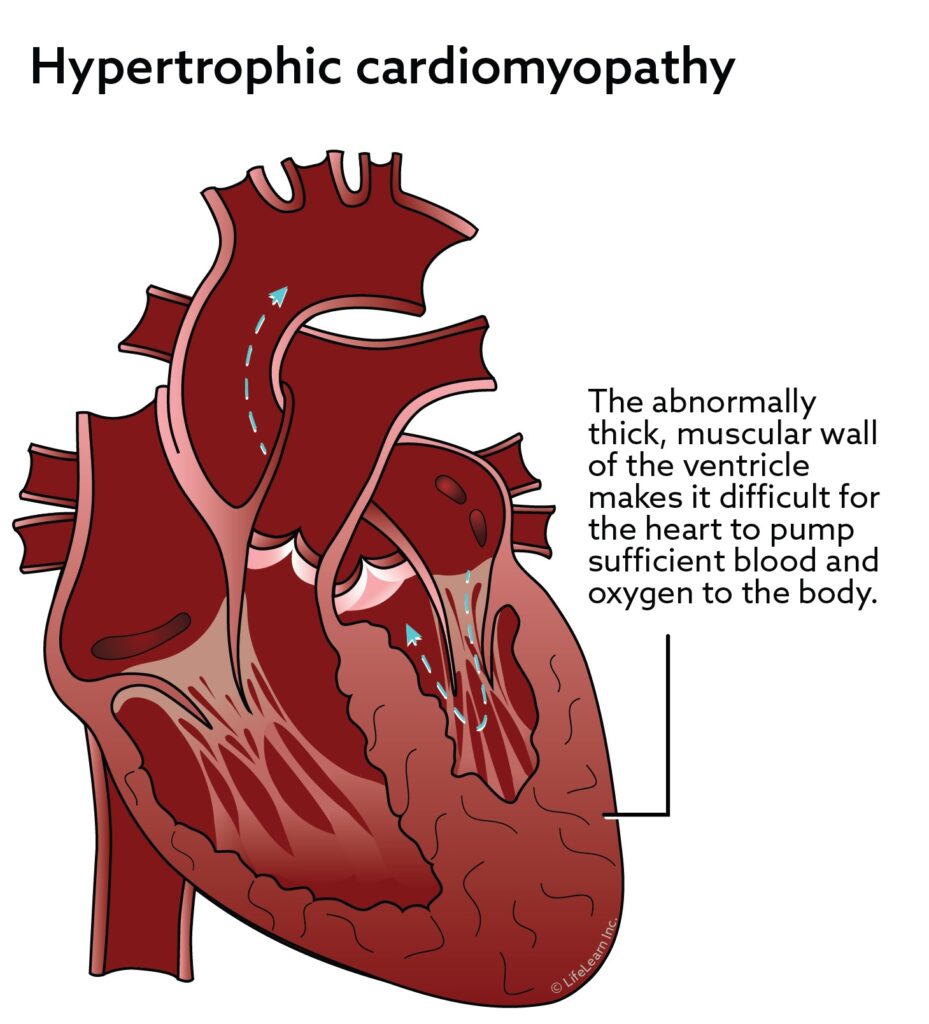
Hypertrophic Cardiomyopathy (Cornell)
Hypertrophic cardiomyopathy is the most common heart disease of cats.
- Feline hypertrophic cardiomyopathy (HCM) is a condition that causes the muscular walls of a cat’s heart to thicken, decreasing the heart’s efficiency and sometimes creating symptoms in other parts of the body.
- Although the cause of HCM has not been clearly identified, the fact that the condition is more prevalent in certain breeds (including Maine Coon, Ragdoll, British Shorthair, American Shorthair, Sphynx, Bengal, Chartreux, Norwegian Forest, Siberian, and Persian cats) and that mutations of several cardiac (heart) genes have been identified in some cats with this disease suggests that genetics plays a role.
- While the disease’s effects and prognosis (predicted outcome) may vary considerably, proper diagnosis and treatment can decrease the chance that a cat with HCM will experience certain symptoms and can improve his or her quality of life.
- In a cat with HCM, the heart’s left ventricle (its primary “pump muscle”) is thickened, leading to a decrease in the volume of the heart chamber and to abnormal relaxation of the heart muscle.
- These changes can cause the heart to beat rapidly, resulting in increased oxygen usage and possibly to oxygen starvation of the heart muscle.
- This oxygen starvation may cause heart cells to die off, worsening heart function and leading to the development of arrhythmias (in which the heart beats too rapidly, too slowly, or with an irregular rhythm).
- In addition to these difficulties, less efficient blood pumping may also lead to a backup of blood to the other chambers of the heart and to the lungs, which may contribute to the development of congestive heart failure or the formation of blood clots in the heart.
- HCM is generally considered to be a progressive disease in that the heart muscle thickening that is characteristic of this disease and the associated clinical signs commonly worsen over time
Feline HCM Videos
YouTube Videos that help explain Hypertrophic Cardiomyopathy (HCM) in Cats.
Disclaimer:
This is for research only and Lost Temple Pets does not endorse any video presented on this website.
It is advised that you ALWAYS CHECK WITH YOUR VETERINARIAN for a proper diagnosis and treatment plan.
Playlist
Causes & Risk Factors
Causes (PetMD)
Causes
These breeds (see list above) are most affected by HCM because they are more likely to carry a mutation in a gene called A31P that is involved in maintaining healthy heart muscles.
- In cats that have two abnormal copies of this gene, death of heart muscle cells and scar tissue in the wall of the left ventricle occurs, which prevents the heart from functioning properly.
In addition to genetics, there can be several medical causes of HCM in cats.
- Hormonal conditions such as hyperthyroidism or acromegaly (excessive secretion of a growth hormone because of a tumor in the anterior pituitary gland near the brain) can stimulate growth of the muscular walls of the left ventricle.
- Cancer in the heart can also increase the size and thickness of the walls of the left ventricle.
- Other diseases unrelated to the heart, such as kidney disease, can cause high blood pressure in the body, which puts additional strain on the left ventricle as it works harder than normal to pump blood to the body against elevated pressure in the vessels. Over time, this increased effort causes the ventricle walls to become thicker, and the interior chamber narrower.
Signs & Symptoms
Clinical Signs (Cornell)
Clinical Signs
Many cats with HCM do not appear to be ill. Others may show signs of congestive heart failure, including labored or rapid breathing, open-mouthed breathing, and lethargy. These symptoms occur when fluid accumulates in or around the lungs.
- A serious and potentially life-threatening consequence of HCM is the formation of blood clots in the heart. These clots may travel through the bloodstream to obstruct flow in other parts of the body (thromboembolism).
- The effect of the clot depends on its location, although in cats with HCM, clots most commonly result in blockage of blood flow to the hind limbs, causing acute hind limb pain or, in extreme cases, hind limb paralysis.
- Diagnosing HCM and treating the condition properly can help decrease the severity of clinical signs and may decrease the likelihood of thromboembolism.
- Although relatively rare, cats with HCM are at risk for sudden death.
Symptoms of Hypertrophic Cardiomyopathy in Cats (PetMD)
Symptoms of Hypertrophic Cardiomyopathy in Cats
Signs of HCM in cats may include:
- Loss of appetite
- Heart murmur
- Arrhythmias (abnormal heart rhythms)
- Blood clots, which can cause pain/vocalization, trouble walking, cold rear limbs, vomiting, and trouble breathing
- Heart failure
- Fluid in lungs, causing crackles and wheezes when breathing
- Difficulty breathing
- Fluid in abdomen (ascites), causing visible abdominal swelling
- Abnormal gum color—pale, gray, or blue gums
- Blue foot pads and nailbeds
- Weak or unstable pulse
- Tiring easily during play/exercise
- Lethargy/weakness
- Fainting/collapse
- Sudden death
Diagnostics
Diagnosis of Hypertrophic Cardiomyopathy in Cats (Catster)
Diagnosis of Hypertrophic Cardiomyopathy in Cats
A vet will begin by performing a full physical exam and taking a clinical history from you. They will pay particular attention to the lungs and heart, listening for any abnormal heart sounds such as arrhythmias and murmurs.
- A blood test will be taken to assess white and red blood cell counts and to monitor organ function. Thyroid levels will be checked too. This is to rule out any pre-existing health issues that may cause hypertrophic cardiomyopathy.
- A specific blood test can be done to screen for raised heart biomarkers such as a chemical called pro-BNP. This increases when the heart muscle undergoes any trauma or is stretched.
- In some cases, X-rays are useful. However, the inside of the heart cannot be properly assessed using radiographs so the changes associated with hypertrophic cardiomyopathy can sometimes be overlooked or not seen because they aren’t visible on the X-rays.
- Electrocardiograms can be used to assess the rate and rhythm of the heart.
For a definite diagnosis of hypertrophic cardiomyopathy, an echocardiogram can be performed. This is an ultrasound scan of the heart that allows the vet to assess the architecture of the heart and any changes in the structure. The blood flow in and out of the heart and between the chambers of the heart can also be assessed. Your cat’s blood pressure will also be assessed and monitored.
Prevention
Prevention of Hypertrophic Cardiomyopathy in Cats (PetMD)
Prevention of Hypertrophic Cardiomyopathy in Cats
Since HCM can be inherited or may be the result of other medical conditions, the disease is difficult to prevent.
- Reputable breeders should test susceptible cat breeds for mutations in the A31P gene so that kittens produced from breeding stock do not inherit two mutated copies of the gene.
- General care and proper nutrition for all cats can go a long way to supporting heart health and prolonging the asymptomatic stage of HCM.
- It is crucial for higher-risk cats (senior cats, cats with predisposed conditions, cats with the A31P gene) to be screened annually for any signs of heart disease.
- If you are concerned about HCM in your cat, it’s best to speak with your veterinarian about his overall risk, which diagnostic tests are most appropriate, and how often those tests are needed.
- Your veterinarian can also assist with developing a wellness and nutrition plan at home to ensure your cat has the best and longest possible life.
Treatment
Treatment (Cornell)
Treatment
Although HCM has no known cure, a specialized care plan can help manage clinical signs of the condition in your cat.
- Treatment goals include controlling the heart rate, alleviating lung congestion (congestive heart failure), and preventing the formation of blood clots that can lead to thromboembolism.
- Medication can help manage HCM and can be administered orally to stable patients or by injection in more serious situations.
- Other drugs, such as nitroglycerine, may be applied to the cat’s skin for absorption.
Treatments & Medications - Hypertrophic Cardiomyopathy in Cats (PetMD)
Treatment of Hypertrophic Cardiomyopathy in Cats (PetMD)
Medications
A variety of medications may help cats that have HCM including:
- Clopidogrel: medication that helps prevent blood clots.
- Diltiazem: a medication that can prevent some fluid buildup and reduce the thickness of the left ventricular wall in some cats.
- Beta blockers: medications such as atenolol can help cats with severe HCM by slowing heart rate in cats with tachycardia (an overly fast heart rate), correcting abnormal heart rhythms, and improving the function of the valves between the chambers of the heart. Beta blockers can also decrease blood pressure in cats with hypertension.
- ACE inhibitors: medications such as benazepril are often prescribed to cats with HCM who have heart failure. It can reduce blood pressure.
- Aspirin: used to thin the blood and prevent clotting in cats with HCM. It’s important that pet parents never give over-the-counter medications to their cats without a veterinarian’s approval.
- Warfarin: another blood-thinning medication that can help prevent blood clots
- Furosemide or Lasix: a common medication prescribed for cats who have congestive heart failure due to HCM.
- Spironolactone: another diuretic medication that is used in cats with HCM and heart failure to remove fluid buildup. Spironolactone is often used along with Lasix®.
- Nitroglycerin ointment: can be applied inside the ears of cats to treat severe fluid buildup when administered along with Lasix. It can also improve blood flow to the body by relaxing the ventricles and arteries, so they are able to accommodate more blood.
- Pimobendan: can help increase the function of the left atrium and left ventricle during the pumping phase of the heart cycle, when the heart is pushing blood from the left ventricle to the body.
Other Treatments
- In addition to medications, some cats may need routine pleurocentesis, a procedure that removes excess fluid from the lungs.
- Cats with severe, acute HCM and heart failure may need oxygen therapy in the hospital. Cats that suddenly develop heart failure may benefit from being put under anesthesia, intubated, and helped to breathe if respiratory failure occurs.
- Anxious cats may be given sedatives such as acepromazine to keep them calm, as stress can cause breathing difficulties and increase the risk of heart failure in cats with HCM.
Diet & Prognosis
Does a Cat with Cardiomyopathy need a Special Diet? (VCA)
Does a cat with cardiomyopathy need a special diet?
Your cat’s diet can help support their heart health.
- Their diet must have sufficient taurine, and some non-traditional feline diets, such as vegetarian diets, may not have enough. Your veterinarian can help you choose an appropriate diet or refer you to a veterinary nutritionist for more detailed recommendations.
- Cats with underlying kidney disease should be fed a special kidney diet to manage this disease.
- Depending on clinical signs, your veterinarian may recommend a special heart diet instead of the kidney diet.
- Low-sodium diets are often recommended for cats with idiopathic cardiomyopathy and may decrease the risk of developing congestive heart failure and hypertension.
- Cat treats are often quite salty and should be avoided.
- Your veterinarian will make specific dietary recommendations based on your pet’s condition.
Prognosis (Merck Veterinary Manual)
Prognosis
The prognosis for cats with HCM is highly variable.
- Many mildly affected cats have a good longterm prognosis.
- Cats in CHF have a poor prognosis, with a median survival time of 3 months.
- HCM is familial in many breeds of cats, including Persians, Sphynx, Norwegian Forest Cats, Bengals, Turkish Vans, and American and British Shorthairs.
- The disease occurs in cats from 6 months to 17 years old, although most cats are middle-aged at presentation.
- HCM is not present at birth; it develops over time.
- Penetrance is often < 100%.
- Male and female cats are equally predisposed; however, males tend to develop more severe disease at an earlier age.
References
References
Cats.com – Hypertrophic Cardiomyopathy in Cats: Causes, Symptoms and Treatment
Written by Dr. Nat Scroggie MRCVS; Published Dec 25, 2024
Medically reviewed by Dr. Lizzie Youens BSc (Hons) BVSc MRCVS
https://cats.com/hypertrophic-cardiomyopathy-in-cats
Catster- Hypertrophic Cardiomyopathy in Cats (HCM): Signs, Diagnosis & Treatment (Vet Answer)
By Dr. Emma Chandley · Written by Dr. Emma Chandley
Updated on June 19, 2025
https://www.catster.com/ask-the-vet/hypertrophic-cardiomyopathy-in-cats/
Cornell College of Veterinary Medicine; Feline Health Center – Hypertrophic Cardiomyopathy
Updated May 2025
Merck Veterinary Manual (Professional Version) – Hypertrophic Cardiomyopathy in Dogs and Cats
By Mark D. Kittleson, DVM, PhD, DACVIM-Cardiology, Department of Medicine and Epidemiology, University of California, Davis
Reviewed/Revised Jan 2023 | Modified Sept 2024
PetMD by Chewy – Feline Hypertrophic Cardiomyopathy (HCM) in Cats
By Hannah Hart, DVM. Reviewed by Brittany Kleszynski, DVM
Updated Jan. 31, 2025
https://www.petmd.com/cat/conditions/cardiovascular/feline-hypertrophic-cardiomyopathy-hcm-cats
VCA Animal Hospital – Cardiomyopathy in Cats
By Malcolm Weir, DVM, MSc, MPH; Ernest Ward, DVM
https://vcahospitals.com/know-your-pet/cardiomyopathy-in-cats