
Feline
Osteoarthritis
Research, Resources & Education
This website is based on research and is NOT created to diagnose your pet.
Each animal is an individual and may exhibit symptoms in a different way.
It is advised that you ALWAYS CHECK WITH YOUR VETERINARIAN for a proper diagnosis and treatment plan.
Table of Contents
Feline Osteoarthritis
Feline arthritis affects a surprising number of our beloved companions, with studies suggesting up to 90% of cats over 12 years of age show radiographic evidence of this painful condition.
Despite this high prevalence, feline arthritis treatment is often delayed because cats are masters at hiding pain—it’s a survival instinct deeply ingrained in their nature.
Arthritis (also known as osteoarthritis or degenerative joint disease) is a progressive condition characterized by the breakdown of cartilage.
(The Pet Vet)
What Cats are at Risk?
Some Cats that are at Risk due to Genetic Predisposition
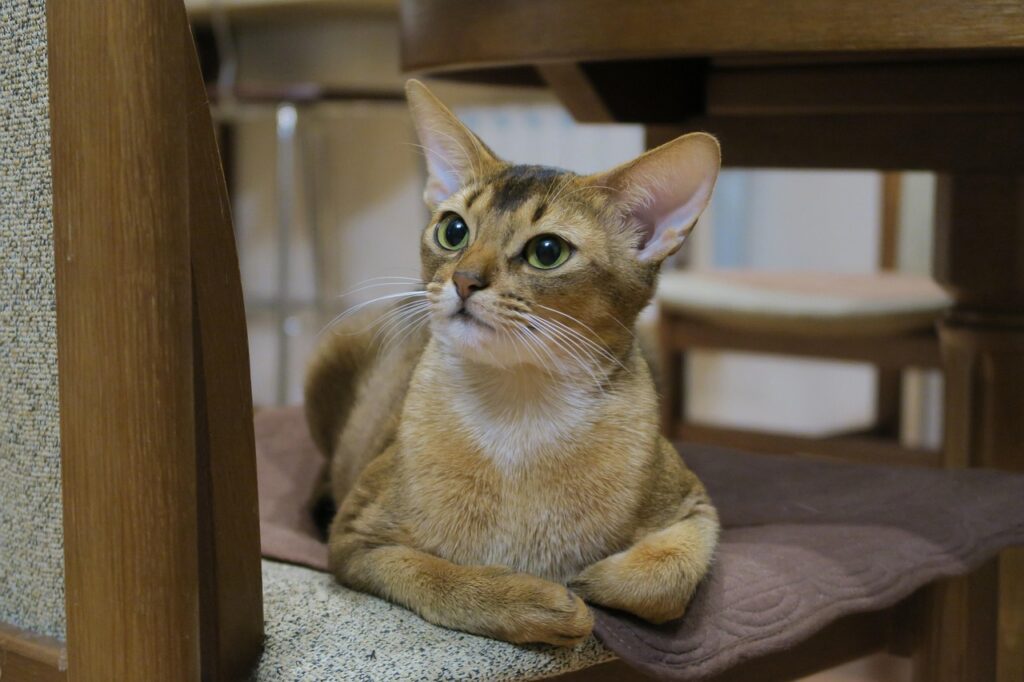
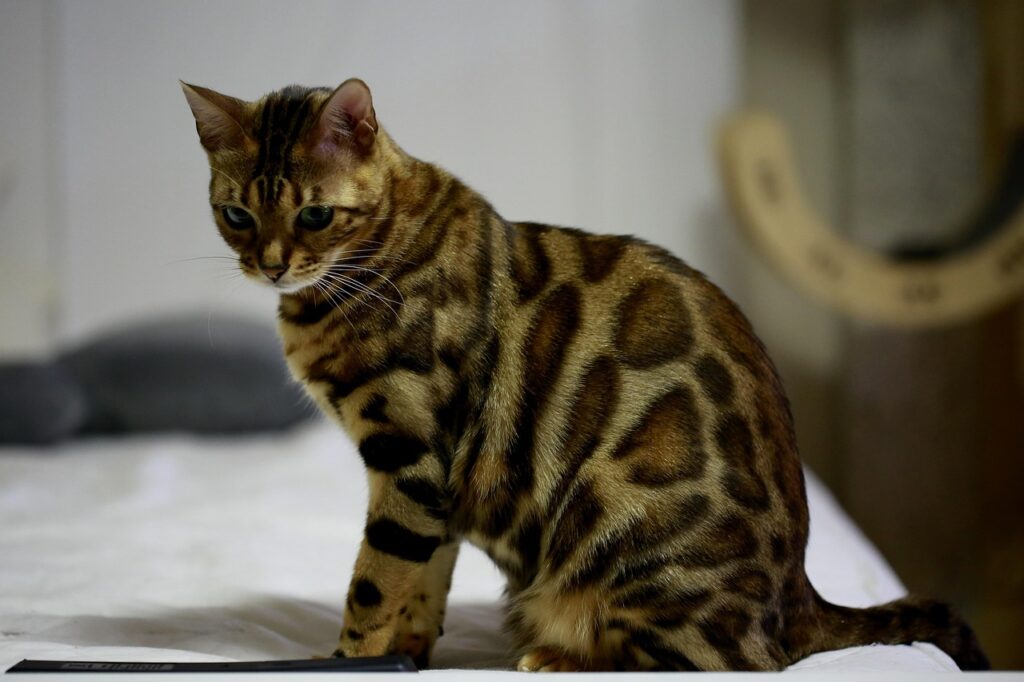
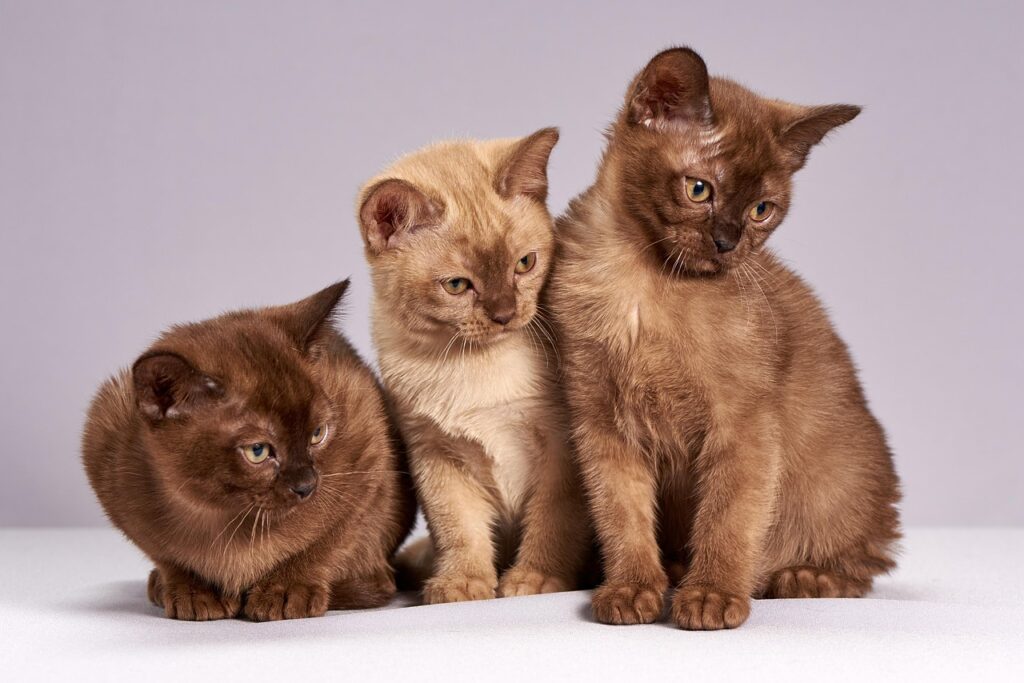
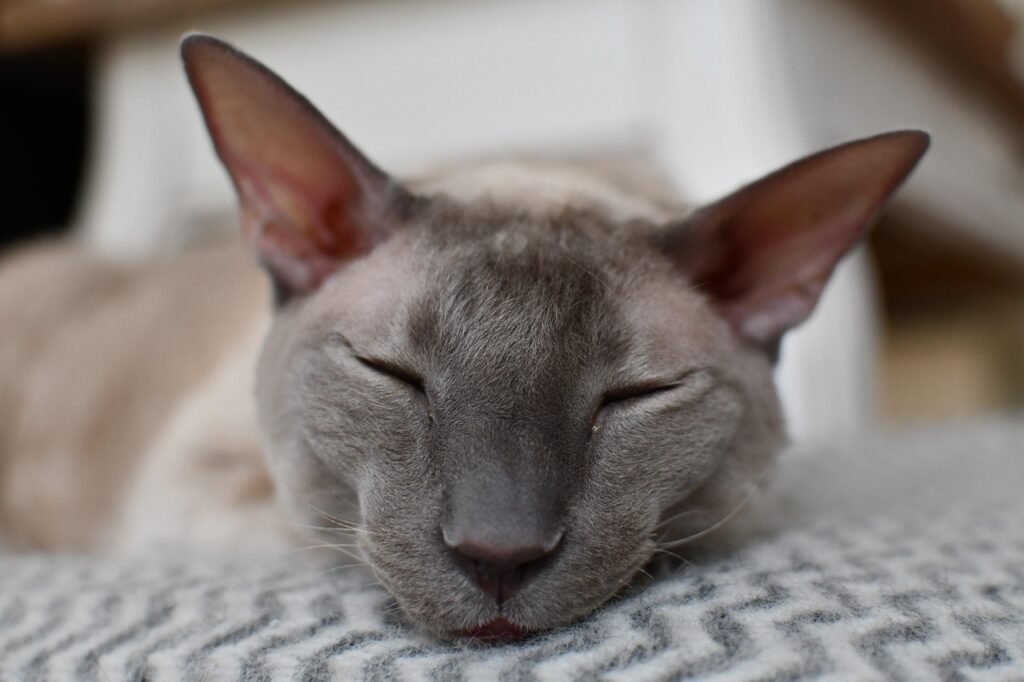
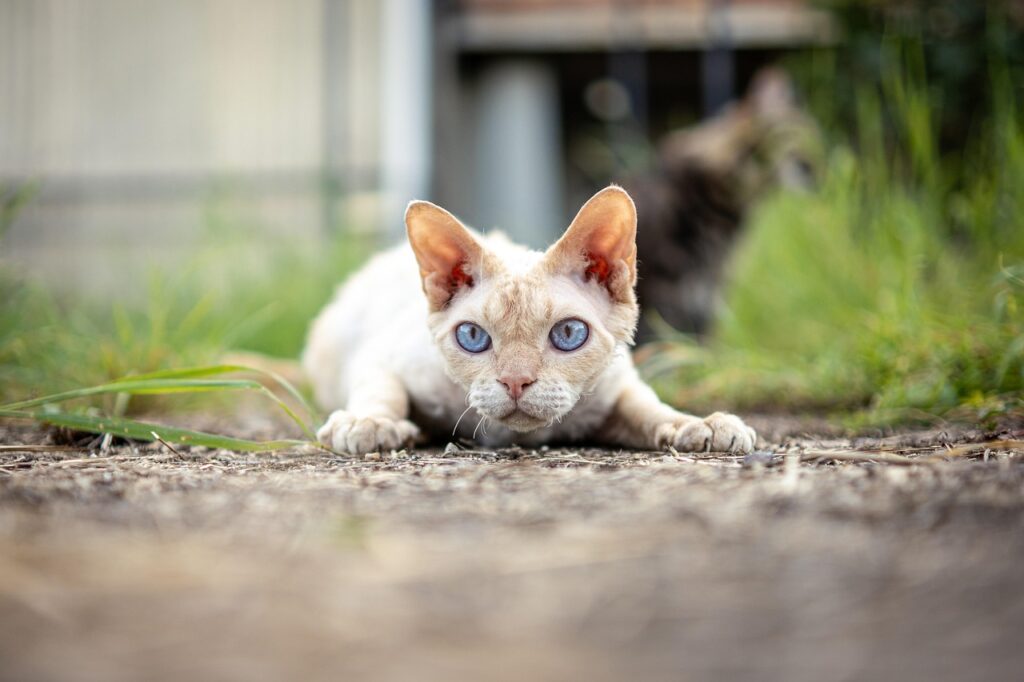
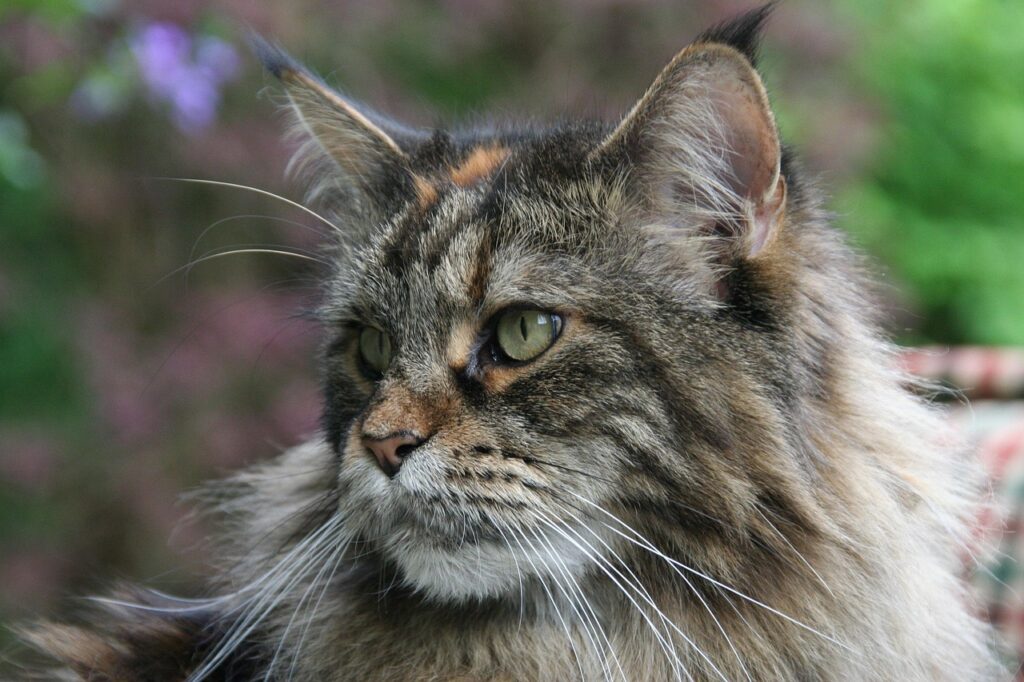
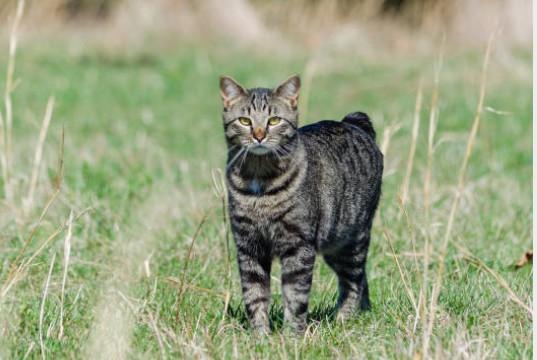
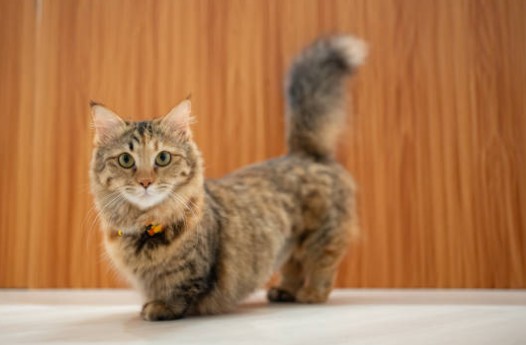
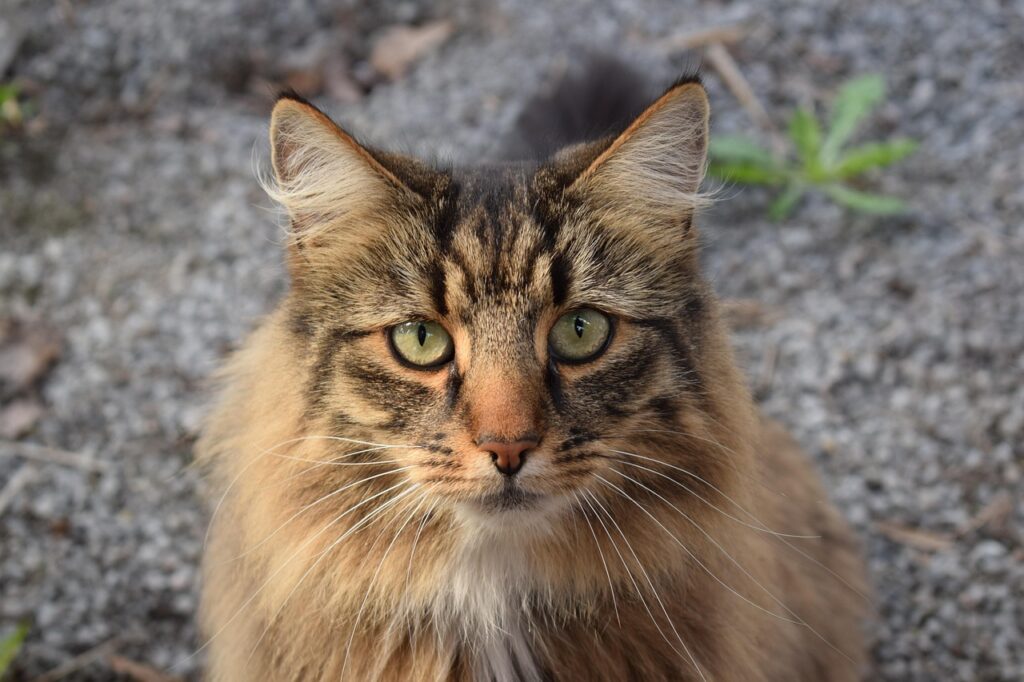
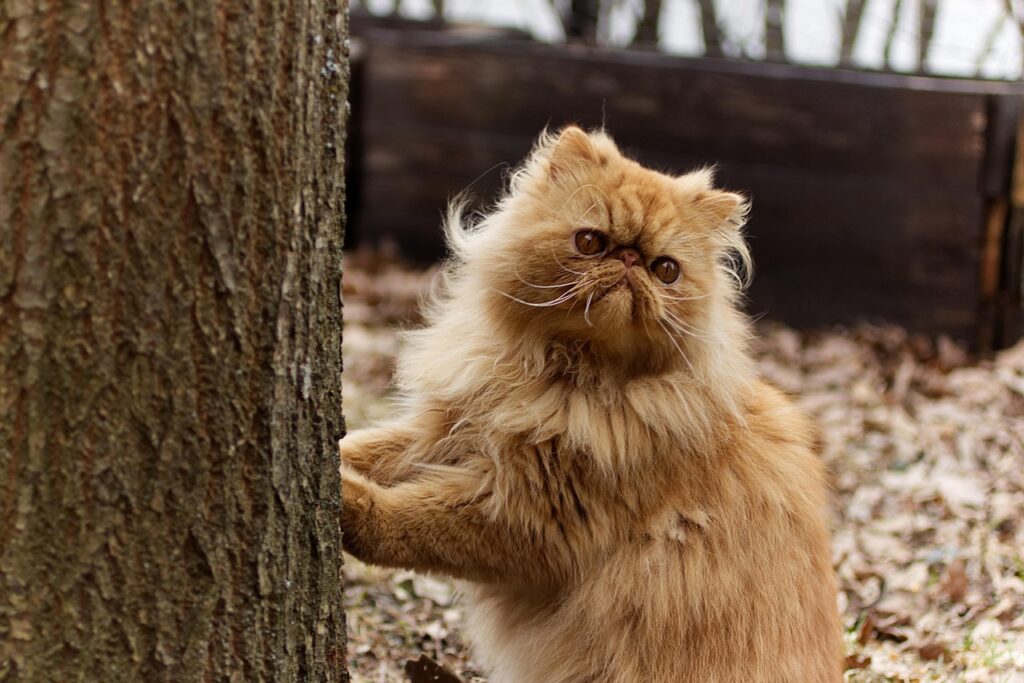
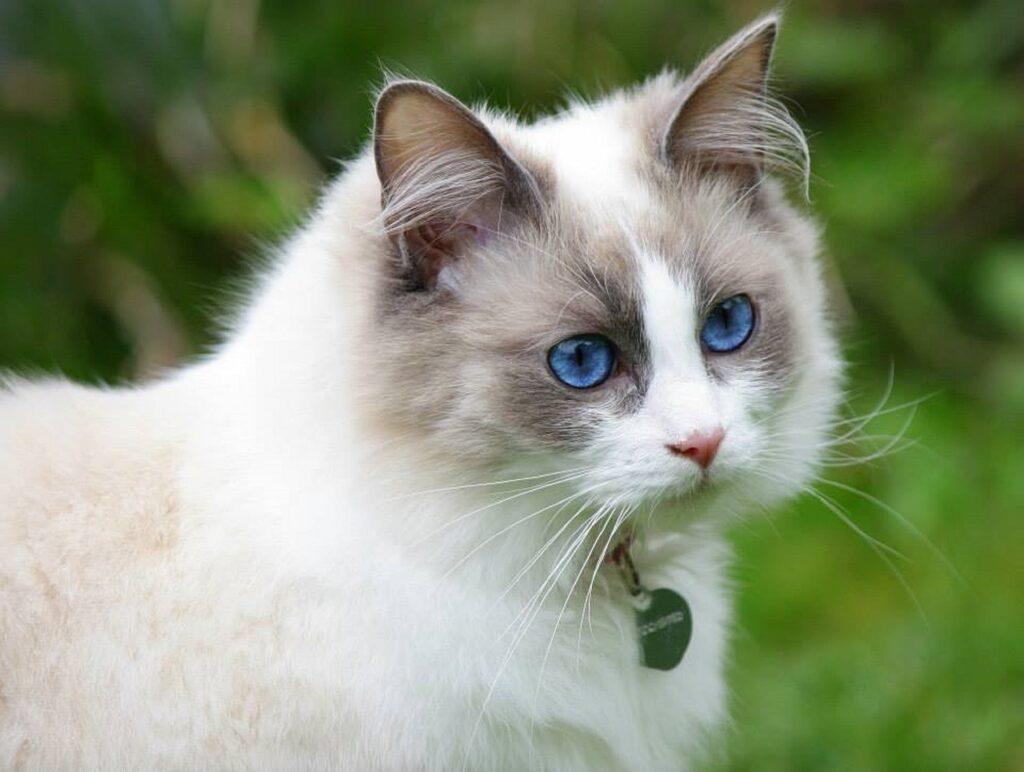
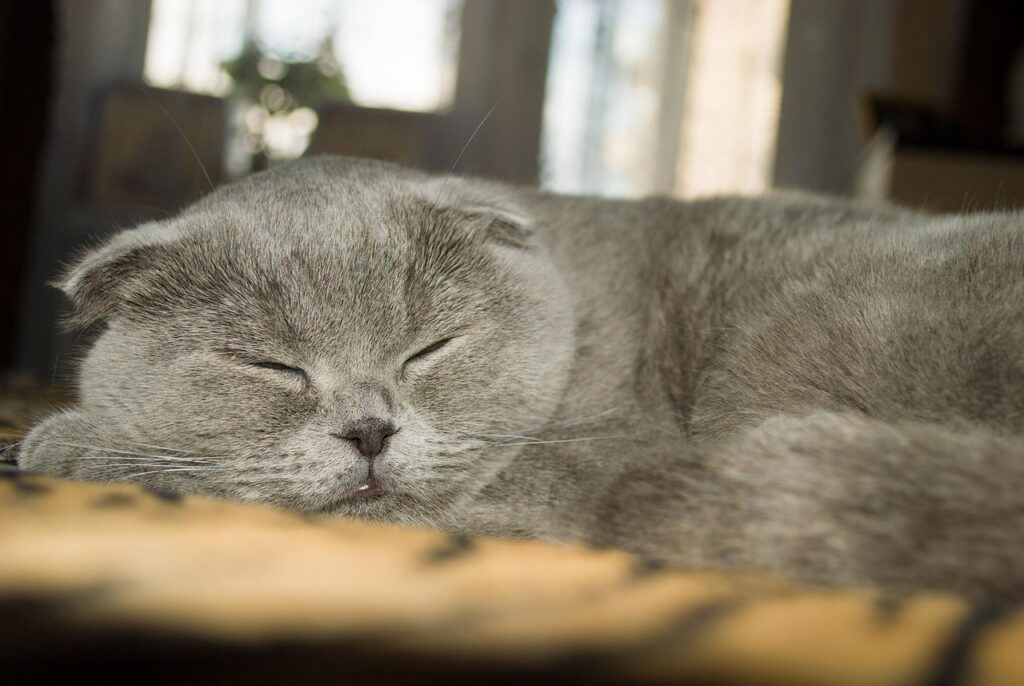
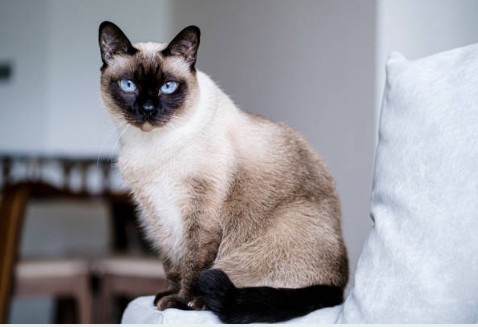
Common Cat Breeds Prone to Arthritis (Fluffy Tamer)
Common Cat Breeds Prone to Arthritis
Certain cat breeds are more prone to developing arthritis than others. Understanding which breeds are at higher risk can help cat owners take preventive measures and provide appropriate care for their furry friends.
- Hip and elbow dysplasia, as well as spinal muscular atrophy, are common issues in Persian, Siamese, Norwegian Forest Cats, Bengal Cats, and Maine Coons. These breeds should be closely monitored for any signs of joint discomfort or mobility issues.
- Dislocation of the kneecap, also known as patella luxation, is more common in Devon Rex, Cornish Rex, Bengal Cats, and Abyssinians. Owners of these breeds should keep a watchful eye for any signs of limping or difficulty walking.
- Spinal defects are a concern for Manx These cats lack a tail due to a genetic mutation, but this mutation can also lead to spinal abnormalities, increasing the risk of arthritis.
- Munchkins, known for their short legs, are prone to a skeletal abnormality called thoracic lordosis. This condition affects the spine and can contribute to the development of arthritis. Owners of Munchkins should consult with their veterinarians to address any potential issues.
- Joint problems and bone deformities are more prevalent in Bengal Cats, Burmese, and Ragdoll These cats require close attention and proper care to minimize the risk of arthritis and maintain good joint health.
- Scottish Folds have a genetic mutation that affects their cartilage, leading to abnormal joint development. This can result in severe arthritis in multiple joints. Owners of Scottish Folds should be proactive in managing their cat’s joint health and seek veterinary advice if any issues arise.
- Siamese breeds have a higher likelihood of obesity, which is a significant factor in developing arthritis. Maintaining a healthy weight through proper diet and regular exercise can help reduce the risk of arthritis in Siamese cats.
It’s important to note that arthritis can affect cats in any breed, although it most commonly affects the back legs.
What is Feline Osteoarthritis?
Understanding Feline Arthritis (The Pet Vet)
Understanding Feline Arthritis
Feline arthritis affects a surprising number of our beloved companions, with studies suggesting up to 90% of cats over 12 years of age show radiographic evidence of this painful condition. Despite this high prevalence, feline arthritis treatment is often delayed because cats are masters at hiding pain—it’s a survival instinct deeply ingrained in their nature.
- Arthritis (also known as osteoarthritis or degenerative joint disease) is a progressive condition characterized by the breakdown of cartilage—the protective cushioning between joints.
- As this cushion wears away, bone rubs against bone, causing inflammation, pain, and decreased mobility.
- The hips, elbows, shoulders, knees, and spine are commonly affected areas in cats.
- While this condition can’t be cured, the good news is that with proper feline arthritis treatment, we can significantly improve quality of life and slow disease progression.
- Age is the primary risk factor, but genetics, previous injuries, and obesity also contribute to the development of arthritis in cats.
Feline Osteoarthritis Videos
YouTube Videos that help explain Osteoarthritis in Cats.
Disclaimer:
This is for research only and Lost Temple Pets does not endorse any video presented on this website.
It is advised that you ALWAYS CHECK WITH YOUR VETERINARIAN for a proper diagnosis and treatment plan.
Playlist
Causes
Causes of Cat Arthritis (WebMD)
Causes of Cat Arthritis
Some of the common factors that increase a cat’s risk of arthritis are:
- Wear and tear. The joints may weaken as the cat gets older.
- Abnormal hip development may affect cartilage around joints.
- When a cat experiences a joint fracture or joint injury, it may cause arthritis.
- While there is no scientific evidence that obesity causes arthritis, it may make the condition worse.
- Some cat breeds have an increased risk of arthritis. This is due to abnormal development of their cartilage or hips. This is most commonly seen in Maine Coon, Persian, Scottish Fold, and Siamese cats.
- Arthritis in Back Legs
- Arthritis can affect any part of a cat’s body, but it’s common in the legs. When cat arthritis occurs in the back legs it can greatly limit your cat’s mobility.
- In some cases, cat arthritis can cause lameness where the cat will begin limping or favoring one leg when they walk.
- Many times, this causes the cat to become much less active and spend more time resting.
Signs & Symptoms
Symptoms of Osteoarthritis (Cats.com)
Symptoms of Osteoarthritis
The symptoms of osteoarthritis in cats can be subtle. They include reluctance to jump, running and playing less, and changes in your cat’s gait.
- The signs of arthritis in cats may be less dramatic than in dogs. Cats are smaller and more agile than dogs, so they can compensate for pain and injuries more subtly.
- Cats are very good at hiding their pain and discomfort so a cat owner might not be aware that their cat even has arthritis for some time before it is realized. The most common signs are lameness and decreased mobility.
- You may see this as your cat not wanting to or able to jump up on furniture or in the window, less running and playing, laying around more, and changes in the cat’s gait like limping or walking slowly and stiffly.
- Other signs include loss of muscle and strength, swollen joints, difficulty getting in & out of a litterbox, increased crankiness (due to pain), difficulty grooming (due to decreased mobility), or clicking and grinding of the joints.
- Cats who have had previous injuries or who have been diagnosed with other orthopedic conditions such as hip dysplasia, will more commonly develop arthritis.
What are the Clinical Signs of Arthritis? (VCA)
What are the clinical signs of arthritis?
Cats can exhibit many different signs when they have OA, and they do not necessarily demonstrate all the same signs all the time.
The most common signs cat owners may notice include:
- Difficulty getting up and down
- Walking stiffly
- Lameness in one or more legs
- Reluctance to go up or down steps
- Reluctance to jump up or down
- Reluctance to play
- Stiff, swollen, or sore joints
- Reluctance to be touched on some parts of the body
- Unexpected aggression toward other cats or humans
- Hiding more than usual
- House soiling (if a cat has difficulty getting in and out of the litter box)
- Poor coat condition (because self-grooming becomes difficult)
Testing / Diagnostics
How Is Cat Arthritis Diagnosed? (WebMD)
How Is Cat Arthritis Diagnosed?
If a veterinarian suspects arthritis, they’ll review your cat’s medical history and complete a physical exam. The veterinarian will specifically look for:
- Visible joint deformity
- Joint pain
- Decreased range of motion
- Grating (scraping noise) when the cat moves its joints
- Fluid in the joints
- Joint instability
Diagnostic imaging (Improve Veterinary Practice)
Diagnostic imaging
Radiographs remain the cornerstone of diagnosis. They can reveal joint space narrowing, osteophyte formation and subchondral sclerosis.
- Advanced imaging modalities such as computed tomography (CT) and magnetic resonance imaging (MRI) provide greater detail and are valuable in complex or refractory cases.
Pain Medications
Pain Medications (PetMD)
Pain Medications
- Non-steroidal anti-inflammatories (like meloxicam and Onsior) are great at relieving pain and inflammation. However, they can have a significant strain on internal organ function and can have restrictions on the length of treatment.
- Gabapentin is used for many purposes, and its pain-reliving properties make it a good option for painful, arthritic cats.
- Opioids can be used, but they require additional precautions and may cause sedation.
- Polysulfated glycosaminoglycan (Adequan): This is an injectable prescription medication that supports joint health by stopping destructive enzymes within the joint. This medication is not labeled for use in cats, so talk to your veterinarian about using it off-label.
- Amantadine may also provide pain relief in some cats.
- Frunevetmab (Solensia) is a newer drug using monoclonal antibodies developed specifically for cats with arthritis. There are few studies in cats, but may be a beneficial drug for this treatment.
- Supplements:
- Glucosamine/chondroitin: over-the-counter supplement to support cartilage and bones. Use caution with brands – most veterinarians recommend Dasuquin or Cosequin because they have a strong history of safety and effectiveness.
- Omega-3 fatty acids may decrease the inflammation in joints.
- In recent years, CBD (cannabidiol, an active ingredient in cannabis) has received attention for its pain-relief qualities. However, there is limited data in pets to know the effectiveness of CBD and similar products. In addition, legal issues surrounding CBD make it difficult to acquire, prescribe, and obtain quality and safe products.
Talk to your veterinarian about all pain management options before starting treatments.
Treatment
Treatment (ACVS)
Treatment
A multimodal approach is recommended to treat OA in cats. The basis of this approach is to use a combination of therapies that improve comfort and quality of life. It is important to note that all treatment decisions are made based on individual patients and in discussion with the pet owner and surgeon.
- Weight management. Overweight cats are more likely to show signs of lameness or pain associated with OA. Weight loss through controlled feedings or foods formulated for weight loss may improve your cat’s comfort.
- Nonsteroidal anti-inflammatory drugs While these medications (such as meloxicam and robenacoxib) are effective for treatment of acute pain, potential toxicity deters many veterinarians from long-term use, especially if your cat has kidney disease. Research regarding safety and dosing of these medications for OA in cats is ongoing.
- Adjunctive drug therapy. Medications such as gabapentin, amantadine, and tramadol are being increasingly investigated for use in treating chronic pain in cats. There is some evidence to support the use of these medications but is not conclusive.
- Dietary supplements. Supplements such as omega-3 fatty acids, glucosamine, and chondroitin are usually well tolerated by cats but may or may not be helpful in reducing signs of OA.
- Environmental modifications. Using steps and ramps and providing soft bedding may improve your cat’s quality of life.
- Physical rehabilitation. This area is just beginning to be investigated in cats and includes different exercises and modalities, such as low-level laser therapy, therapeutic ultrasound, and massage.
- Frunevetmab (Solensia) is a monoclonal antibody (cat-specific protein) designed to recognize and attach to a protein called Nerve Growth Factor (NGF), decreasing pain associated with osteoarthritis. It is administered once a month as an injection.
- Joint injections. Injections into the joint can relieve pain by decreasing inflammation, aiding with joint healing, or providing cushion. Some types of joint injections available are steroid injections, platelet-rich plasma, hyaluronic acid, and osteo-cushion technology. The efficacy of this treatment requires further investigation.
- Surgical techniques. Surgery for OA is less common in cats than dogs but may be very helpful in certain cases. Surgical options include joint replacement and arthrodesis (fusion of a painful joint).
Surgical Options (Improve Veterinary Practice)
Surgical options
Surgery for osteoarthritis in cats is typically only considered when conservative treatments no longer provide sufficient relief
- Surgery for osteoarthritis in cats is typically only considered when the conservative treatments mentioned above no longer provide sufficient relief.
- One common surgical option is joint fusion, particularly for the hip or elbow joints. This can help stabilize the joint and alleviate pain by removing movement in the affected area.
- Another option is total joint replacement, although this is more commonly performed in dogs. It can, however, be an option for cats in certain cases, especially for hip arthritis.
- In some situations, arthroscopy or arthrotomy may be used to remove damaged tissue or to clean up the joint, which can reduce inflammation and improve function.
- Surgical intervention is generally reserved for advanced cases of OA when pain management becomes challenging, and the goal is to improve the cat’s mobility and quality of life.
- As with any surgery, careful consideration and a frank discussion with the owner is essential to determine the best course of action based on the severity of the condition and the cat’s overall health.
Prevention, Management and Therapies
Can Feline OA be Prevented? (VCA)
Can Feline OA be Prevented?
Allowing a cat to grow slowly as a kitten, maintaining a lean body condition throughout growth and into adulthood, is the most effective way to prevent OA.
- Growth abnormalities and injuries cannot always be predicted, so even our best efforts may not be enough to ward off OA in an older cat.
- With slow growth, proper nutrition, optimal body condition, and regular exercise, the odds of preventing or at least delaying OA are excellent.
- Your veterinarian will partner with you to create the best plan for your cat.
Home Remedies for Cat Arthritis (WebMD)
Home Remedies for Cat Arthritis
One of the best ways to help a cat who has arthritis is to create a comfortable environment for them that’s also safe. You can do this by:
- Giving your cat a soft, warm bed that is easy for your cat to get into and out of
- Providing a ramp up to places they like to rest — such as your bed, a couch, or a window seat
- Providing a litter box with one low side for easy access
- Keeping everything your cat needs — like the litter box, food, and water — on one floor of your house
- Using soft brushes for grooming
- Helping them maintain a healthy weight to put less stress on their joints
- Most cats don’t display obvious signs that they have arthritis. They tend to hide their pain, even when they’re in distress. This can make it challenging to identify when there is a problem.
- If you pay attention to subtle signs — like difficulty jumping or sudden issues with the litter box — you may be able to detect potential problems early on. The earlier you can start treating cat arthritis, the better.
- If you suspect your cat may have arthritis or is in pain, schedule a visit with your veterinarian as soon as possible.
Weight Management (Cats.com)
Weight Management
Because excessive body weight puts a strain on the joints, weight management is an important part of managing osteoarthritis in cats.
- It is very important to monitor an arthritic cat’s weight carefully and closely.
- Obesity increases the prevalence of arthritis in older cats. Overweight cats are prone to arthritis as excess weight puts a lot of pressure on sore joints. If the cat is overweight or obese, have your veterinarian help you with a weight loss program.
- For overweight or obese cats, limit calories not only in regular meals but also in treats. Make sure diets are high in omega-3 fatty acids, low in carbs and fats, and high in protein and fiber. Choose a senior cat diet from a trusted brand that is meant for weight loss.
- It is also important that your old kitty doesn’t lose too much weight. Older cats are also prone to weight and muscle loss so maintaining a balance is extremely important.
- Regular controlled exercise is also important in maintaining your cat’s weight and muscle tone. Older arthritic cats are typically less active.
- Help your cat stay active by providing physical therapy, range of motion exercises, controlled and assisted exercise, or hydrotherapy.
- An inactive cat is prone to stiffness, soreness, and weight gain.
- Make sure to avoid strenuous exercise and don’t push a cat that is in pain – make sure pain is adequately controlled before starting an exercise regimen.
Physical & Alternative Therapy (The Pet Vet)
Physical Therapy and Gentle Exercise
Maintaining mobility through appropriate exercise is crucial for arthritic cats.
- Contrary to what some might think, activity actually helps manage arthritis by strengthening supporting muscles, maintaining joint flexibility, and managing weight.
- Gentle, controlled exercise is key. Short sessions of interactive play with wand toys encourage movement without overexertion. Food puzzles that require movement to access treats combine mental stimulation with physical activity.
- For cats with more severe mobility issues, professional physical rehabilitation options include:
- Underwater treadmill therapy (the buoyancy reduces weight on painful joints)
- Therapeutic massage to improve circulation and reduce muscle tension
- Passive range of motion exercises performed by a trained professional
- Therapeutic ultrasound to increase blood flow to affected areas
- At home, you can gently support your cat’s physical health through:
- Slow, gentle stroking of muscles around affected joints
- Encouraging movement by placing small amounts of food in different locations
- Creating opportunities for your cat to stretch naturally while playing
- Providing climbing options with gentle inclines rather than vertical jumps
- Always watch for signs of discomfort during activity—if your cat seems reluctant or painful, stop immediately and consult your veterinarian.
- The goal is to maintain function without increasing pain.
Alternative Therapies for Pain Relief
Complementary therapies are increasingly recognized as valuable components of comprehensive feline arthritis treatment plans.
These approaches can often reduce reliance on medications and provide additional pain relief.
- Acupuncture has gained significant scientific support for treating osteoarthritis in pets. This ancient technique involves placing thin needles at specific points to stimulate the body’s natural pain relief mechanisms and improve blood flow to affected areas.
- Most cats tolerate acupuncture surprisingly well, with sessions typically lasting 15-30 minutes and performed by veterinarians with specialized training.
- Laser therapy (photobiomodulation) uses specific wavelengths of light to reduce inflammation, decrease pain, and accelerate tissue repair. This non-invasive treatment requires no sedation and causes no discomfort.
- A typical protocol might involve 2-3 sessions weekly initially, followed by maintenance treatments every few weeks.
- Therapeutic massage improves circulation, reduces muscle tension, and can provide significant pain relief. Basic techniques that cat owners can learn include:
- Gentle effleurage (long, gliding strokes) along the spine and limbs
- Circular motions with light pressure over large muscle groups
- Gentle kneading of tissue around (not directly on) affected joints
- Start with very brief sessions (1-2 minutes) and gradually increase as your cat shows comfort with the process.
- Always respect your cat’s preferences—some cats prefer massage in certain areas while finding it uncomfortable in others.
References
References
ACVS – American College of Veterinary Surgeons – Osteoarthritis in Cats
https://www.acvs.org/small-animal/osteoarthritis-in-cats/
Cats.com – Osteoarthritis in Cats: Causes, Symptoms, & Treatment
Written by Amanda Jondle, DVM; Last updated Apr 17, 2023
https://cats.com/osteoarthritis-in-cats
Fluffy Tamer – Top Cat Breeds Prone to Arthritis: Expert Insights and Advice
https://fluffytamer.com/cat-breeds-arthritis/
Improve Veterinary Practice – Feline osteoarthritis: overview and pain management options
By Emma Chandley; 26 February 2025
PetMD by Chewy – Arthritis in Cats
By Lauren Jones, VMD; Published Jul. 12, 2022
https://www.petmd.com/cat/conditions/musculoskeletal/arthritis-cats
The Pet Vet – Feline Arthritis Treatment: 7 Proven Options for Pain Relief
Written by The Pet Vet Team on November 10, 2025. Posted in Symptoms in Pets.
https://thepetvet.com/feline-arthritis-treatment/
VCA Animal Hospital – Arthritis in Cats
By Ryan Llera, BSc, DVM; Robin Downing, DVM, DAAPM, DACVSMR, CVPP, CRPP
https://vcahospitals.com/know-your-pet/arthritis-in-cats
WebMD – Cat Arthritis Symptoms, Pain Relief, Treatments, and Types
Written by WebMD Editorial Contributor
Medically Reviewed by Vanesa Farmer, DVM on March 15, 2023
https://www.webmd.com/pets/cats/cat-arthritis-symptoms-pain-relief